An Overview of British Duck Species
British duck species show a variety of traits and habitats. The Mallard has bright plumage and migrates over long distances. The Tufted Duck is known for its distinctive feather tuft and strong swimming ability. Each species plays a special role in the UK's bird population. Learning about their behaviors and habitats helps us appreciate their importance in the ecosystem. What can we discover about them next?
Key Takeaways
- The Mallard is well-known for its striking bright green head and long-distance migration for breeding.
- The Tufted Duck features a distinctive feather tuft and thrives in freshwater lakes with agility in swimming.
- The Pochard is recognized for its elegant diving ability and adaptability to various water depths for foraging.
- The Gadwall showcases subtle beauty and strong pair bonds, nesting in concealed locations to protect from predators.
- The Wigeon is distinctive for its whistling calls and social behavior, primarily feeding on grasses and forming large migratory flocks.
The Mallard: The Iconic Waterfowl
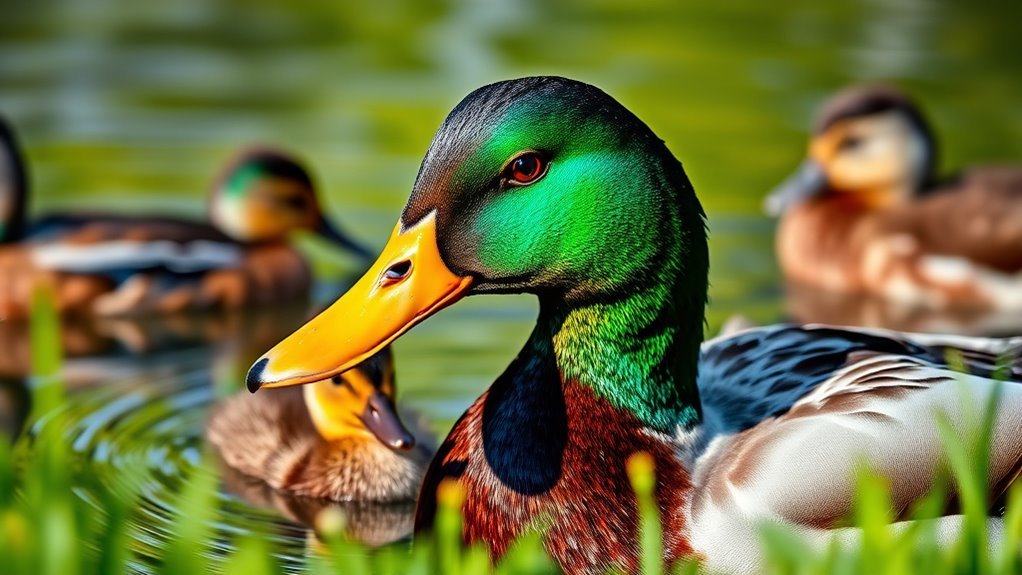
The Mallard is a well-known waterfowl admired by many people. Its bright green head and unique feathers are striking.
During mating season, male Mallards show interesting behaviors, using bold tactics to attract females. This species migrates long distances to find good breeding areas.
As you observe them moving smoothly over the water, remember that these behaviors help them survive and thrive.
Whether you watch birds as a hobby or are simply interested, learning about the Mallard's life cycle can deepen your appreciation for this bird and strengthen your bond with nature.
The Tufted Duck: A Stylish Swimmer
The Tufted Duck has a unique tuft of feathers on the back of its head. This feature makes it an appealing sight for birdwatchers.
These ducks live in freshwater lakes and reservoirs. They search for aquatic plants and small invertebrates to eat. Their black and white feathers make them stand out in the water.
Tufted Ducks dive and forage, displaying agile swimming skills. They also partake in courtship displays.
Their adaptability to different habitats makes them common in British wetlands. Birdwatchers and nature enthusiasts enjoy watching these stylish birds in their natural surroundings.
Interacting with Tufted Ducks deepens your appreciation for nature.
The Pochard: The Elegant Diver
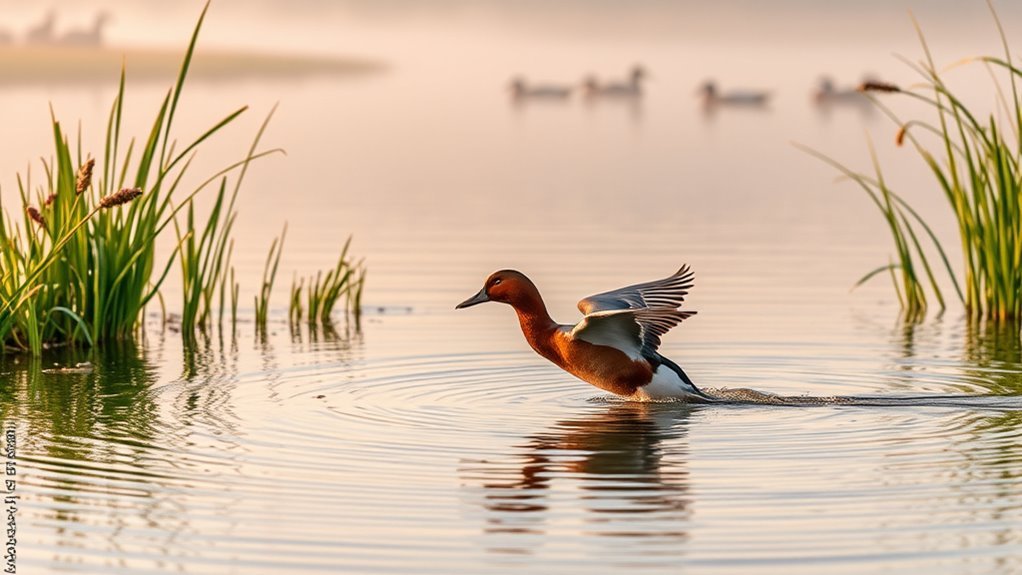
Pochards are distinct ducks with a sloping profile and eye-catching feathers. They thrive in various habitats, including freshwater lakes and marshy wetlands.
These ducks often nest among reeds and are adaptable to both shallow and deep waters, which is important for foraging.
Pochards mainly eat aquatic plants, seeds, and small invertebrates. This diverse diet helps them thrive in different environments.
As winter arrives, many pochards migrate to warmer areas, showing their ability to cope with seasonal changes.
The Gadwall: The Subtle Beauty
Gadwalls are beautiful British ducks known for their elegant appearance and strong nature. Their feathers have unique patterns that show the beauty of nature.
Gadwalls prefer shallow freshwater areas like wetlands and ponds, which provide food such as plants and small animals.
These ducks form strong pair bonds and often return to the same nesting sites each year. The female builds a nest concealed by plants to protect it from predators.
Recognizing gadwalls' habitat needs can enhance your appreciation for their place in the ecosystem. By valuing these aspects, you join a community that celebrates the simple beauty of British wildlife.
The Wigeon: The Whistling Duck
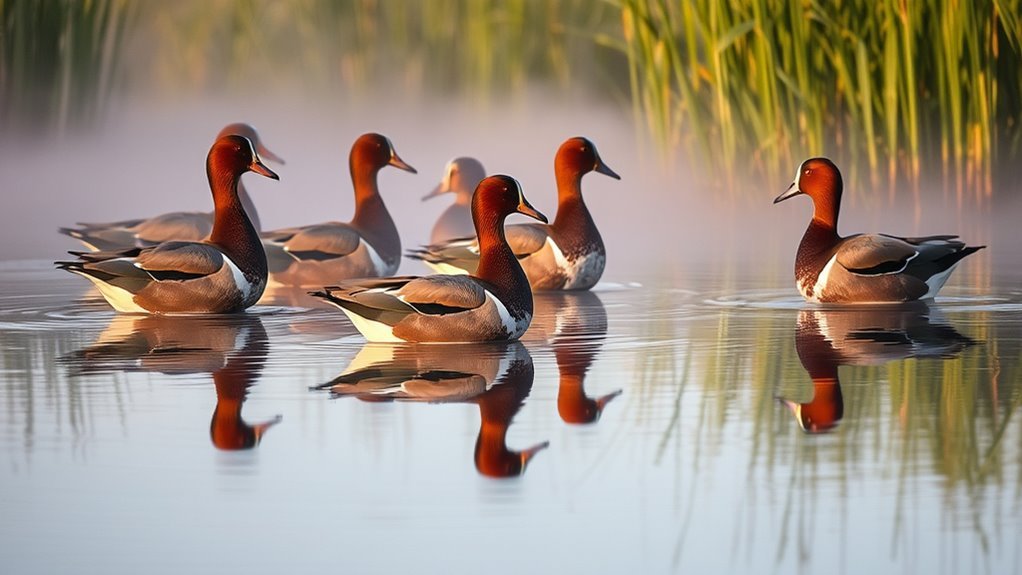
The wigeon is a notable duck species found in Britain. It's recognized for its unique whistling calls and colorful feathers. Wigeons prefer habitats like wetlands, marshes, and estuaries where food is abundant.
They feed on grasses and sedges, often tipping their bodies in water to reach submerged plants.
Wigeons are social birds and often gather in large flocks, especially during migration. Their calls help them communicate with each other.
During courtship, males display their bright colors to attract females, highlighting their social interactions. Learning about wigeon behavior can deepen your appreciation for these fascinating ducks.
The Mandarin Duck: A Splash of Color
The Mandarin duck is known for its bright colors and unique look. Its vibrant feathers attract both birdwatchers and casual observers. You can find Mandarin ducks in wooded lakes and ponds throughout the UK.
When you observe them, notice their interesting behavior. Male ducks display colorful feathers to attract females. Both male and female ducks swim in distinctive patterns during courtship.
- Mandarin ducks are playful in social interactions.
- They sleep in trees at night.
- Their diet includes aquatic plants and insects.
- They thrive in both water and on land.
Seeing a Mandarin duck is always a delightful experience!
Frequently Asked Questions
What Habitats Do British Duck Species Prefer for Nesting?
British duck species usually choose wetlands, rivers, and marshes for nesting. They need areas with dense vegetation for safety and a close water source. This environment helps their young grow up healthy and protected.
Are British Duck Species Migratory or Resident?
British duck species have different migration patterns. Some ducks migrate and change habitats with the seasons. Other ducks stay in the same area year-round. Learning about these behaviors helps you understand how adaptable ducks are and the environments they live in. This knowledge can enhance your appreciation for these birds and their roles in nature.
How Can I Identify Male and Female Ducks?
To identify male and female ducks, look at their physical traits. Males usually have brighter feathers. Observe their behavior as well; males often show more courtship displays, while females tend to be more nurturing and careful. This simple method helps you differentiate between the sexes in ducks effectively.
What Is the Best Time to Observe Ducks in the Wild?
The best times to observe ducks in the wild are during spring and autumn. These seasons bring many ducks as they engage in mating and migration. Visit wetlands, lakes, and rivers to see a variety of duck species. These locations attract ducks and provide great opportunities for observation. Enjoy the experience of wildlife watching!
Are Any British Duck Species Endangered or Threatened?
Some British duck species are endangered. These ducks need help to survive. Conservation efforts are important to protect their habitats and increase their numbers. You can join local programs to support these ducks and enjoy watching them thrive.

Hello, I’m Emily Price, the founder of Birds Affection. As a passionate bird enthusiast and spiritual seeker, I’ve always been fascinated by the symbolic meanings and mystical connections between birds and our lives. On this website, I share my knowledge and insights on the spiritual significance of various bird species, exploring their roles as messengers, guides, and teachers. Through my writing, I aim to inspire and educate others on the profound wisdom and beauty that birds bring to our world. Join me on this journey as we delve into the enchanting realm of bird symbolism and discover the hidden meanings behind these magnificent creatures.