
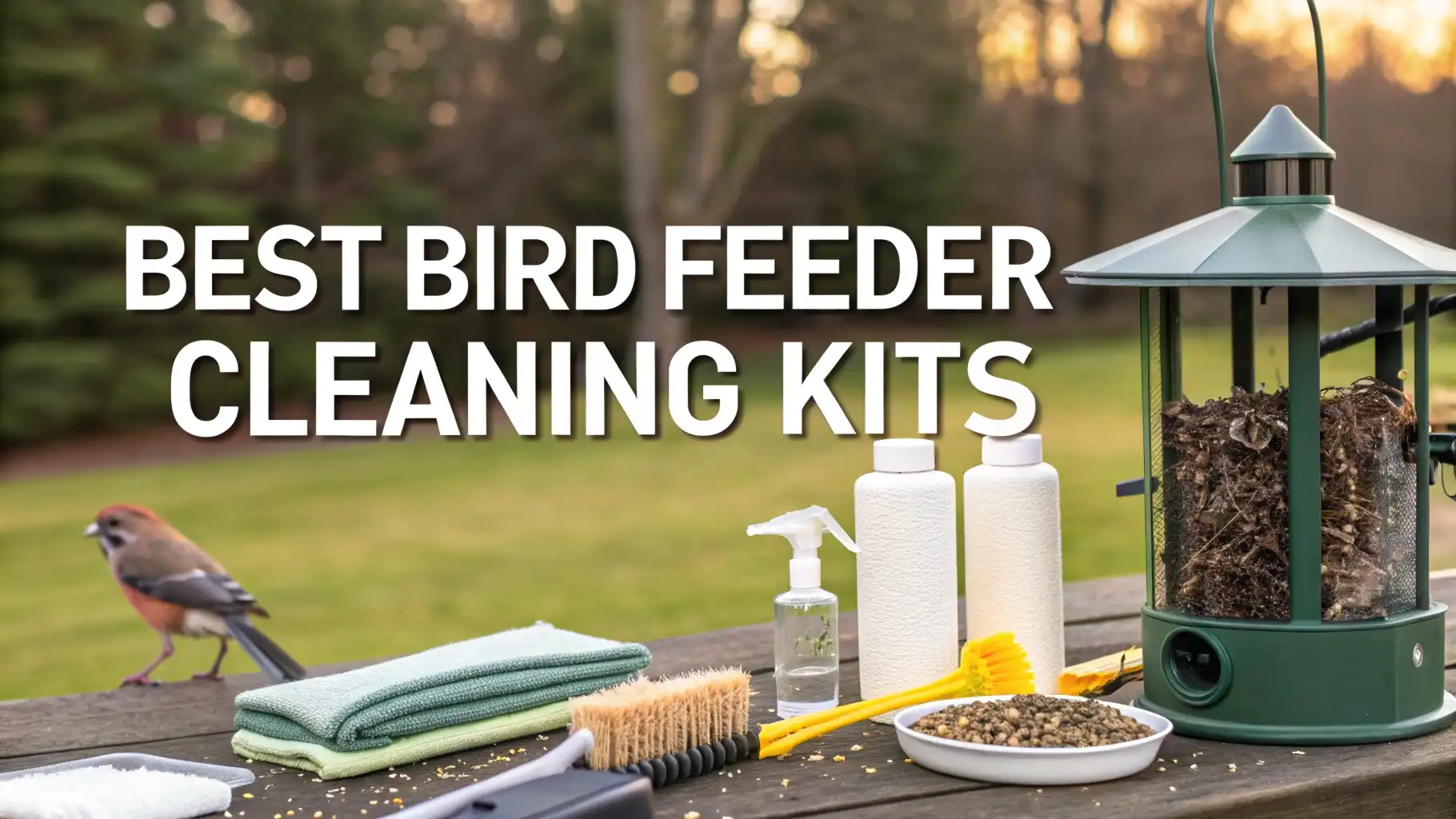
9 Best Bird Feeder Cleaning Kits for 2026 on Amazon
A clean bird feeder brings more birds to your yard. A dirty feeder can spread germs fast. Old seed dust, sticky sugar water, and wet clumps can build up in days. That build up can also block ports and drain holes. Then birds leave.
A good cleaning kit solves this problem. It gives you the right brush sizes. It helps you reach tight corners. It lets you scrub fast, rinse well, and refill sooner.
In this guide, I share nine bird feeder cleaning kits and brush sets that are easy to use and popular on Amazon in 2026. I also explain what to look for so you buy the right kit the first time.
Key takeaways
- Match the brush to the feeder type. A tube feeder needs a long bottle brush. A hummingbird feeder needs tiny port brushes. A tray feeder needs a wider scrub brush. The right match saves time and gives better results.
- Use simple, safe cleaning steps. You can wash with warm water and mild soap. You can also soak with a 1 part bleach to 9 parts water mix for many seed feeders, then rinse well and air dry. Vinegar mixes also help in many cases. Use gloves and rinse until there is no smell.
- Pick bristles that clean but do not scratch. Many kits use nylon bristles. Nylon can scrub well and still feel gentle on plastic and glass. This matters because scratches can hold grime.
- Choose a kit with small detail tools. Feeder ports, threads, and bee guard gaps trap buildup. A kit with mini brushes or a sponge mop makes those spots easy.
- Plan to clean often, not once in a while. A quick clean every week is easier than a deep clean every month. A kit that stores well and feels easy will help you stay consistent.
- Drying matters as much as scrubbing. A feeder that stays wet can grow mold faster. After you rinse, let parts air dry fully before you add seed or nectar.
Songbird Essentials Bird Feeder Brush SE605

This double ended brush is a smart choice if you own more than one feeder type. One end reaches into longer spaces. The other end works for tighter areas and ports. Many people like this style because it keeps the job simple. You hold one tool and you switch ends as you move around the feeder.
I also like this pick because it supports a steady cleaning habit. You can do a quick scrub in minutes. You can also do a deeper clean on weekends. The handle length feels useful for tube feeders, and the smaller end helps with threads and small openings. For many backyards, this is a strong first brush to buy.
Pros
Strong reach for tube feeder interiors
Two brush sizes in one tool
Simple storage since it is one piece
Cons
May feel too basic if you want a full multi brush kit
One brush may not fit every micro port size
Songbird Essentials Port and Bee Guard Brush SE606

Small ports hold the mess that you can not see. This is where seed dust, nectar film, and pollen can sit. A dedicated port brush helps because it targets the exact area where birds eat. That keeps birds safer and it keeps ports open.
This brush works well if you have feeders with bee guards or small drinking holes. You can also use it on some ant moat parts and tight plastic seams. I like to pair a detail brush like this with a larger bottle brush. That combo covers almost every cleaning need for a typical feeder setup.
Pros
Great for tiny openings and feeder ports
Helps remove hidden buildup that blocks flow
Good add on tool for existing brush sets
Cons
Too small to clean full feeder bodies alone
You may still need a long brush for tube interiors
Birdscare Best 1 Nectar Feeder Cleaning Brush

Nectar feeders get sticky fast. Sugar water leaves a film. Warm weather speeds up that film and can cause cloudy residue. This nectar brush is built for that exact job. It fits into small nectar feeder spaces and helps you scrub without using harsh force.
I like this option for people who keep hummingbird feeders up for long seasons. A dedicated nectar brush makes the weekly routine easier. You can clean fast, rinse well, and refill with less stress. It also helps you avoid using random kitchen tools that may carry soap smells or grease.
Pros
Made for nectar feeder shapes and small spaces
Helps remove sugar film faster than rinsing alone
Easy to rinse clean after use
Cons
Not ideal for large seed feeders
May not reach the full depth of long tube feeders
Hiware Straw Cleaner Brush Set 8 Piece

This set is a flexible solution if you want many brush sizes in one pack. These brushes are often used for straws and tubes, but the sizes also work well for feeder ports and narrow channels. That makes them useful for hummingbird feeder holes, small drain paths, and thin plastic tubes.
I also like this set if you want backup brushes. You can keep one outside in a small bin. You can keep another in the garage. That keeps your bird cleaning tools separate from kitchen tools, which is a good hygiene habit. The variety is the main win here.
Pros
Multiple sizes for different feeder holes
Good for thin tubes and small channels
Useful as backups across seasons
Cons
Not a full length bottle brush for big tube feeders
Some feeders need a stiffer brush for heavy buildup
KINGSEMTM 12 Piece Straw Cleaner Brush Kit

If you want more sizes than an 8 pack set, this kit can be a nice step up. A mixed diameter kit helps when you own different feeder brands. Some hummingbird feeders have tiny ports. Some have wider flower openings. Some have long channels inside the base. A multi size kit gives you more chances to find the perfect fit.
This set also works well for quick spot cleaning. You can scrub one problem area without taking the whole feeder apart. That said, you still need to do full clean cycles on a schedule. A detail kit like this works best as part of a routine, not as a replacement for deep cleaning.
Pros
More size options for a better fit
Helps clean tight channels and drain holes
Good value if you want many brushes at once
Cons
May feel like too many small pieces to store
Still needs a larger brush for full tube cleaning
Diamond Shine 17 Piece Nylon Mini Cleaning Brush Set

This kit focuses on very small cleaning work. It gives you many mini brushes that can reach tricky feeder parts. Think of the threads where the base screws on. Think of the seam where nectar collects. Think of the corners inside small plastic trays.
I like this set for people who notice mold spots early and want to remove them before they spread. A mini brush lets you scrub a tiny area with control. It also helps if your feeder has textured plastic that holds grime. The key is to rinse well after scrubbing so no loose debris stays inside.
Pros
High detail control for small dirty areas
Many brushes means you can dedicate some to nectar only
Good for threads and seams that trap residue
Cons
Not the best for large inner walls of big feeders
Small brushes can wear faster with heavy scrubbing
Perthlin 62 Piece Hummingbird Feeder Cleaning Brush Set

If you want a big kit with many small brushes, this one stands out. A large count kit is useful if you clean often and you want fresh brushes ready. It is also useful if you own several feeders and you rotate them. You can keep one set of brushes for each feeder type.
Many hummingbird feeder owners like having lots of small brushes because ports need frequent cleaning. Sugar water can spoil quickly, especially in heat. With a large kit, you can clean daily during peak season without worrying about running out of clean tools. The tradeoff is storage. You need a small container to keep it tidy.
Pros
Large quantity for frequent cleaning cycles
Helps with hummingbird port cleaning and small tubes
Great for multi feeder homes
Cons
Large kits can feel messy without a storage plan
Not focused on long tube feeder interiors
JCs Wildlife Bird Feeder Cleaner 16 oz Spray

Brushes remove stuck debris. A cleaner spray helps remove stains and odor. This spray is made for bird feeder cleaning tasks, and it can be useful for many feeder materials. A spray also helps when you do not want to soak a large feeder in a bucket.
I like sprays for quick resets. You spray, wait a bit, scrub, then rinse. This can help break down seed residue lines and sticky spots. It is also helpful for bird baths and feeder trays that get grimy. The key is simple. You still need a good rinse. Birds should never taste cleaner residue.
Pros
Fast application with a spray bottle
Helps lift stains and residue before scrubbing
Useful beyond feeders like baths and trays
Cons
You still need brushes for ports and tight holes
Rinsing takes time because you must rinse fully
Microbe Lift Soy Based Bird Feeder and Bird Bath Cleaner Spray 32 oz

If you want a larger bottle, this cleaner is a popular style for broader outdoor cleaning. A 32 oz size can last longer if you clean multiple feeders and bird baths. It can help reduce odor and loosen grime so your brush work goes faster.
I like the larger size for families who feed birds year round. Winter brings wet seed clumps. Summer brings nectar film. Spring brings pollen. A larger cleaner bottle supports those seasonal changes. Pair it with a long bottle brush and a port brush, and you have a simple full system.
Pros
Larger size for frequent cleaning
Helps loosen grime and reduce odor
Good for feeder plus bath routines
Cons
Bulky bottle takes more storage space
Still needs careful rinsing after use
What to look for in a bird feeder cleaning kit
A good kit fits your feeder. A tube feeder needs a long brush that reaches the bottom. A platform feeder needs a wider scrubber that sweeps corners. A hummingbird feeder needs a tiny brush for ports and flower parts. You should also check bristle material. Nylon bristles are common because they scrub well and feel gentle.
You should also think about handle comfort. A handle that slips slows you down. A looped end helps storage because you can hang the tool. If you clean outside, you also want a kit you can rinse fast. A kit that dries fast is also helpful because wet tools can smell.
Finally, think about how you will store it. If you can not store it easily, you will stop using it. A small bin in the garage works well. A hook near the hose works well too.
Simple cleaning routine that works for most feeders
You can keep this routine easy and safe. First, you empty old seed or nectar. Next, you rinse with warm water. Then you scrub with the right brush. After that, you can soak if you need extra disinfecting.
Many people use a diluted bleach solution for many seed feeder types, and they rinse very well after. Many people use vinegar water mixes for regular cleaning. Then you rinse again until there is no smell. Last, you air dry fully before refilling.
This routine works because it removes debris and it reduces germs. It also protects feeder parts. A feeder that stays clean lasts longer. Birds also trust it more because food flows well and ports stay open.
FAQs
How often should I clean a bird feeder?
You should clean most seed feeders at least every one to two weeks. You should clean hummingbird feeders more often, especially in warm weather. If nectar looks cloudy, you should clean right away.
Can I use vinegar to clean a bird feeder?
Yes, many people use vinegar and water for regular cleaning. You still need to scrub and rinse well. Vinegar can help with light film and mild buildup.
Can I use bleach to disinfect a bird feeder?
Many people use a diluted bleach and water mix to disinfect feeders, then rinse very well and air dry fully. You should follow safe handling. You should wear gloves. You should keep bleach away from children and pets.
Do I need a special brush for hummingbird feeder ports?
Yes, a small port brush helps a lot. Ports are tiny and they trap sugar film. A mini brush cleans better than rinsing alone.
Can I put bird feeders in the dishwasher?
Some feeders may tolerate dishwasher heat, but many do not. Heat can warp plastic parts. Small parts can also get lost. Hand washing with brushes is often the safer choice.
What is the easiest way to keep feeders clean all season?
You should keep two feeders and rotate them. You clean one while the other is in use. You also keep a brush kit stored near your cleaning area so you can clean fast.

Hello, I’m Emily Price, the founder of Birds Affection. As a passionate bird enthusiast and spiritual seeker, I’ve always been fascinated by the symbolic meanings and mystical connections between birds and our lives. On this website, I share my knowledge and insights on the spiritual significance of various bird species, exploring their roles as messengers, guides, and teachers. Through my writing, I aim to inspire and educate others on the profound wisdom and beauty that birds bring to our world. Join me on this journey as we delve into the enchanting realm of bird symbolism and discover the hidden meanings behind these magnificent creatures.
