
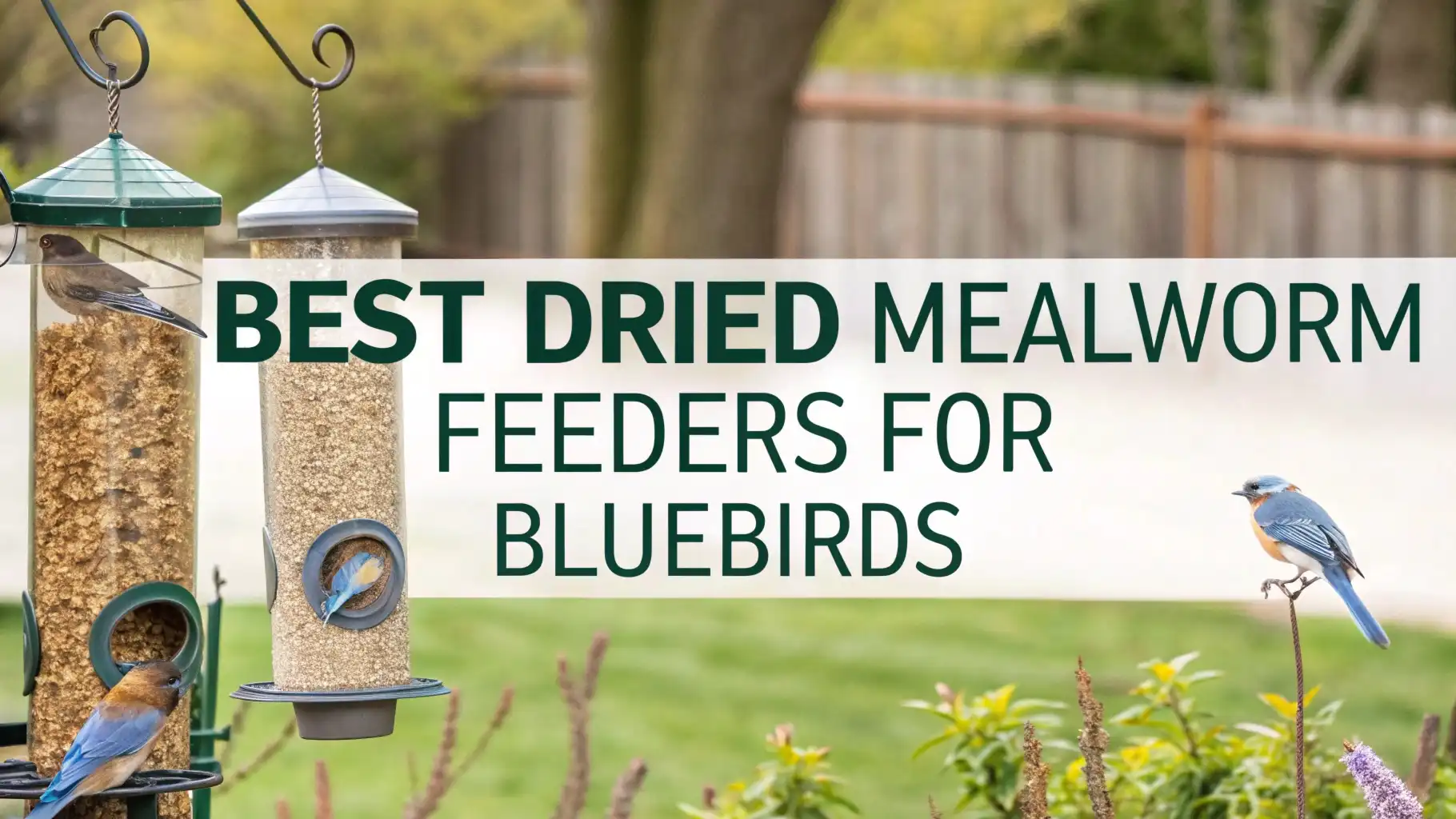
8 Best Dried Mealworm Feeders for Bluebirds in 2026
Bluebirds bring joy to any backyard with their vibrant colors and cheerful songs. These beautiful birds need proper nutrition to thrive, and dried mealworms are one of their favorite foods.
Finding the right feeder makes a huge difference in attracting these stunning visitors to your yard. Many bird enthusiasts struggle with choosing the perfect feeder that keeps mealworms fresh, deters larger birds, and withstands various weather conditions.
This comprehensive guide explores the seven best dried mealworm feeders specifically designed for bluebirds available in 2026. You will discover feeders that solve common problems like squirrel raids, starling invasions, and weather damage.
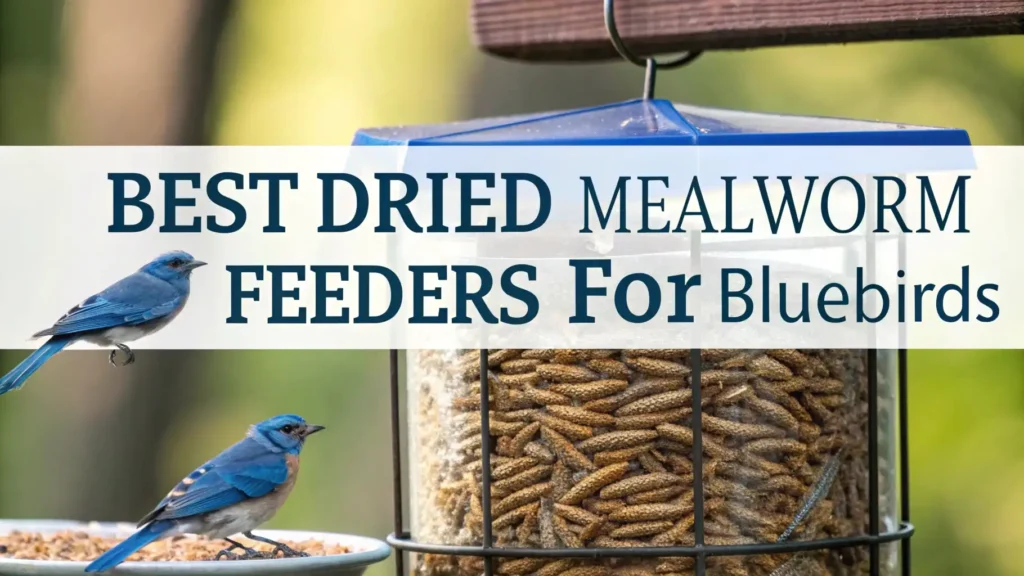
Key Takeaways
- Cage design matters most because it keeps larger birds like starlings and grackles away while allowing bluebirds easy access through 1.5-inch entrance holes
- Metal construction outperforms plastic since it resists chewing from squirrels, lasts through multiple seasons, and maintains structural integrity in harsh weather conditions
- Platform feeders with domes provide excellent visibility which helps bluebirds feel safe while feeding and protects dried mealworms from rain and snow
- Feeding frequency should be limited to once or twice daily with approximately 15 mealworms per bluebird to prevent calcium depletion and maintain healthy dietary balance
- Easy cleaning features save time because removable trays and wide openings allow quick maintenance, reducing bacteria buildup and keeping bluebirds healthy
- Window mounted feeders offer closeup viewing while enclosed designs with proper drainage ensure mealworms stay dry and fresh for your feathered friends
Kingsyard Bluebird Cage Feeder with Tray

The Kingsyard Bluebird Cage Feeder stands out as a top choice for serious bird enthusiasts. This all metal construction ensures long lasting durability that withstands squirrel attacks and harsh weather. The protective cage design features carefully spaced bars that allow bluebirds through while blocking larger aggressive birds.
The integrated feeding tray catches dropped mealworms and provides a stable surface for birds to perch. Easy refilling happens through a top opening that takes just seconds to access. The powder coated finish resists rust and maintains its attractive blue color through multiple seasons. This feeder holds approximately two cups of dried mealworms, reducing the frequency of refills.
Weather resistant construction keeps mealworms dry during light rain. The raised tray design promotes drainage and prevents water accumulation. Cleaning takes minimal effort thanks to removable components that separate for thorough washing. The hanging chain included with purchase allows flexible placement options in your yard.
Pros:
• All metal construction prevents squirrel damage
• Cage design excludes starlings and grackles effectively
• Large capacity reduces daily refilling needs
• Weatherproof coating resists rust and fading
• Easy to clean with removable tray
Cons:
• Higher price point than basic feeders
• Requires some assembly upon arrival
• Heavier weight needs secure hanging point
Perky Pet Dried Mealworm Feeder with Flexports

The Perky Pet feeder brings innovative flexport technology to mealworm feeding. These flexible rubber ports adapt to different bird sizes while keeping mealworms contained inside the tube. Bluebirds quickly learn to extract worms through the ports without creating mess underneath the feeder.
This budget friendly option works well for beginners testing bluebird feeding. The clear tube design lets you monitor mealworm levels at a glance. Simple twist off lid makes refilling quick and convenient for busy bird lovers. The compact size fits well in smaller yards or balcony spaces.
Durable plastic construction handles regular outdoor exposure. Drainage holes at the bottom prevent moisture buildup that could spoil dried mealworms. UV resistant materials maintain clarity so you can always see inside. The built in hanging loop provides easy mounting from tree branches or shepherd hooks.
Pros:
• Affordable entry level pricing
• Flexports reduce mealworm spillage
• Clear tube shows food levels
• Lightweight and easy to hang
• Good starter feeder for new bird watchers
Cons:
• Plastic construction less durable than metal
• Small capacity requires frequent refilling
• May allow access to smaller aggressive birds
• Not fully weatherproof in heavy rain
Kingsyard Platform Feeder with Adjustable Dome

Platform feeders offer bluebirds their preferred open feeding style. This Kingsyard model features a large metal mesh tray that provides excellent drainage and visibility. The adjustable dome top creates a protective barrier against rain while allowing easy bird access from multiple angles.
The dome height adjusts to control which birds can reach the feeding area. Set it lower to exclude larger birds while giving bluebirds ample headroom. This flexibility makes the feeder adaptable to your specific backyard bird population. The black powder coated finish blends naturally with outdoor settings.
Generous tray dimensions accommodate multiple birds feeding simultaneously. The mesh bottom ensures water drains quickly after rain showers. Easy cleaning happens by removing the tray for washing in your sink. Sturdy construction handles wind without swaying excessively.
Pros:
• Adjustable dome provides customizable protection
• Large feeding area serves multiple birds
• Excellent drainage prevents soggy mealworms
• Versatile design works for seeds or mealworms
• Strong construction handles outdoor elements
Cons:
• Open design exposes food to all bird species
• Requires more frequent cleaning than enclosed feeders
• Dome adjustment takes practice to optimize
• May need regular refilling due to visibility
JCS Wildlife Ultimate Enclosed Bluebird Feeder

The JCS Wildlife feeder represents premium quality for dedicated bluebird enthusiasts. This completely enclosed design prevents starlings and bully birds from accessing the mealworms inside. The entry holes measure exactly 1.5 inches, perfectly sized for bluebirds while excluding European starlings.
American craftsmanship shines through in every detail of this feeder. Holds two full cups of dried mealworms for extended feeding without constant refills. The clear viewing windows let you monitor food levels and observe feeding activity. Solid wood construction provides natural appeal and exceptional durability.
Perches positioned near entrance holes give bluebirds comfortable feeding positions. The hinged roof opens wide for easy refilling and cleaning access. Ventilation slots keep interior air circulating to prevent moisture and mold growth. This feeder works excellently near bluebird nest boxes during breeding season.
Pros:
• Starling proof design protects mealworms effectively
• Premium construction ensures years of use
• Two cup capacity reduces maintenance time
• Made in USA with quality materials
• Clear windows allow bird watching
Cons:
• Premium pricing reflects quality construction
• Heavier weight requires sturdy mounting
• May take time for birds to discover entrance
• Regular cleaning needed for interior
Erva Starling Proof Bluebird Feeder

Erva delivers professional grade feeders trusted by bird sanctuaries. This model features barrier guard technology that physically prevents starlings from reaching the glass mealworm cup. The unique design allows bluebirds to access food while keeping aggressive species at bay.
Beautiful blue powder coat finish provides both protection and aesthetic appeal. Glass feeding cup removes easily for quick cleaning and refilling. Made entirely in the USA with premium materials that justify the investment. The barrier spacing has been precisely calculated for maximum effectiveness.
Durable metal construction stands up to years of outdoor exposure. The glass cup holds a generous portion of dried mealworms. Drainage holes in the cup base prevent water accumulation during rainy weather. This feeder mounts securely to poles or posts for stable positioning.
Pros:
• Highly effective starling exclusion system
• Premium American made construction
• Glass cup is dishwasher safe
• Attractive design enhances yard appearance
• Long lasting durability
Cons:
• Higher investment required
• Pole mount only, not for hanging
• Glass cup needs careful handling
• May need mounting hardware purchased separately
Kingsyard Upgraded Metal Tube Feeder

This upgraded tube feeder offers excellent value for budget conscious bird lovers. The widened perch design gives bluebirds comfortable landing and feeding positions. Metal mesh construction resists squirrel chewing while allowing birds easy access to dried mealworms inside.
Compact vertical design saves space in smaller yards. Chew proof metal protects your investment from destructive squirrels and chipmunks. The top unscrews easily for quick refilling without tools. Blue finish helps attract bluebirds by providing visual appeal.
Multiple feeding ports allow several birds to eat simultaneously. The tube holds enough mealworms for multiple days of feeding. Weather resistant construction maintains functionality through rain and snow. Lightweight design makes repositioning simple when needed.
Pros:
• Affordable price point
• Squirrel resistant metal construction
• Wide perches accommodate bluebirds comfortably
• Easy to refill and clean
• Space saving vertical design
Cons:
• Smaller capacity than tray feeders
• Tube style may take adjustment period for birds
• Not fully enclosed against larger birds
• Perches may be small for larger bluebird species
Jacobi Jayne Pearl Dome Feeder

The Pearl Feeder combines British design excellence with bluebird feeding functionality. This unique dome covered platform creates an inviting feeding station that protects mealworms from weather. The transparent dome allows birds to see food while providing overhead protection.
Small entrance openings around the dome base control which birds can access the platform. Bluebirds easily navigate the openings while larger aggressive species find entry difficult. The platform tray lifts out completely for thorough cleaning. High quality construction ensures this feeder lasts multiple seasons.
The dome height provides ample space for bluebirds to move comfortably. Multiple birds can feed together without crowding. Hanging design allows flexible placement anywhere in your yard. The green and tan color scheme blends naturally with outdoor surroundings.
Pros:
• Excellent weather protection for mealworms
• Attractive design enhances garden aesthetics
• Multiple bird feeding capacity
• Easy to clean platform
• Durable construction
Cons:
• Premium pricing
• May allow smaller aggressive birds
• Requires hanging space
• Dome can accumulate debris on top
Nature Anywhere Window Bird Feeder

Window feeders bring bluebird watching directly to your home. This clear acrylic design provides unobstructed viewing from inside. Enhanced suction cups create a secure grip that holds firmly to glass surfaces. Perfect for apartments or homes without yard space.
The transparent design lets bluebirds see through the feeder, reducing fear. Easy access tray slides out for simple filling and cleaning. Weather proof construction protects against rain, snow, and temperature changes. The generous tray size accommodates dried mealworms and other foods.
Close up viewing lets you observe bluebird behavior in detail. Children especially enjoy watching birds just inches away. Suction cups reattach easily after cleaning without losing grip strength. The feeder works on any smooth glass surface including patio doors.
Pros:
• Incredible closeup bird viewing experience
• No yard space required
• Easy installation with suction cups
• Clear view from both sides
• Simple to clean and maintain
Cons:
• Limited capacity compared to hanging feeders
• Requires regular window cleaning for best viewing
• May need periodic suction cup repositioning
• Can attract unwanted bird species equally
Choosing the Right Location for Your Feeder
Feeder placement dramatically affects your success in attracting bluebirds. Position feeders in open areas where birds can easily spot predators. Bluebirds avoid heavily wooded locations where cats and hawks could hide. A clearing with scattered trees nearby provides the ideal balance of safety and accessibility.
Height matters significantly for bluebird feeders. Mount or hang feeders between 4 to 6 feet above ground level. This height range matches bluebird comfort zones and makes maintenance easy for you. Avoid placing feeders too close to dense shrubs where predators lurk.
Distance from nest boxes requires careful consideration. During breeding season, position feeders 25 to 50 feet away from active nest boxes. This separation prevents overcrowding and reduces stress on nesting pairs. Closer placement may attract unwanted attention from predators or competing birds.
Southern or eastern exposure helps in colder climates. Morning sun warms the feeding area and encourages early bird activity. Avoid locations with strong afternoon sun in hot climates, as this can spoil dried mealworms quickly. Some overhead cover protects against weather while maintaining visibility.
Maintaining Your Mealworm Feeder
Regular cleaning prevents disease transmission between birds. Wash feeders every two weeks minimum using hot soapy water. Rinse thoroughly to remove all soap residue before refilling. Allow feeders to dry completely to prevent mold growth on dried mealworms.
Inspect feeders weekly for damage or wear. Check for loose parts, rust spots, or cracks that could worsen over time. Replace damaged components promptly to maintain feeder effectiveness. Metal feeders typically require less frequent replacement than plastic versions.
Store extra dried mealworms properly to maintain freshness. Keep them in sealed containers in cool, dry locations. Refrigeration extends shelf life significantly. Discard any mealworms that develop off odors or show signs of mold.
Monitor mealworm consumption patterns to adjust filling schedules. Remove uneaten mealworms after a few days to prevent spoilage. Fresh offerings attract more birds than stale food. During high traffic periods, check feeders twice daily to ensure adequate supply.
Dried vs Live Mealworms for Bluebirds
Dried mealworms offer convenience and longer storage life. They stay fresh for months when stored correctly and require no special care. Most bluebirds readily accept dried mealworms once they recognize them as food. The lightweight nature makes shipping and handling simple.
Live mealworms provide higher nutritional value and moisture content. Birds find them more attractive due to movement. However, live worms require refrigeration and regular feeding to stay alive. The higher cost and maintenance make them less practical for casual feeders.
Soaking dried mealworms before offering rehydrates them partially. This practice helps during hot weather or when feeding nestlings. Soak worms for 10 to 15 minutes in water before placing in feeders. Drain excess water to prevent soggy conditions in the feeder.
Many experienced bluebird enthusiasts use both types strategically. Dried mealworms work well for daily feeding while live worms serve as special treats during breeding season. This combination provides nutritional variety without excessive cost or effort.
Seasonal Feeding Considerations
Spring brings peak mealworm demand as bluebirds raise their young. Increase offerings during nesting season from March through July in most regions. Parent birds make frequent trips to feeders, sometimes dozens of times daily. Consistent supply helps ensure nestling survival and fledgling success.
Summer feeding continues as second broods hatch and fledglings learn to feed independently. Natural insect abundance increases during summer months. Maintain your feeder presence to support birds during temporary food shortages caused by weather.
Fall feeding helps migrating bluebirds build fat reserves. Southern populations remain year round and benefit from continued feeding. Decrease quantity slightly as natural food sources become available. Monitor bird activity to adjust supply appropriately.
Winter feeding becomes critical in northern regions where bluebirds overwinter. Cold weather makes finding natural protein extremely difficult. Reliable feeders can mean the difference between survival and starvation for resident populations. Increase offerings during severe weather events.
Dealing with Unwanted Visitors
Starlings pose the biggest challenge at bluebird feeders. These aggressive birds consume mealworms rapidly and chase bluebirds away. Choose feeders with entrance holes smaller than 1.6 inches to physically exclude starlings. Enclosed designs work most effectively for starling control.
Squirrels attack feeders to reach high protein mealworms. Metal construction resists chewing better than plastic or wood. Baffles on poles prevent climbing access to hanging feeders. Position feeders away from jumping points like tree branches or structures.
House sparrows compete with bluebirds for food and nesting sites. These invasive birds quickly dominate feeders if allowed. Remove house sparrow nests from bluebird boxes promptly. Enclosed feeders with proper entrance sizing help manage sparrow problems.
Raccoons and cats threaten both feeders and birds. Secure feeders so nocturnal raiders cannot knock them down. Motion activated lights or sprinklers deter nighttime predators effectively. Never leave food on the ground overnight, as this attracts unwanted wildlife.
Frequently Asked Questions
How many dried mealworms should I feed bluebirds daily?
Offer approximately 15 mealworms per bluebird per day. Split this amount between morning and afternoon feedings. During nesting season when parents feed chicks, you can increase this amount. Monitor consumption and adjust based on how quickly birds empty your feeder. Overfeeding can create dependency, so maintain moderation.
Will bluebirds come to feeders year round?
Bluebirds visit feeders throughout the year in regions where they remain resident. Northern populations may migrate south in winter, reducing feeder traffic. Consistent feeding builds trust and encourages regular visits. Once established, bluebirds often return to reliable food sources across seasons. Year round feeding benefits populations most during harsh weather.
How long do dried mealworms stay fresh in feeders?
Dried mealworms remain fresh for several days in dry conditions. Remove and replace them after three to four days if uneaten. Moisture from rain or humidity causes faster spoilage. Store bulk mealworms in sealed containers in cool, dry places. Refrigeration extends shelf life up to one year for unopened packages.
Can I use the same feeder for seeds and mealworms?
Some platform feeders work well for both food types. However, dedicated mealworm feeders prevent waste and contamination. Mixing seeds and mealworms creates cleaning challenges. Birds often scatter seeds while searching for preferred mealworms. Separate feeders allow better control over offerings and easier maintenance.
What other birds eat dried mealworms besides bluebirds?
Many insect eating birds enjoy dried mealworms including wrens, chickadees, nuthatches, and robins. Woodpeckers, cardinals, and titmice also consume them readily. This variety adds interest to your feeding station. Choose feeder designs that accommodate your preferred species while managing less desirable visitors.
How do I train bluebirds to use a new feeder?
Place new feeders near locations where bluebirds already visit. Add a few mealworms to visible areas like fence posts initially. Gradually move these closer to the new feeder over several days. Patience helps as birds need time to discover and trust new food sources. Once one bird uses the feeder, others typically follow quickly.

Hello, I’m Emily Price, the founder of Birds Affection. As a passionate bird enthusiast and spiritual seeker, I’ve always been fascinated by the symbolic meanings and mystical connections between birds and our lives. On this website, I share my knowledge and insights on the spiritual significance of various bird species, exploring their roles as messengers, guides, and teachers. Through my writing, I aim to inspire and educate others on the profound wisdom and beauty that birds bring to our world. Join me on this journey as we delve into the enchanting realm of bird symbolism and discover the hidden meanings behind these magnificent creatures.
