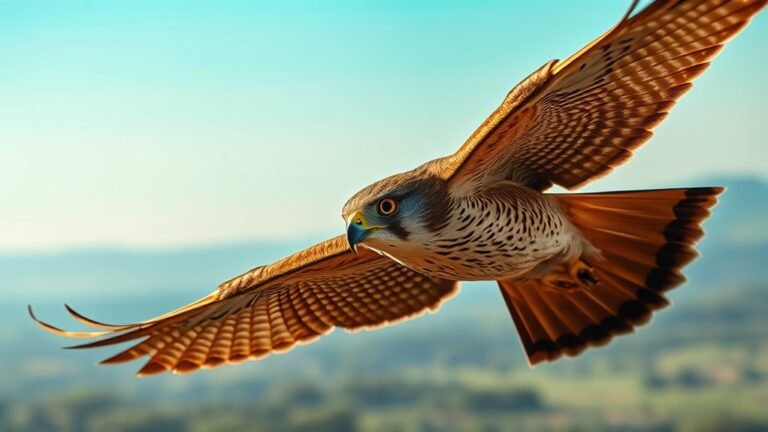
Exploring Bird Names and Their Meanings Explained
Bird names hold significant meaning. Each name provides insight into the bird's traits, habitat, or cultural significance. By looking closely at these names, we can learn about the history and ecology that influence them. For example, the "Bald Eagle" represents ideals of freedom and national pride. What other bird names tell stories about their species? This exploration leads to interesting connections and discoveries.
Key Takeaways
- Understanding bird names enhances knowledge of their biology, behavior, and ecological roles within their habitats.
- The etymology of bird names provides insights into language evolution and cultural significance.
- Cultural factors shape bird naming, reflecting societal views and regional symbols associated with birds.
- Notable birds symbolize various traits, such as independence in bald eagles and elegance in swans.
- Unique behaviors and attributes, like hummingbirds' agility and owls' nocturnal habits, enrich appreciation for avian life.
The Fascinating World of Bird Nomenclature
Understanding bird names helps us learn about their biology and behavior. Bird identification relies on scientific classification. Each name indicates specific traits. For example, the genus name shows evolutionary relationships. This classification gives insights into habitat and mating behaviors.
Recognizing bird names helps you connect with other enthusiasts and experts. Learning these terms increases your knowledge and strengthens your bond with nature. Exploring bird names leads to a deeper understanding and sense of belonging in ornithology.
Etymology of Common Bird Names
Bird names often appear simple, but their origins reveal fascinating histories. For example, "Robin" comes from the Old French word "robinet," showing how languages change over time.
The name "Sparrow" has roots in the Proto-Germanic word "sparwaz," highlighting the connections between different languages. By learning these origins, you gain a deeper appreciation for both the birds and the shared human experiences that influence our language.
Understanding bird name etymology enriches your connection with nature and enhances your conversations with fellow bird enthusiasts.
Cultural Significance in Bird Naming
Bird names hold cultural significance and reflect the societies that created them. These names serve as cultural symbols, illustrating regional differences and offering insight into historical backgrounds.
Many bird names are connected to mythology, where birds represent different deities or tell cosmic tales. Language influences also play a role, showing how cultures view bird life. Indigenous interpretations often relate birds to their natural surroundings and community values, adding depth to their meanings.
Furthermore, many bird names are linked to folklore, which reinforces community identity and shared stories. Understanding these aspects enhances our appreciation of how culture influences our views on birds.
The Majestic Bald Eagle: Symbol of Freedom
The bald eagle is a strong symbol of freedom in American culture. It represents independence and resilience. Its image reflects both the eagle's beauty and its status as a national emblem.
Throughout history, the bald eagle has symbolized courage and perseverance. These qualities are important in American identity. The eagle's ability to fly high represents the pursuit of liberty and untapped potential.
The Vibrant Blue Jay: Nature's Colorful Messenger
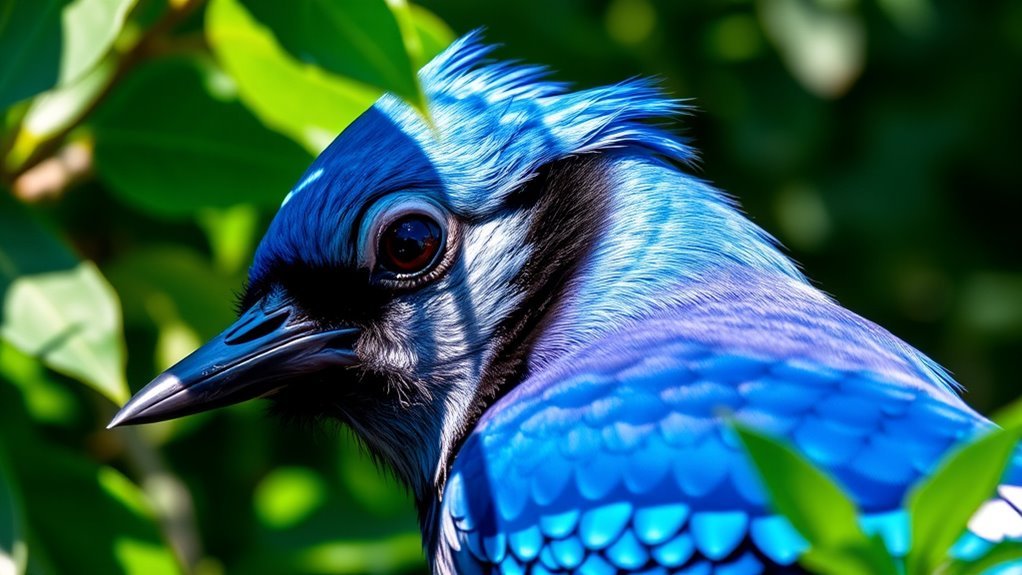
The blue jay is a vibrant bird that symbolizes communication and connection. Its striking colors catch the eye, but its behavior provides deeper insights into social interaction and teamwork among birds.
Blue jays are intelligent and can mimic sounds, showcasing their adaptability and communication skills. They represent clarity of thought and resourcefulness.
Their varied calls highlight the importance of communication within a community. Observing blue jays can enhance your understanding of nature's interconnectedness.
They remind you to express yourself openly and authentically. The blue jay truly stands out as nature's colorful messenger.
The Enigmatic American Robin
The American robin is an important bird in North America. It helps balance the ecosystem and reflects aspects of local culture.
During breeding season, robins exhibit clear behaviors. They forage for food and build nests with care. You can hear their distinct calls, which show territory claims or attract mates.
Robins migrate seasonally, travelling long distances to find better living conditions. This migration influences local insect populations and supports biodiversity.
Observing robin behavior helps you connect with nature's seasons and fosters a sense of belonging in your surroundings. By paying attention to these activities, you can deepen your understanding of the vital role the American robin plays in our ecosystem.
Woodpeckers: Nature's Percussive Artists
Woodpeckers drill into trees, creating rhythms that echo through their environments. This behavior helps them find food and make nests, which affects the forest ecology.
Each woodpecker species has its own tapping style, used for communication during mating and establishing territory. They live in various settings, from dense forests to city parks, and play a key role in maintaining biodiversity and forest health.
Learning about woodpecker behavior deepens our appreciation for these birds and their vital role in ecosystems.
The Graceful Swan: An Emblem of Elegance
Swans are elegant birds that glide smoothly over water. They show poise in their movements, often synchronizing with their partners during courtship. This behavior makes them symbols of love and fidelity. Swans form strong pair bonds, which represent loyalty and partnership.
Their beautiful white feathers symbolize purity and beauty in many cultures. The meaning of swans goes beyond their appearance; they remind us of transformation and inner strength.
Watching swan interactions can help you appreciate their physical beauty and understand the deeper significance they hold in life.
The Charismatic Hummingbird: Speed and Beauty
Swans represent elegance and loyalty, while hummingbirds embody speed and beauty. These unique birds are known for their impressive flight abilities.
They can hover in one spot with ease and move quickly between flowers. Hummingbirds beat their wings rapidly, which helps them maintain their energetic lifestyle. They primarily feed on nectar, which provides the energy they need.
Their feathers display vibrant colors, showcasing the beauty of nature. Watching their swift movements and shiny colors highlights the bond we've with our environment.
Owls: Nighttime Mystique and Wisdom
Owls are intriguing birds, known for their unique mix of mystery and wisdom. Their nighttime habits create a special symbolism that many find meaningful.
Here are common meanings associated with owls:
- Wisdom: Owls are often called "wise" birds, linked to knowledge.
- Intuition: They represent the journey into the unknown.
- Transition: Owls signify change in life.
- Protection: Many see them as guardians of the night.
- Mystery: They symbolize the secrets found in darkness.
Recognizing these meanings helps you appreciate owls in different cultures and in your own life. Embracing their mystique enriches your understanding of these remarkable creatures.
Conclusion: The Story Behind the Name
Bird names often have deep histories that reflect their traits and significance in different cultures. By exploring the origins of bird names, you can gain a better understanding of their meaning and importance.
Many names come from indigenous languages, connecting them to local stories and nature. Knowing these ties can help you appreciate birds more and feel connected to the natural world.
The names often represent qualities like beauty, strength, or cleverness. Learning about these names can deepen your relationship with birds, encouraging you to see them as valuable parts of our culture and environment.
Frequently Asked Questions
How Do Scientists Decide on Bird Names?
Scientists give names to birds by looking at their origins and meanings. They think about the history and culture related to each species. These factors help to connect different species with communities around the world. This naming process reflects our shared connection to nature.
Are There Any Rules for Bird Naming Conventions?
Bird naming conventions follow established rules that focus on clarity and cultural meaning. Scientists choose names that describe the bird's traits or behaviors. They aim for names that resonate with communities, helping bird lovers and conservationists feel connected. Using simple language helps make this information clear and engaging.
Why Do Some Birds Have Multiple Common Names?
Some birds have multiple common names because of differences in regions and culture. These names show local language and traditions. They help you connect with nature and build community among bird watchers.
Can Bird Names Change Over Time?
Yes, bird names can change over time. This happens because of changes in language and local variations. As cultures and languages develop, names evolve. These changes reflect new ideas and connections in different communities, which can deepen your understanding of bird diversity.
How Can I Contribute to Bird Naming Discussions?
To take part in bird naming discussions, you can share your suggestions for bird names online. You can also vote in community polls and connect with other bird lovers. Your thoughts can spark great conversations and help you feel more connected to others who share your passion for birds.

Hello, I’m Emily Price, the founder of Birds Affection. As a passionate bird enthusiast and spiritual seeker, I’ve always been fascinated by the symbolic meanings and mystical connections between birds and our lives. On this website, I share my knowledge and insights on the spiritual significance of various bird species, exploring their roles as messengers, guides, and teachers. Through my writing, I aim to inspire and educate others on the profound wisdom and beauty that birds bring to our world. Join me on this journey as we delve into the enchanting realm of bird symbolism and discover the hidden meanings behind these magnificent creatures.