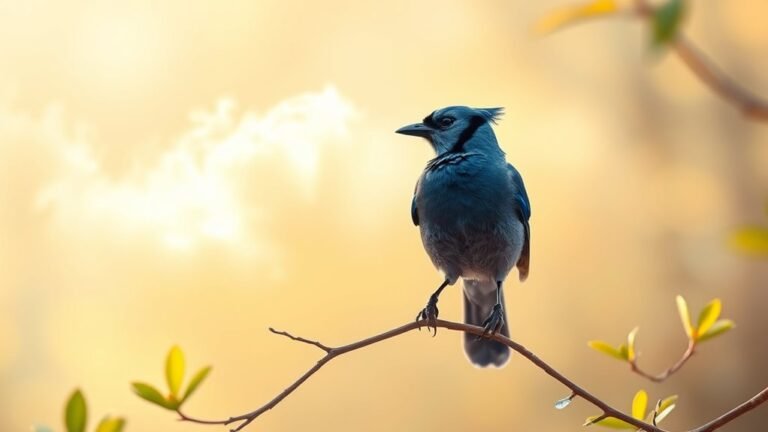
Sparrow Symbolism: What It Represents
Sparrows are small birds with powerful meanings. They represent joy, resilience, and community across many cultures. Their behaviors, such as flocking together and supporting one another, show their strong social bonds. Sparrows teach us about the value of cooperation and connection in our lives. Their presence reminds us to appreciate life's simple moments and to face challenges with hope. What can we learn from sparrows about building relationships and staying strong in tough times?
Key Takeaways
- Sparrows symbolize joy and resilience, representing the beauty in simple pleasures and the ability to overcome life's challenges.
- In different cultures, sparrows convey good luck, friendship, and a sense of belonging, fostering community spirit.
- They embody freedom and hope, using their cheerful songs to inspire optimism for future better days.
- Sparrows teach valuable lessons in humility, teamwork, and finding joy in everyday life's simple moments.
- As indicators of environmental health, sparrows highlight the interconnectedness of ecosystems and the importance of conservation efforts.
The Joy of Sparrows in Folklore

Sparrows are small birds commonly found in gardens and parks. They symbolize joy in many cultures and folklore. These birds represent the simple pleasures of life. In stories, sparrows show cheerfulness and resilience. They remind us to appreciate small moments.
In Eastern traditions, sparrows are considered good luck. In Western stories, they symbolize friendship. These views demonstrate how sparrows connect people across different cultures. They highlight shared values focused on joy.
Recognizing these themes gives us a sense of belonging. It fosters gratitude for life's little delights, helping us enjoy our daily routines more.
Symbolism of Freedom and Hope
In many cultures, the sparrow symbolizes freedom and hope. This small bird shows that even the least among us can rise above challenges.
As sparrows fly freely, they represent resilience and the idea that liberation is attainable, no matter the obstacles we face. Their cheerful songs express optimism and assure us that better days are ahead.
By reflecting on the sparrow's journey, you can draw motivation from its inspiring message: change is possible.
Just like sparrows in the sky, you can find your own path to freedom and renewed hope. They encourage you to face life with bravery and faith in a brighter future.
Sparrows and Community Spirit

Sparrows symbolize community spirit and connection. They gather in flocks, showing us the power of togetherness.
Unlike solitary birds, sparrows rely on social bonds for survival. Observing them reminds us of the importance of belonging and support in our lives.
Communities grow when people work together, just as sparrows protect each other from danger. Fostering community spirit enriches your life and those around you.
The Resilience of Sparrows
Sparrows are known for their strong ability to survive and thrive in different places. They can live in both cities and rural areas, showing their flexibility. Their ability to find food from a variety of sources helps them sustain themselves easily.
Sparrows also adjust their habits with the changing seasons, showing their adaptability. They work together when looking for food, using cooperative techniques that benefit the group.
Even when their numbers decline, they recover quickly, showcasing their resilience. The story of sparrows reminds us of the strength in overcoming difficulties and the importance of finding community.
Sparrows in Literature and Poetry

Sparrows often represent freedom and resilience in literature and poetry. They appear as a strong symbol in many cultures.
In poetry, sparrows convey lightness and joy, reflecting hope. In prose, authors might show sparrows as symbols of everyday life, highlighting beauty in simple moments.
Both forms showcase the balance between struggle and triumph in human life. When you read these works, notice how sparrows express the desire for belonging and the pursuit of freedom.
Even small creatures like sparrows can evoke deep feelings and connections within us.
Cultural Perceptions of Sparrows
Sparrows have different meanings in various cultures. Many people admire sparrows for their strength. In some places, sparrows are symbols of good luck and loyalty. In other areas, people see them as pests. This contrast shows how our views can vary.
In Japan, sparrows symbolize good fortune.
In Christianity, they represent humility.
In Indian stories, they often signify love.
In urban areas, they can be seen as a disruption.
Ancient cultures included sparrows in survival tales.
These different views help us see sparrows as symbols of both challenges and successes in life. Understanding their cultural significance can enhance your appreciation for these birds.
Sparrows as Symbols of Family and Protection
Sparrows are symbols of family and protection in many cultures. They represent the bonds that connect loved ones.
Sparrows flock together for warmth and safety, showing strong family ties. They care for their young as a group, which reflects our instinct to protect our family.
Other birds may symbolize freedom or individuality, but sparrows highlight the value of community and togetherness.
Seeing a sparrow reminds you to appreciate your relationships and protect those you love. This symbolism emphasizes that our connections give us a sense of safety and belonging. It reinforces our commitment to family.
The Spiritual Significance of Sparrows
Sparrows hold important spiritual meanings. These small birds act as guides during personal change. They remind us to find beauty in simple things.
Sparrows symbolize community and connection, urging us to appreciate our relationships.
Here are their key spiritual messages:
- They symbolize hope and renewal.
- They encourage resilience during tough times.
- They teach humility.
- They highlight the importance of teamwork.
- They inspire joy in daily life.
Unlike large, majestic birds, sparrows show that every being is significant, regardless of size.
Their presence encourages us to look within, indicating that real change often starts with small actions and meaningful connections in our lives.
Sparrows in Art and Creativity
Sparrows inspire artists in many ways. They represent simplicity and community. In visual art, sparrows symbolize resilience and joy.
These images help viewers connect with their own lives. In literature, sparrows serve as a metaphor for belonging and shared experiences. Both art forms use sparrows to evoke emotions and promote unity.
A painting or a poem about sparrows reminds us of our intertwined stories. By examining these artworks, we gain insight into our place in life's greater picture.
Sparrows and the Cycle of Life
Sparrows reflect the cycle of life, showcasing renewal and transformation. Observing sparrows can reveal insights into nature's rebirth.
Their adaptability and resilience are evident as they thrive in various habitats. Sparrows chirp to signal spring, marking a time of renewal. They care for their young, representing growth and nurturing.
Their migration patterns illustrate life's changes. The presence of sparrows often brings hope and a sense of community.
Lessons From Sparrow Behavior
Observing sparrow behavior teaches us important lessons about adaptability and social habits. Sparrows find their way using landmarks and the sun's position. Their feeding habits show they can quickly change their diet based on what food is available.
Socially, sparrows flock together for safety, which highlights the value of community. Their nesting habits underline the importance of creating a safe space to raise young birds.
Furthermore, sparrow sounds, such as chirps and trills, demonstrate how communication fosters connections. These insights can motivate you to build resilience and a sense of belonging in your community.
The Global Impact of Sparrow Symbolism
Sparrows are symbols of resilience and community in many cultures. Their significance goes beyond physical traits. Sparrow symbolism impacts cultures globally, reflecting values and environmental issues. Their migration patterns remind us of shared journeys and connections among all living beings.
Conserving sparrow habitats is vital. These small birds motivate efforts for sustainability and the protection of natural spaces.
Key aspects of sparrows include:
- Resilience in tough times
- Rich symbolism across different societies
- Contributions to ecosystem health
- Inspiration for conservation projects
- Collective behavior that showcases community bonds
Understanding these points increases our sense of belonging within the broader context of environmental care and cultural respect. It encourages us to share responsibility for sparrow protection.
Frequently Asked Questions
Are Sparrows Considered Good Luck in Any Cultures?
Many cultures view sparrows as symbols of good luck. These small birds represent prosperity, love, and protection. People often connect with traditions that celebrate sparrows, feeling a sense of belonging in their communities. Whether in stories or rituals, the sparrow's presence is seen as a positive sign.
What Do Sparrows Symbolize in Different Religions?
Sparrows have different meanings in various religions. In Christianity, sparrows symbolize God's care for all creatures. They remind believers that even the smallest beings are cherished by God. In Buddhism, sparrows represent humility. They teach followers the importance of being modest and grounded. These meanings highlight our shared values and experiences as humans, creating a sense of connection among different cultures.
How Do Sparrows Adapt to Urban Environments?
Sparrows thrive in urban areas. They use available nesting sites, such as eaves and ledges, to raise their young. They find various food sources, including crumbs and seeds. Sparrows adjust their behaviors to live alongside humans. They show resilience and form flocks, creating a sense of community. This adaptability helps them survive and thrive in city environments.
Can Sparrows Represent Anything Negative?
Sparrows can have negative meanings for some people. They may remind you of feelings of insignificance or loss. In various cultures, sparrows are tied to bad luck or misfortune. These interpretations change based on personal experiences and cultural beliefs. Understanding these connections can help you see how different views shape the way we think about sparrows.
What Is the Lifespan of a Typical Sparrow?
A typical sparrow lives for about three years. Sparrows adapt their behavior to fit different environments, whether urban or rural. Knowing their lifespan helps you appreciate their strength and ability to thrive in various places. Sparrows are small, lively birds that can often be seen flitting around parks and gardens, adding life to their surroundings. Their resilience in adapting to both city life and nature makes them interesting to observe.

Hello, I’m Emily Price, the founder of Birds Affection. As a passionate bird enthusiast and spiritual seeker, I’ve always been fascinated by the symbolic meanings and mystical connections between birds and our lives. On this website, I share my knowledge and insights on the spiritual significance of various bird species, exploring their roles as messengers, guides, and teachers. Through my writing, I aim to inspire and educate others on the profound wisdom and beauty that birds bring to our world. Join me on this journey as we delve into the enchanting realm of bird symbolism and discover the hidden meanings behind these magnificent creatures.