
Where Do Birds Go When They Die?
When birds die, their impact on the environment continues. Their bodies decompose, adding nutrients to the soil. This process helps plants grow and supports other animals. Bird death also influences the food web, as some creatures feed on their remains. People have different beliefs about bird death, which can shape how we view this natural event. Overall, the cycle of life and death in nature helps maintain balance. Understanding how this works can deepen our appreciation for all living things.
Key Takeaways
- When birds die, they often fall to the ground, where their bodies are recycled by scavengers and decomposers.
- Decomposition begins quickly, with bacteria and fungi breaking down soft tissues in the warm, moist environment.
- Nutrients from decomposed birds enrich the soil, supporting plant growth and maintaining ecosystem balance.
- Scavengers like insects and rodents consume remains, promoting biodiversity and the recycling of nutrients.
- The location of a bird's death can be influenced by environmental factors like habitat loss and pollution.
Understanding Bird Mortality
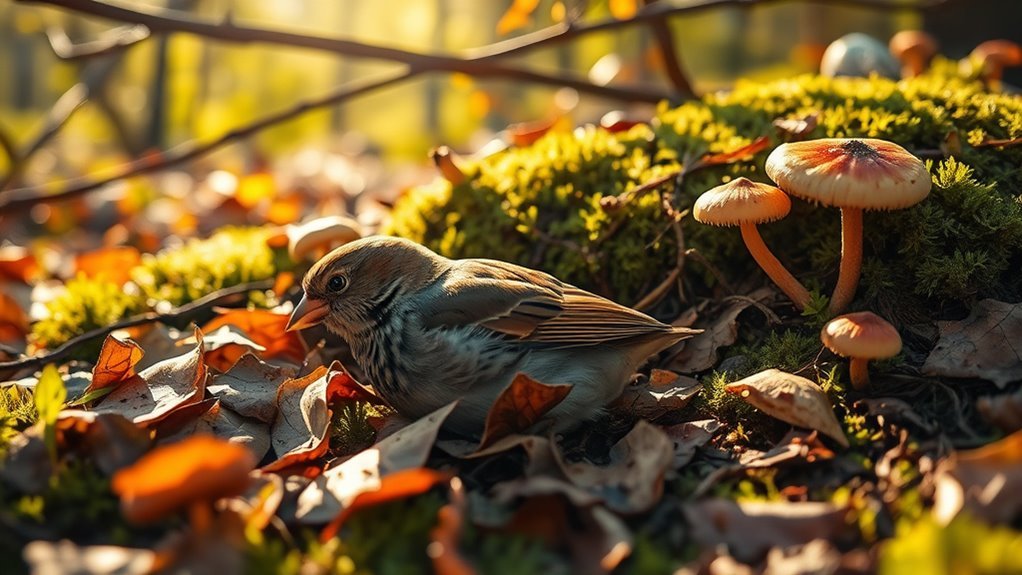
Birds die for several reasons, including disease, starvation, and predation. Raptors often hunt smaller birds, maintaining balance in ecosystems.
When birds die, their absence affects habitats, food chains, and populations.
Environmental issues like habitat loss and climate change make birds more vulnerable. Understanding bird mortality helps us see the connections in nature and the relationships that support bird populations.
This awareness encourages engagement in efforts to protect their habitats.
The Process of Decomposition
When birds die, their bodies decompose. This process is important for recycling nutrients in ecosystems. It happens in clear stages.
First, bacteria and fungi break down soft tissues. This breakdown happens faster in warm and moist areas. These organisms change organic materials into simpler forms, which helps enrich the soil.
After this initial stage, scavengers like insects and rodents arrive. They eat the remains, assisting in the recycling process.
Finally, the bones may last longer and will break down slowly due to weathering.
Understanding these stages highlights how life and death are connected. Every organism plays a part in this cycle, supporting life for future generations.
Ecological Contributions of Deceased Birds
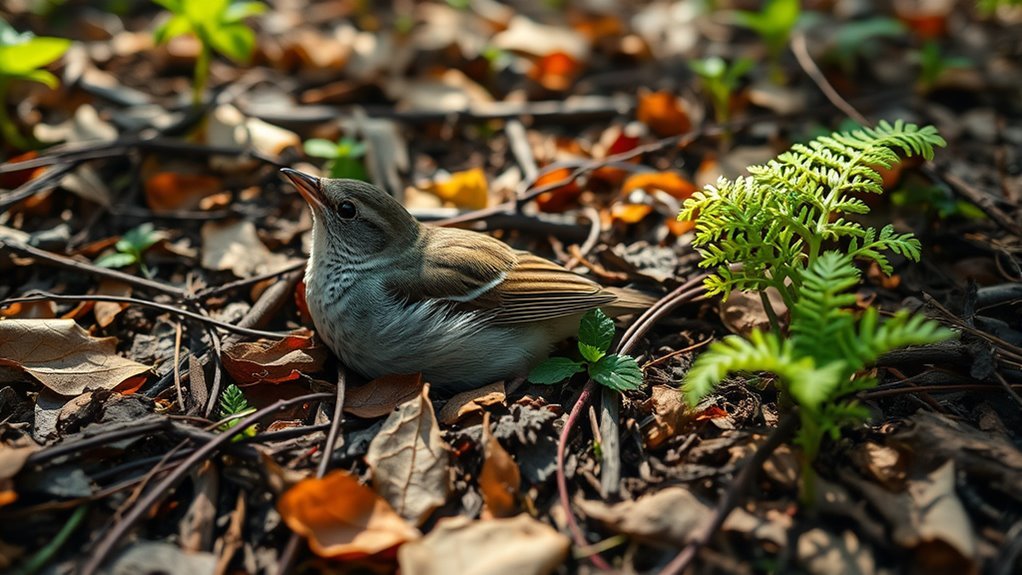
Birds significantly impact ecosystems even after they die. Their bodies decompose and add essential nutrients to the soil. This process helps recycle nutrients, supports plant growth, and enriches habitats.
Microorganisms, scavengers, and insects break down the remains, providing a food source for various species and promoting biodiversity. As deceased birds decay, they release vital elements like nitrogen and phosphorus, which are important for plant health.
Recognizing these contributions emphasizes the interconnectedness of life and death in ecosystems, where each organism fulfills a role.
Cultural Perspectives on Bird Death
Many cultures around the world have strong beliefs and rituals about the death of birds. These beliefs show different meanings and interpretations. For many people, birds symbolize freedom, life, and the spiritual world. When a bird dies, it often carries significant meaning.
Some traditions view a bird's death as an omen. People might believe it signals change or delivers messages from deceased loved ones. Birds can also symbolize the souls of ancestors. This connection offers guidance or warnings to the living.
In various communities, people participate in rituals to honor a bird's life. These rituals create a shared understanding of the bird's importance. They also strengthen social bonds and build a sense of community when facing loss.
The Impact of Environmental Factors on Bird Mortality
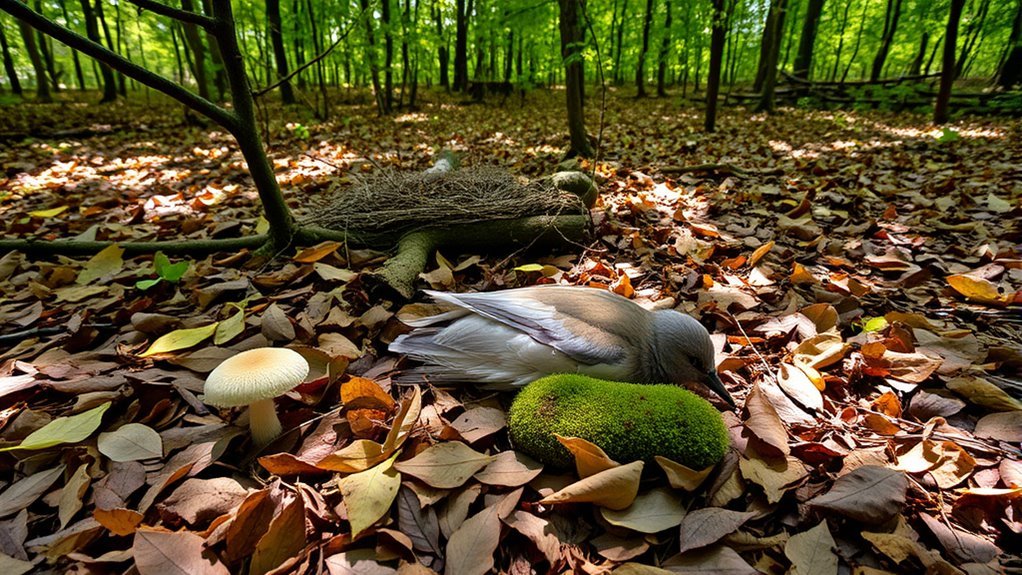
Environmental factors significantly affect bird mortality.
Key issues include habitat loss, climate change, and pollution. Habitat destruction limits breeding and nesting sites, making it harder for birds to find food.
Climate change disrupts weather patterns, leading to migration problems that affect their life cycles. This can increase the risk of predation in new areas that lack resources.
Pollution also poses threats, as it can contaminate food and nesting locations, raising death rates among birds.
Understanding these interconnected issues highlights the importance of caring for our environment. By addressing these challenges together, we can help improve bird survival and support ecosystems.
Frequently Asked Questions
Do Birds Have Specific Burial Rituals in Different Cultures?
Birds do not have their own burial rituals. However, human cultures have different ways of honoring birds after they die. Some cultures perform special ceremonies, while others may simply dispose of the birds. These practices show how different cultures value life and respond to loss.
Can Dead Birds Carry Diseases to Other Animals?
Dead birds can carry diseases that may infect other animals and humans. It is important to handle dead birds carefully to prevent the spread of these diseases. Taking precautions helps protect wildlife and public health.
How Do City Environments Affect Bird Mortality Rates?
City environments increase bird mortality rates. Hazards like traffic, predators, and pollution, together with habitat loss from development, reduce bird populations. Understanding these issues is important for urban wildlife conservation. By addressing these threats, we can help protect birds in cities and create healthier environments for them.
Are Certain Bird Species More Prone to Dying in Urban Areas?
Certain bird species in urban areas face greater risks from pollution and habitat loss. Birds like sparrows and pigeons are more sensitive to these dangers. As a result, they often have higher death rates in cities. Urban environments can challenge wildlife, making survival difficult for some birds.
What Should I Do if I Find a Dead Bird?
If you find a dead bird, handle it with care. Wear gloves to protect yourself. Contact local wildlife services for advice on how to dispose of the bird properly. They can guide you on safe handling and local regulations. This helps keep nature healthy.

Hello, I’m Emily Price, the founder of Birds Affection. As a passionate bird enthusiast and spiritual seeker, I’ve always been fascinated by the symbolic meanings and mystical connections between birds and our lives. On this website, I share my knowledge and insights on the spiritual significance of various bird species, exploring their roles as messengers, guides, and teachers. Through my writing, I aim to inspire and educate others on the profound wisdom and beauty that birds bring to our world. Join me on this journey as we delve into the enchanting realm of bird symbolism and discover the hidden meanings behind these magnificent creatures.


