

10 Woodland Birds to Look Out For
When you visit woodland areas, you will see many interesting birds. Each species, such as the bright Northern Cardinal and the friendly Black-capped Chickadee, has an important role in nature. The songs of American Robins and Eastern Towhees create a lively atmosphere. Learning about their habits, homes, and calls can make your outdoor adventures more enjoyable. What will you find out about how these birds interact with each other and their environment?
Key Takeaways
- Black-capped Chickadees are small, social birds often found in deciduous forests, known for their distinctive calls and curious nature.
- Tufted Titmice, recognizable by their tufted heads, thrive in mixed woodlands and are known for their active foraging behavior.
- Pileated Woodpeckers, with their bold appearance, inhabit mature forests and are excellent foragers, primarily feeding on insects in trees.
- Downy Woodpeckers, among the smallest woodpeckers, can be spotted tapping on tree trunks in parks and gardens as they search for insects.
- Eastern Towhees frequent shrubby areas and are known for their distinctive call that sounds like "drink-your-tea" while foraging for seeds and insects.
American Robin
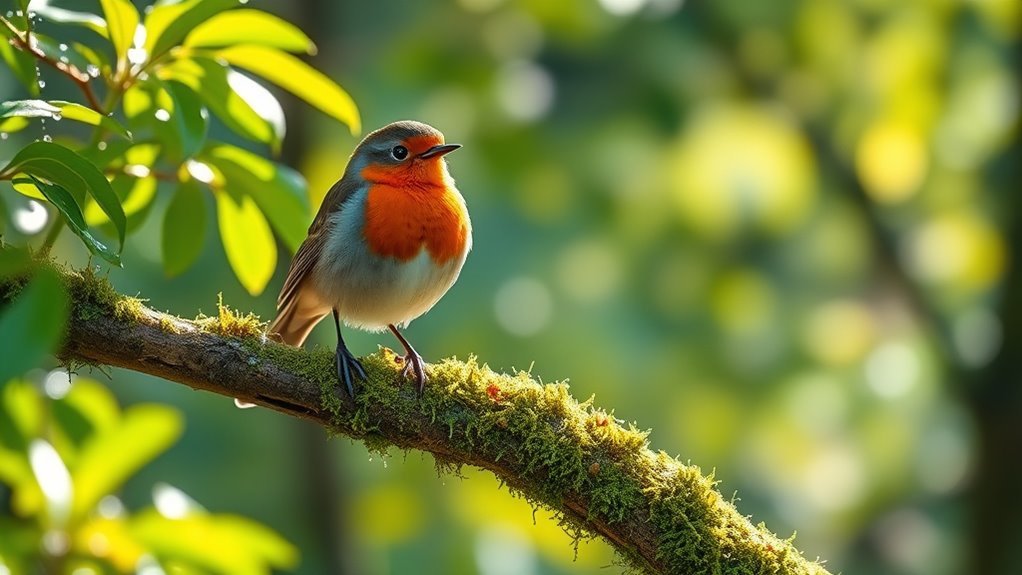
The American Robin is a common bird seen in backyards. It has a bright red-orange breast and a lovely song. In spring, you'll often see these birds hopping around as they look for food, such as earthworms and berries.
They show off their colors and make cheerful sounds to mark their territory.
As autumn arrives, the American Robins begin to migrate to warmer areas. They travel many miles to find food and places to breed.
Watching their migration helps you appreciate nature and understand the cycles of life.
Eastern Towhee
The Eastern Towhee is a colorful bird that often shares habitats with the American Robin.
You can find these birds in shrubby areas, forest edges, and suburban gardens. They like to forage on the ground, where they scratch through leaf litter to find seeds and insects.
Listen for their unique call that sounds like "drink-your-tea" to know they're nearby. Eastern Towhees often move in pairs or small groups while foraging.
Their courtship displays highlight their vibrant plumage. Observing Eastern Towhees can enhance your appreciation for nature and make your birdwatching more enjoyable.
Red-bellied Woodpecker
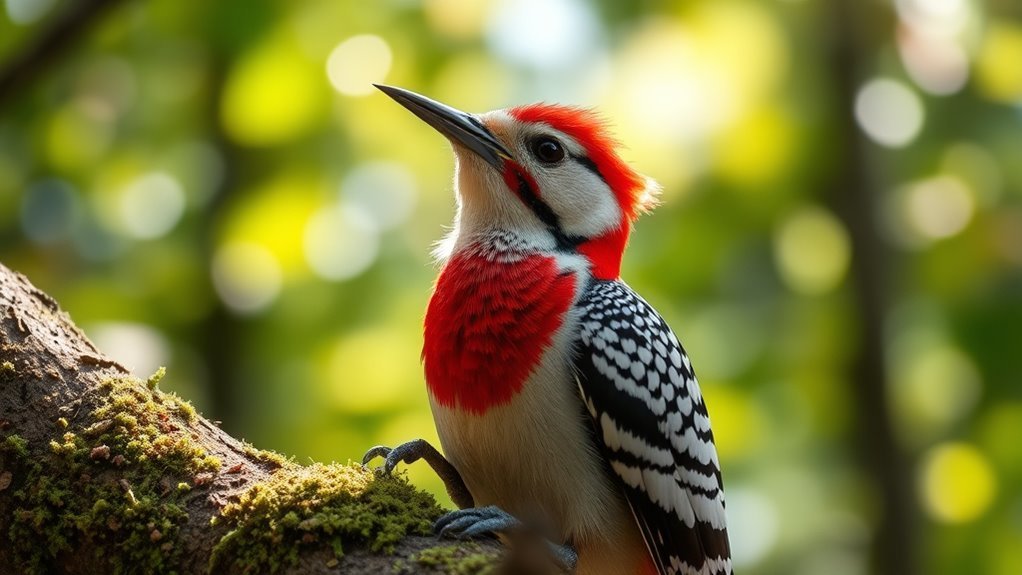
The Red-bellied Woodpecker has a unique appearance and distinct calls that make it interesting to watch in forests. You can see its bold black and white feathers and the red patch on its neck.
These woodpeckers make nests in dead or dying trees. They often use the same spot year after year. While looking for food, they search for insects under tree bark or on trunks.
They also eat fruits and nuts, showing their adaptability in feeding habits. Understanding their behavior and habitat helps you appreciate the important role the Red-bellied Woodpecker plays in the forest ecosystem.
Black-capped Chickadee
The Black-capped Chickadee is a small, friendly bird found in woodlands. This bird is known for its curious nature and unique call. The Black-capped Chickadee lives in many areas, including deciduous forests and neighborhoods with trees.
You can recognize them by their black-capped heads and fluffy bodies.
These birds are social and often forage in groups. Their playful behavior adds a lively feel to their environment.
As they move from branch to branch, their call "chick-a-dee-dee-dee" alerts others about possible dangers. Watching them interact reminds us of the beauty in nature and the joy of woodland ecosystems.
Tufted Titmouse
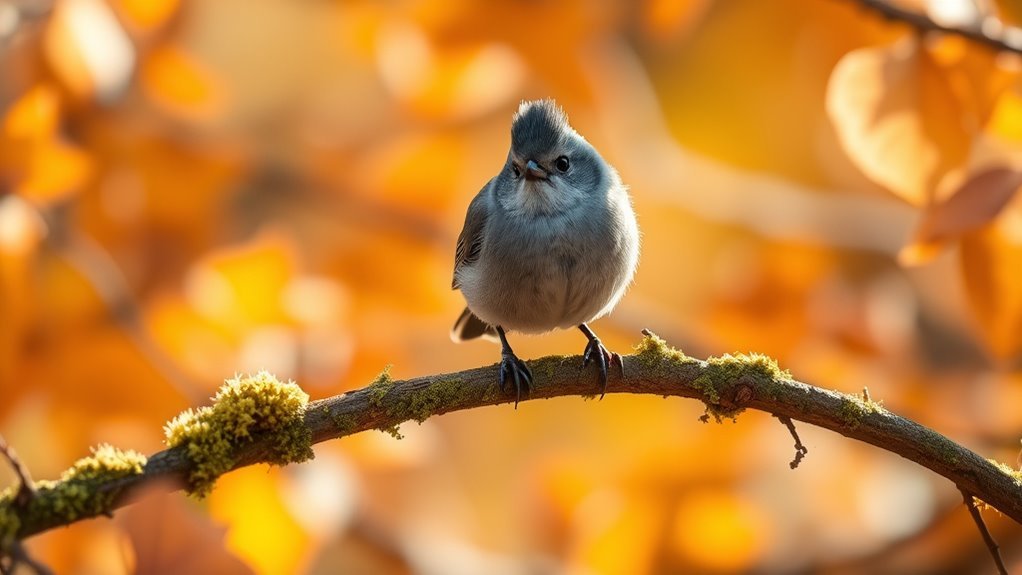
The Tufted Titmouse is a small gray bird that attracts birdwatchers with its unique features. It has a distinguished tuft on its head and thrives in deciduous and mixed woodlands.
These environments are perfect for observing its active behavior. The bird often flits between branches, searching for seeds and insects.
Tufted titmice are social and often interact with chickadees and other songbirds. This makes the woods come alive with their movements and sounds.
Their distinctive "peter-peter-peter" call helps birdwatchers locate them easily.
White-breasted Nuthatch
If you visit local woodlands, you might see the White-breasted Nuthatch. This small bird has striking black-and-white feathers.
It's interesting for bird watchers. You can watch it climb down tree trunks headfirst while it searches for insects in bark.
These birds are very adaptable. They often store seeds and nuts to eat during winter. Their diet includes a variety of foods, like sunflower seeds and suet from feeders.
This habit brings them into suburban areas, making them easier to spot.
Watching their quick movements and listening to their unique calls can enhance your connection to nature.
Northern Cardinal
The Northern Cardinal is a captivating bird commonly found in wooded areas. It has bright red feathers and represents joy and warmth in many cultures. Observing this bird can reveal how it adapts to its environment.
Key facts about the Northern Cardinal include:
- Diet: It eats seeds, fruits, and insects, making it omnivorous.
- Nesting: It builds nests in dense shrubs or trees for protection.
- Songs: Males sing to mark their territory and attract female cardinals.
- Social Behavior: They often stay in pairs or small groups.
This bird thrives in woodlands, gardens, and parks, making it easy to see. Connecting with the Northern Cardinal can enhance your appreciation for nature and build a sense of community in your local area.
Downy Woodpecker
The Downy Woodpecker is one of the smallest woodpeckers in North America. You can find it in deciduous trees, gardens, orchards, and forests. This bird often visits backyards and local parks.
It uses its short, straight bill to tap on wood to find insects. The Downy woodpecker usually moves along branches while foraging, rather than just pecking at tree trunks. Its calls and social behavior make it enjoyable to watch.
Observing these birds can help you connect with nature and appreciate your local ecosystem.
Song Sparrow
Song Sparrows are adaptable and common songbirds in North America. You can find them in many places, from city gardens to wetland edges.
Here are some key details about their behavior and habitat:
- They like to live in dense shrubs and low plants.
- Their songs are melodic and varied, often repeating in short patterns.
- They're curious and often come close to people.
- Their diet includes seeds and insects, which change with the seasons.
These characteristics make the Song Sparrow a charming part of our environment.
Watching them can enhance your connection to local wildlife and nature.
Pileated Woodpecker
The Pileated Woodpecker is a striking bird known for its bold appearance and impressive foraging skills.
It thrives in mature forests with large trees and plenty of dead wood. This environment is ideal for the Pileated Woodpecker.
It has a vibrant red crest and black-and-white markings that make it easy to spot. This woodpecker primarily feeds on insects like carpenter ants and wood-boring beetles.
Its loud tapping on tree trunks helps locate food hidden in decaying wood.
Watching Pileated Woodpeckers can deepen your connection to nature. Their role is essential in keeping forest ecosystems healthy.
Frequently Asked Questions
What Are the Best Times of Year to See Woodland Birds?
To see woodland birds, observe them in spring and fall. These seasons mark peak migration times. This is when many birds travel between breeding and wintering grounds. Watching these birds can deepen your appreciation for nature and create a sense of connection with your surroundings. Enjoying this experience can be both rewarding and fulfilling.
How Can I Attract Woodland Birds to My Backyard?
To attract woodland birds to your backyard, plant trees and shrubs that provide food and shelter. Choose native plants that produce berries and seeds, which birds enjoy. Install nesting boxes at varying heights and in quiet areas to give birds a safe place to raise their young.
Ensure a water source is available, such as a birdbath, to help keep birds hydrated. Avoid using pesticides, as they can harm birds and their food sources. By creating a friendly habitat, you can enjoy watching diverse woodland birds visit your yard throughout the year.
What Bird Feeders Are Best for Woodland Birds?
To attract woodland birds, use tube feeders for sunflower seeds and platform feeders for mixed seeds. Tube feeders are excellent for finches and chickadees, while platform feeders are perfect for larger birds like jays and doves. Offering a variety of seed types creates a welcoming space for different bird species. Regularly refill the feeders to encourage frequent visits.
Which Woodland Birds Are Migratory?
Some woodland birds, including warblers and thrushes, migrate seasonally. They travel between breeding and wintering grounds. This migration connects different ecosystems and enhances our appreciation for nature. Watching these birds can be a delightful experience, bringing a sense of wonder as they return with the seasons.
What Sounds Do Woodland Birds Typically Make?
Woodland birds make many sounds, including sweet songs and warning calls. Learning these bird calls can help you appreciate the unique sounds of woodland birds. Connecting with nature through sound can enhance your outdoor experience. Take time to listen and enjoy the vibrant soundscape around you.

Hello, I’m Emily Price, the founder of Birds Affection. As a passionate bird enthusiast and spiritual seeker, I’ve always been fascinated by the symbolic meanings and mystical connections between birds and our lives. On this website, I share my knowledge and insights on the spiritual significance of various bird species, exploring their roles as messengers, guides, and teachers. Through my writing, I aim to inspire and educate others on the profound wisdom and beauty that birds bring to our world. Join me on this journey as we delve into the enchanting realm of bird symbolism and discover the hidden meanings behind these magnificent creatures.

