

Your Bird Bucket List: 10 Iconic Species to See
Creating a bird bucket list is an exciting way to appreciate various bird species. You can see the Bald Eagle, a symbol of strength, and the colorful Scarlet Macaw, known for its bright feathers. Each bird has special traits that help it survive in its habitat. Let's look at these birds and learn why they are worth including on your list, while also noting the diverse environments they live in.
Key Takeaways
- The Bald Eagle symbolizes freedom and can be spotted near open water, showcasing impressive wingspans and nesting skills in high trees.
- Witness the vibrant Scarlet Macaw in tropical rainforests, known for its striking colors and social behavior in family groups.
- Observe the charming Puffin on rocky cliffs of the North Atlantic, recognizable by its colorful beak and unique waddling walk.
- Watch Hummingbirds during migrations, enjoying their agility and vibrant colors; providing sugar-water feeders can attract them to your yard.
- Seek the Aplomado Falcon in open grasslands, where its speed and hunting prowess create an exhilarating birdwatching experience.
The Bald Eagle
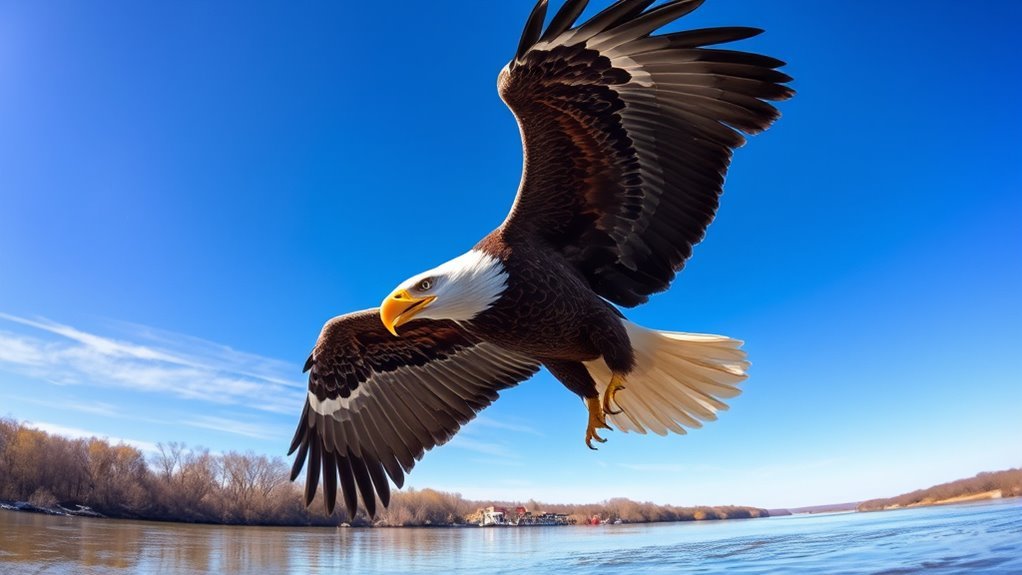
The Bald Eagle is a powerful symbol of freedom in the United States. It has a striking appearance and a large wingspan. This bird thrives near open water and builds its nests high in trees or on cliffs.
The Bald Eagle's habitat is important for its survival.
Bald Eagle conservation efforts have helped the population recover. These efforts include protecting nesting areas, banning harmful pesticides, and raising awareness about the bird's ecological role.
When you see a Bald Eagle soaring through the sky, you witness the success of conservation. This bird represents the hard work and commitment to preserving an iconic species for future generations.
The Scarlet Macaw
While you explore the rainforests of Central and South America, you may see the colorful Scarlet Macaw.
These large birds live in various habitats, especially in lowland tropical forests. They prefer the top part of trees for nesting. Their bright feathers provide camouflage and help with communication.
Scarlet Macaws are social animals. They often travel in pairs or family groups. Their loud calls fill the forest, helping them bond with each other.
Watching them in their natural setting reveals their intelligence and social behavior. This experience connects you to the rich diversity of life around you.
The Puffin
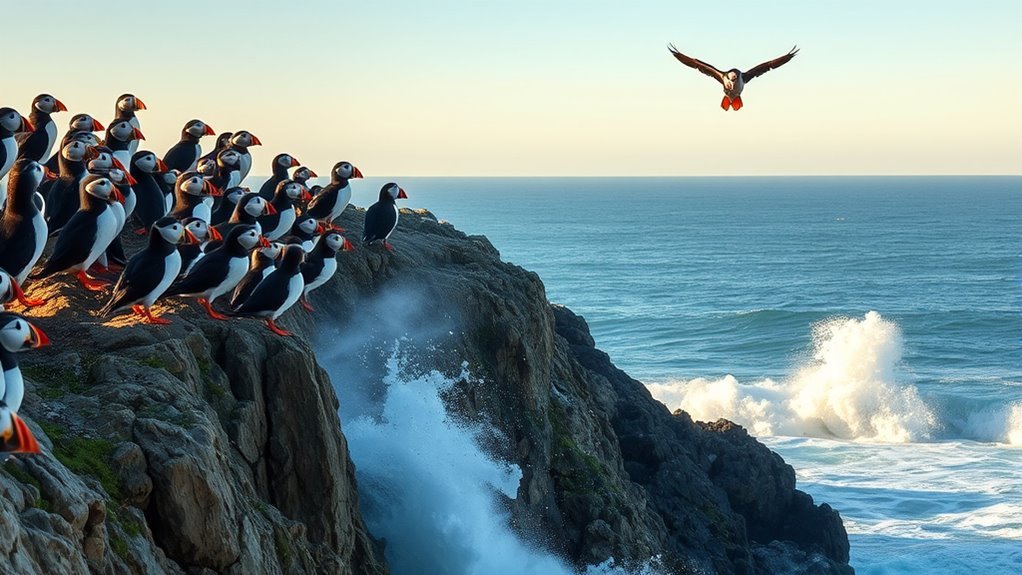
The Puffin is a unique bird that attracts attention with its colorful beak and waddling walk. These seabirds live in the rocky cliffs of the North Atlantic. During breeding season, their behavior becomes especially interesting.
Puffins spend a lot of time at sea hunting fish. However, they return to their nests, usually in burrows, to raise their chicks.
Watching Puffins in groups is an exciting experience. You can see how they interact and communicate with each other.
Learning about their habitat and behavior enhances your appreciation for Puffins. This knowledge makes your experience with these birds more meaningful.
The Hummingbird
Hummingbirds are small and colorful birds known for their quick movements and shiny feathers. They migrate long distances, traveling thousands of miles from their breeding grounds to winter homes. Understanding these migration patterns can help you plan your birdwatching trips effectively.
To attract hummingbirds to your yard, follow these simple feeder tips. Use a sugar-water mix with a ratio of four parts water to one part sugar. Don't add red dye, and clean your feeders regularly to avoid mold. Place feeders in sheltered spots near flowering plants for better visibility.
With patience, you can witness their stunning flying displays. Watching hummingbirds can enhance your birdwatching experience and strengthen your connection to nature, helping you feel more involved with the avian community.
The Aplomado Falcon

Birdwatching includes the fascinating Aplomado Falcon, a striking raptor recognized for its speed and unique look.
This bird lives in open grasslands and coastal plains, making it easy to spot as it flies gracefully in the sunlight.
Watch its impressive hunting skills as it catches small mammals and birds, often perching to scan its environment. You may witness its aerial displays, which highlight its hunting talents.
As you search for the Aplomado Falcon, you'll enjoy its beauty and connect with other birdwatchers who share your love for birds.
The African Penguin
If you visit the coasts of southern Africa, you'll see the African Penguin. This small, flightless bird has a unique black and white coat. They live on the rocky shores and sandy beaches, especially at the Cape of Good Hope.
African Penguins are social animals, and they form large colonies.
Unfortunately, their numbers are declining. Causes include oil spills, climate change, and overfishing.
To help these penguins, you can take part in local conservation efforts. Doing so not only enriches your visit but also creates a sense of community.
The Snowy Owl
The Snowy Owl is a beautiful bird with white feathers and bright yellow eyes.
It lives mostly in the Arctic tundra, where its white color helps it blend in with the snow.
This owl is a strong hunter. It has excellent hearing and vision, which allow it to find food hidden under the snow.
Snowy Owls silently fly in search of small animals like lemmings.
Spotting a Snowy Owl perched in a snowy landscape is a reminder of nature's beauty. Observing these owls can be an inspiring experience that connects you with the wild.
The Kiwi
Kiwis are unique flightless birds from New Zealand. They've long beaks and brown, shaggy feathers. Kiwis are active at night and can live in different environments like forests and grasslands. They've strong senses, especially their sense of smell, which helps them find insects and worms to eat.
Sadly, kiwis face many dangers. Their homes are disappearing, and they're hunted by animals that humans brought to New Zealand.
To help kiwis, many conservation groups work to protect their habitats and support breeding programs. By joining these efforts, you can help keep this special bird safe and connect with others who care about New Zealand's wildlife. Consider getting involved!
The Albatross
The Albatross
The albatross is a large seabird known for its remarkable wingspan, which can reach up to 12 feet.
These birds have unique traits that make them fascinating:
- Migration Patterns: Albatrosses travel thousands of miles from their breeding grounds to feeding areas.
- Feeding Habits: They eat squid, fish, and krill, using their sharp eyesight to find food from great heights.
- Dynamic Soaring: Their wings allow them to glide for hours while conserving energy.
- Breeding Behavior: Albatrosses mate for life and perform elaborate courtship displays to strengthen their bonds.
Seeing an albatross in its natural habitat greatly enhances your birdwatching experience.
The Resplendent Quetzal
The resplendent quetzal has vibrant green feathers and a long tail that attract birdwatchers. This bird mainly lives in the cloud forests of Central America.
These forests are dense and humid, supporting many species of plants and animals. The quetzal helps spread seeds, benefiting the ecosystem.
However, habitat loss and deforestation endanger the quetzal population. Conservation efforts are vital to protect this species. By supporting initiatives that preserve their environment, you contribute to the survival of the quetzal.
Spotting a quetzal can enhance your birdwatching experience. It connects you to nature and highlights the importance of protecting wildlife.
Enjoy the beauty of this remarkable bird while helping to safeguard its future.
Frequently Asked Questions
What Is the Best Time to See These Iconic Bird Species?
To see iconic bird species, pay attention to their migration and seasonal behaviors. Spring and autumn are the best times for sightings. Many birds return or leave during these seasons, leading to more exciting views. Plan your birdwatching during these times for a rewarding experience. Happy birdwatching!
Are There Specific Locations Known for Spotting These Birds?
You can find great spots for birdwatching along popular migration routes. These locations have diverse environments that attract many bird species. Visiting these places during peak migration seasons increases your chances to see amazing bird activities. This experience can deepen your love for nature's beauty.
What Gear or Equipment Is Recommended for Birdwatching?
For birdwatching, you need high-quality binoculars and a solid camera with a zoom lens. Binoculars help you see birds clearly, while a camera allows you to capture their beauty. These items make your birdwatching more enjoyable and meaningful.
How Can I Help Conserve These Bird Species?
You can help bird species by participating in habitat preservation projects and wildlife protection programs. Your actions support a healthy ecosystem, allowing birds to thrive for future generations. Join local conservation efforts, plant native vegetation, and educate others about the importance of protecting our feathered friends. Every small step you take can make a big difference.
What Are the Most Common Behaviors of These Birds?
Birds display various mating rituals, including dances and calls. Their nesting habits show they can adapt well. Some birds build nests in tree tops, while others make homes in cities. This ability allows them to live successfully alongside people.

Hello, I’m Emily Price, the founder of Birds Affection. As a passionate bird enthusiast and spiritual seeker, I’ve always been fascinated by the symbolic meanings and mystical connections between birds and our lives. On this website, I share my knowledge and insights on the spiritual significance of various bird species, exploring their roles as messengers, guides, and teachers. Through my writing, I aim to inspire and educate others on the profound wisdom and beauty that birds bring to our world. Join me on this journey as we delve into the enchanting realm of bird symbolism and discover the hidden meanings behind these magnificent creatures.
