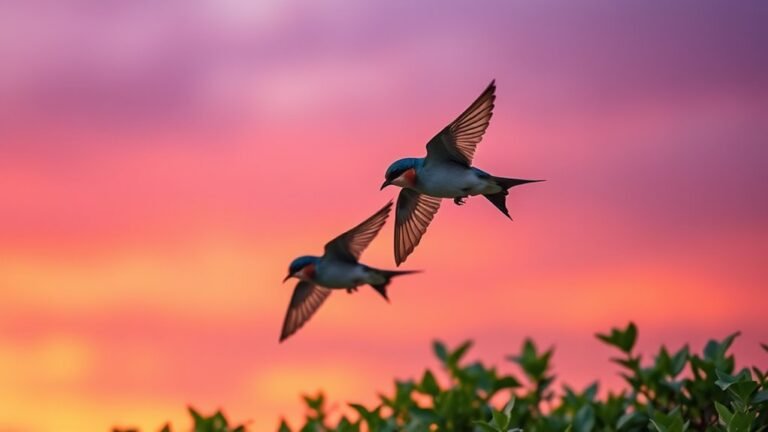
Yellow Birds: What Do They Represent?
Yellow birds symbolize joy, hope, and renewal in many cultures. They appear in folklore, literature, and ecological discussions, showing their impact on how we view nature and each other. Exploring their meaning can offer valuable insights into our relationship with the environment and ourselves. Their colors and melodies add charm to our lives, making them a delightful topic for discussion.
Key Takeaways
- Yellow birds symbolize positivity, joy, and friendship across various cultures and traditions.
- In folklore, they are seen as messengers, representing hope, prosperity, and new beginnings.
- Emotionally, they trigger feelings of happiness and inspire connections to nature and others.
- In literature and art, yellow birds embody freedom and the pursuit of a brighter future.
- Spiritually, encountering a yellow bird suggests guidance and encourages optimism in one's life journey.
The Symbolism of Yellow Birds in Different Cultures
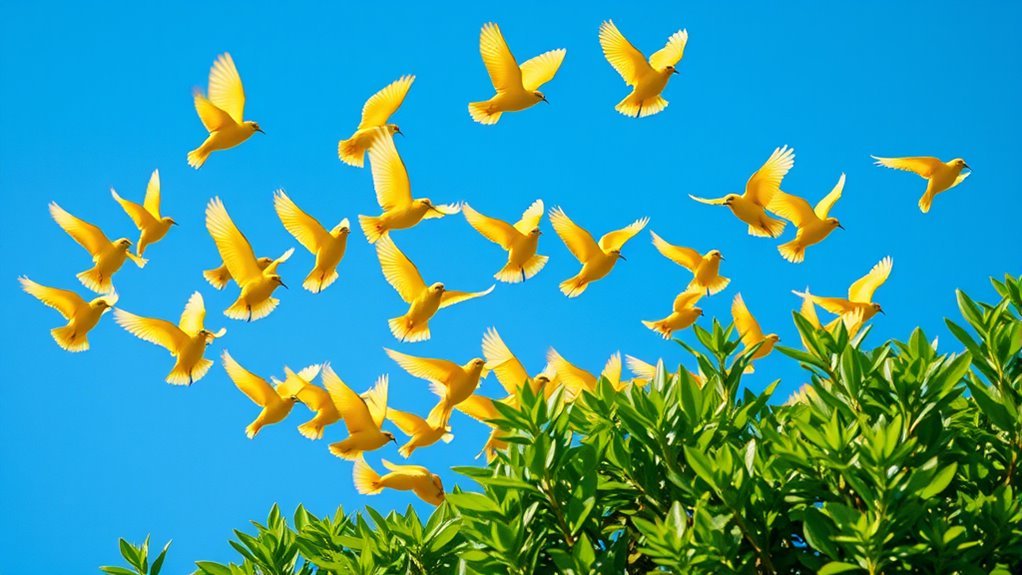
Yellow birds hold a special place in many cultures, symbolizing positivity and joy. Each culture assigns different meanings to these bright creatures. In many African cultures, yellow birds represent wealth and prosperity.
In Asian cultures, they signify new beginnings and happiness. In Western cultures, yellow often stands for hope and friendship, as seen with canaries and their beautiful songs.
Local folklore and environment shape these beliefs, highlighting connections between people and nature. Understanding what yellow birds mean in various cultures helps foster appreciation and belonging.
As you learn about these vibrant symbols, you can enjoy the deeper significance they hold around the world.
Yellow Birds in Folklore and Mythology
Many people admire yellow birds for their bright colors. These birds also have important roles in folklore and mythology around the world. Their colorful feathers often symbolize joy, hope, and the coming of spring, making them key characters in stories.
- In Native American cultures, yellow birds represent the sun and are seen as messengers from the spirit world.
- In ancient Egypt, canaries symbolized prosperity and were linked to Hathor, the goddess of music and joy.
- In Chinese folklore, yellow birds stand for wealth and success. They're often viewed as good luck during important life events.
In these stories, yellow birds symbolize light, positivity, and a connection to the divine. They enhance our understanding of nature's beauty.
The Emotional Resonance of Yellow Birds
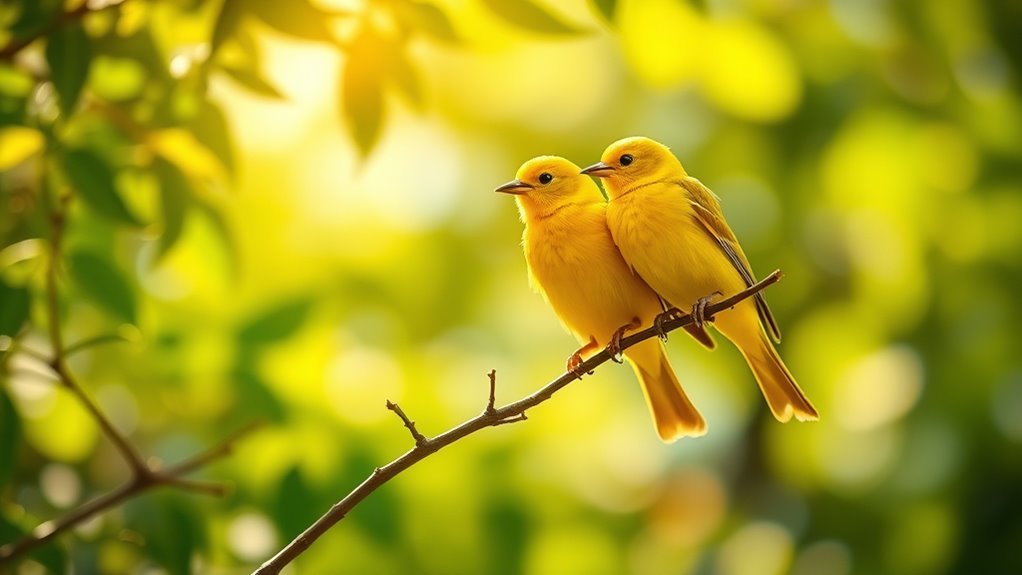
Yellow birds bring joy to many people. Their bright color can make you feel happy as it triggers the brain's reward system.
When you see yellow birds, you might recall joyful memories and feel connected to nature. Watching these birds can inspire hope and positivity, reminding us of strength and new beginnings.
Studies show that bright colors can improve emotional well-being. Yellow birds can create bonds between people, allowing everyone to share in the appreciation of beauty and the good feelings it brings.
Yellow Birds in Literature and Art
Yellow birds capture attention with their bright colors and also serve as important symbols in literature and art. They represent deeper meanings, such as hope, freedom, and joy.
- Hope: Many cultures view yellow birds as symbols of optimism and a brighter future.
- Freedom: Artists often show yellow birds in flight to symbolize liberty and the desire to escape.
- Joy: Writers use yellow birds to express happiness, brightening both landscapes and stories.
The symbolism of yellow birds enhances our understanding of emotions and relationships. Their presence in creative works reflects our shared desire for beauty and connection, resonating with many people.
Spiritual Messages and Interpretations of Yellow Birds
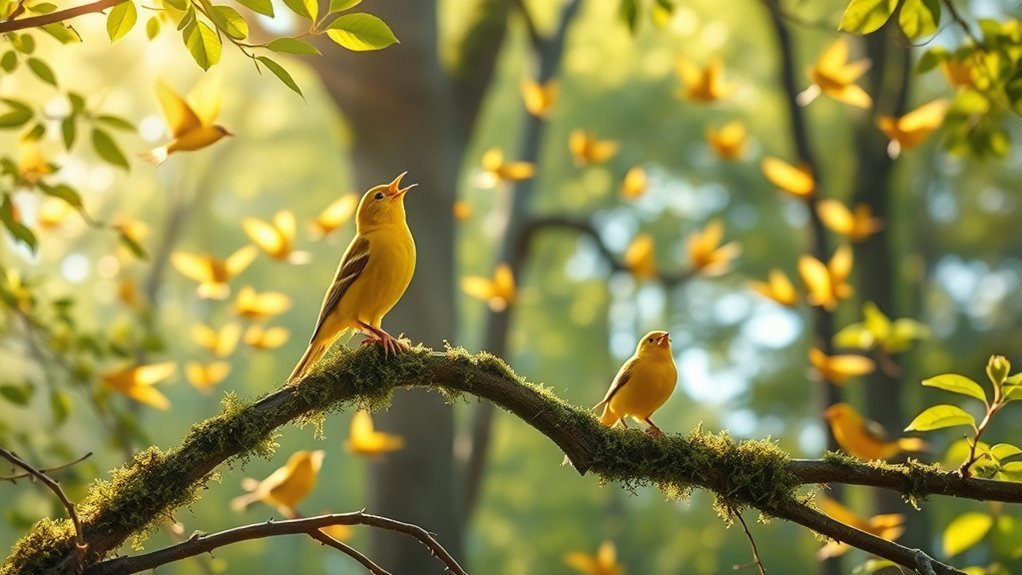
Encountering a yellow bird often brings a strong spiritual message. These bright creatures symbolize guidance and encourage you to maintain optimism and joy. The color yellow stimulates your mind and creates positive energy, making yellow birds meaningful in a spiritual sense.
Seeing a yellow bird can remind you to connect with yourself and build relationships with others. It may inspire you to think about your life's direction and purpose.
As you consider this message, think about how it encourages you to embrace positivity and new beginnings. This can help you feel more connected to yourself and those around you.
The Importance of Yellow Birds in Conservation and Ecology
Yellow birds play a crucial role in ecosystems and biodiversity. Their presence often signals the health of their habitats. These colorful birds support conservation efforts and are essential for preserving habitats and species diversity. Protecting yellow birds means protecting entire ecosystems.
- Yellow birds act as pollinators, helping plants reproduce.
- They control insect populations, which reduces crop damage.
- Their migration patterns help scientists understand climate change, shaping conservation plans.
Frequently Asked Questions
What Specific Species Are Classified as Yellow Birds?
When looking at yellow birds, you will find canaries. They are known for their bright colors and sweet songs. Goldfinches are another type of yellow bird. They have striking feathers and are very adaptable. Each species has unique traits that highlight the diversity of birds.
How Do Yellow Birds Communicate With Each Other?
Yellow birds communicate using various sounds and actions. They make calls to warn each other of danger or to attract mates. Watching these interactions helps you understand their social behavior and ecological roles better.
What Is the Lifespan of Common Yellow Bird Species?
The lifespan of common yellow birds can reach up to 15 years with proper care and successful breeding. Their lifespan depends on factors like habitat, diet, and environmental conditions. Providing a good environment and nutrition can help these birds live longer, making them enjoyable companions.
Are Yellow Birds More Common in Certain Regions?
Yes, yellow birds are often found in specific regions because of their habitat preferences and migratory patterns. They like open fields, woodlands, and wetlands. These areas provide plenty of food and good places to build nests. As a result, you may see more yellow birds in these locations than elsewhere.
How Do Environmental Changes Affect Yellow Bird Populations?
Environmental changes affect yellow bird populations in significant ways. Habitat loss from urban development and farming reduces the areas where they can live and reproduce. Climate change alters food availability, which makes it harder for yellow birds to find enough to eat. These factors disrupt their nesting and migration patterns. As a result, yellow bird populations face challenges that threaten their survival and stability within ecosystems.

Hello, I’m Emily Price, the founder of Birds Affection. As a passionate bird enthusiast and spiritual seeker, I’ve always been fascinated by the symbolic meanings and mystical connections between birds and our lives. On this website, I share my knowledge and insights on the spiritual significance of various bird species, exploring their roles as messengers, guides, and teachers. Through my writing, I aim to inspire and educate others on the profound wisdom and beauty that birds bring to our world. Join me on this journey as we delve into the enchanting realm of bird symbolism and discover the hidden meanings behind these magnificent creatures.