Feather Friendly DIY Bird Deterrent Window Tape Review 2026
Birds hit windows more often than most of us realize. A clear pane looks like open sky to them, and the crash can be deadly.
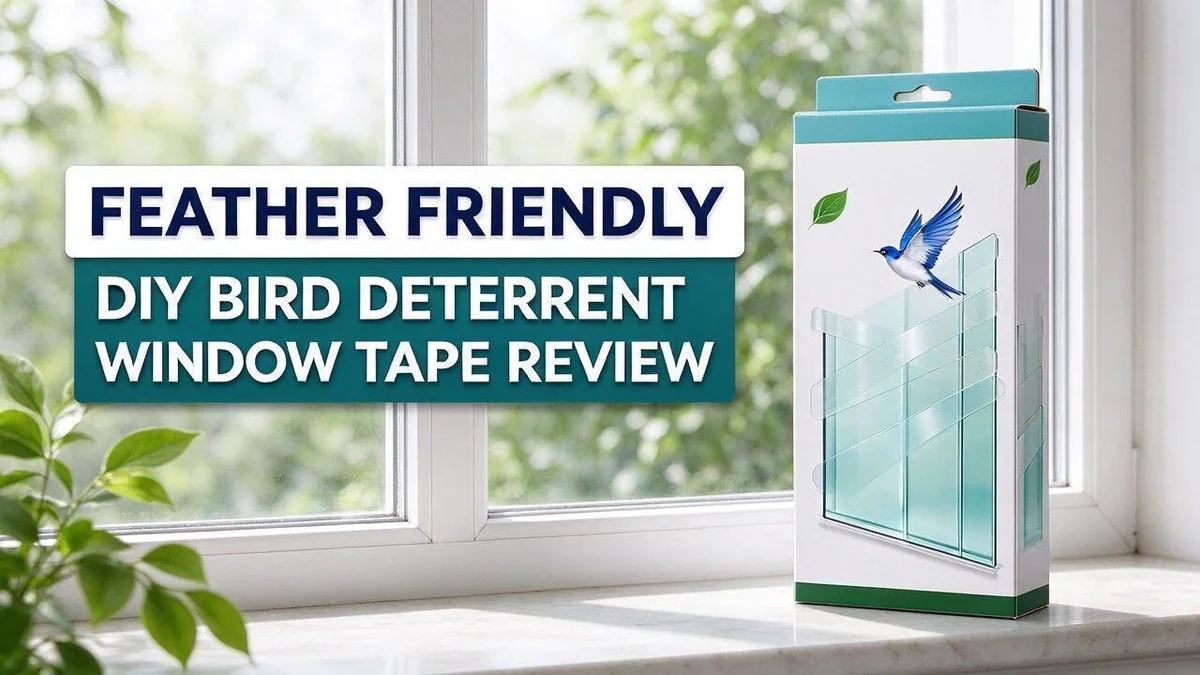
Feather Friendly DIY Bird Deterrent Window Tape offers a simple fix. You apply it to the outside of your glass, and birds see a solid barrier.
The tape uses grayish white square dots spaced 2 inches apart. Birds notice the pattern and steer away. You still enjoy a clear view from inside.
In a Nutshell
- Best for: Homeowners who want a simple, do it yourself way to cut down bird strikes on glass.
- Coverage: One roll treats about 16 square feet of glass, so it suits a few windows or a sliding door.
- Visibility: The dots stay unobtrusive. They do not block your view, and most people stop noticing them quickly.
- Durability: The tape is scientifically proven and built to last outdoors. Reviewers report no install or performance complaints.
- Alternatives: Bird Divert Clear UV and the black Feather Friendly markers compete well. Soap, tape, or paint dots work too, but they need more effort and upkeep.
- Bigger jobs: A Pro DIY version comes as a 6 in x 50 ft roll for larger projects.
How the Dot Pattern Works

Last update on 2026-11-13 / Affiliate links / Images from Amazon Product Advertising API Some of the links on this website are affiliate links, which means that at no additional cost to you, I earn a commission if you click through and make a purchase. I only recommend products and services that I believe will add value to my readers. Thank you for your support!
Birds do not see glass the way we do. A clear pane can look like open sky or a leafy tree. The dot pattern breaks up that illusion and tells birds a solid surface is ahead.
The marks act as a visual cue. When a bird spots them, it reads the window as a barrier. This happens while the bird is still some distance away, which gives it time to change course.
Think of the pattern like a grid of tiny signposts. Each dot repeats across the whole pane. Even gaps keep the design balanced, so no single area looks open or empty.
Contrast matters a lot here. The pale dots stand out against the dark interior of a room and the bright reflections of the sky. This contrast helps the pattern show up in different light.
Seasons also change how birds move. During migration, many species pass through yards and fly low near homes. A steady pattern keeps working through every season, so protection stays in place as the weather shifts.
People inside the home also notice the dots. The marks give the glass a clear edge, so you can see where the window sits. Pets and children tend to notice them too.
Night brings its own challenge. Indoor lights can make windows glow, which may confuse birds that fly after dark. Dots placed across the pane give the glass visible structure even when the outside is dim.
Placement is the key step. Many people put the tape on the outside surface, where birds see it first. Cover the full view area instead of a single corner. The pattern works best when it spans the whole pane.
Plan the layout before you press anything down. Measure each window, then mark even rows on the glass. Clean the surface well, since dust can weaken how the tape sticks and looks.
Installation and Application
Good installation starts with clean glass. Wipe both sides with a soft cloth and mild soap. Dust and oily spots can make the tape peel early.
Gather a few simple tools before you start. You will need a ruler, a pencil, sharp scissors, and a dry cloth. Keep the roll nearby so you can work fast.
Pick a calm, mild day for the job. Cold glass can make the adhesive stiff, while hot sun can make it sticky and hard to place. Aim for a moderate temperature and dry weather.
Cut strips to the length you need. Peel back only a small section at a time. This keeps the tape straight and stops it from folding onto itself.
Press each strip firmly with your fingers. Smooth from the center outward to push out air bubbles. Gentle pressure helps the edges bond well.
Do not stretch the tape as you apply it. Stretching can pull the dots out of line and make the pattern look uneven. Let the tape rest flat on the glass instead.
Corners need extra care. Trim the ends at an angle so the strip fits neatly into the frame. Small trims give a cleaner finish.
Sliding doors and large panes often need several strips. Work from top to bottom so you can check spacing as you go. Step back now and then to view the pattern from a distance.
Watch the tape for the first few days. Look for lifting edges or missing sections. Press any loose spot back down right away.
Finally, clean the glass again if dust builds up. A soft cloth keeps the dots bright and easy to see. Regular care helps the tape do its job for longer.
Effectiveness at Preventing Bird Collisions
Most bird strikes happen when a bird sees a reflection of trees or sky. The glass looks like open space. The dot pattern breaks up that reflection so birds read the surface as solid.
The even spacing matters a great deal. Gaps that are too wide can leave open space that birds still read as a clear path. Keeping rows even helps the pattern work across the whole pane.
Coverage matters just as much. Patchy application leaves blind spots where birds can still hit the glass. Cover the full pane, not just the center, for better results.
Birds may still bump a window during the first few weeks. They need time to learn the new pattern. Keep a simple log of any strikes so you can spot trouble areas quickly.
Pairing the tape with other steps can boost results. Placing feeders either within 3 feet of a window or more than 30 feet away lowers collision risk. Adding exterior screens also helps.
Real results vary by species, light, and window angle. Still, many homeowners notice fewer strikes over time. Clear expectations help you judge success fairly.
Think about the window location too. Windows near dense shrubs or tall trees often see more traffic. Focus your effort on those glass panes first, since they carry the highest risk.
Measuring success is simple. Count strikes per week before and after installation. A clear record shows whether the tape is doing its job.
Stunned birds below a window signal a problem. Check the pane for missing dots or gaps. Fixing those spots quickly keeps the barrier strong over time. Replace any missing dots as soon as you notice them.
Top 3 Alternatives
Bird-X Scare Tape


Last update on 2026-11-13 / Affiliate links / Images from Amazon Product Advertising API Some of the links on this website are affiliate links, which means that at no additional cost to you, I earn a commission if you click through and make a purchase. I only recommend products and services that I believe will add value to my readers. Thank you for your support!
Bird-X Scare Tape works well for people who want a simple option. It uses reflective strips that flash in sunlight and move in the wind.
Birds see the movement and avoid the area. Many homeowners choose it because setup takes only minutes. Hang the strips loosely so they catch the breeze.
Bird-B-Gone Bird Spikes

Last update on 2026-11-13 / Affiliate links / Images from Amazon Product Advertising API Some of the links on this website are affiliate links, which means that at no additional cost to you, I earn a commission if you click through and make a purchase. I only recommend products and services that I believe will add value to my readers. Thank you for your support!
Bird-B-Gone Bird Spikes give a firm physical barrier. Pigeons and gulls cannot land on ledges covered with these spikes.
You place them along roof edges, sills, and signs. Spikes suit busy areas where birds gather every day. They stop birds without harming them. Check the spikes each season, and tighten any loose mounts to keep the setup secure.
Tanglefoot Bird Repellent

Last update on 2026-11-13 / Affiliate links / Images from Amazon Product Advertising API Some of the links on this website are affiliate links, which means that at no additional cost to you, I earn a commission if you click through and make a purchase. I only recommend products and services that I believe will add value to my readers. Thank you for your support!
Tanglefoot Bird Repellent takes a different approach. It forms a sticky gel that birds dislike touching.
Apply a thin layer on surfaces where birds perch. This product works best on flat ledges and railings. Wear gloves during application, because the gel is hard to remove from skin and clothes. Reapply after heavy rain so the surface stays effective. Test a small area first to see how the surface reacts.
Visibility and Appearance on Glass
Many homeowners worry that bird tape will spoil the look of their windows. The truth is that the pattern feels light and quiet.
From a few steps away, the dots blend into the glass. Your room still feels bright and open.
The tone matters too. Soft gray and white dots sit well against most siding, brick, and frames. They rarely clash with the home’s style.
Lighting changes how the tape looks. On a cloudy afternoon, the dots appear almost faint. In strong sun, they show up more clearly on the surface.
Viewing angle plays a role as well. Standing straight on, you barely notice the pattern.
Looking at the window from the side is different. The dots can seem to form a faint texture across the pane.
Straight lines look best. When rows run level with the window frame, the pattern looks planned and tidy. Crooked rows catch the eye and make the window look untidy.
Frames and trim deserve a look too. Dark trim makes light dots stand out more, while lighter trim blends the pattern into the surroundings. Choose a spot where the tape looks balanced with the window shape.
Think about the rest of the house, too. Curtains, blinds, and outdoor plants shape how the tape looks from the street. Many people also like the view from inside, so they test the look from their favorite chair.
Over time, the tape keeps its general look. Sun and weather may soften the gray tone a little, but the pattern still reads clearly.
Overall, the appearance suits most homes. Good planning keeps the look neat. You can protect birds and keep your windows looking great.
Durability and Weather Resistance
Outdoor tape faces a tough life. Sun, rain, wind, and cold all work against it every day.
The Feather Friendly tape is made to stay put. Its dots resist the everyday weather that wears down weaker materials.
Ultraviolet light is the main threat. Strong sun can fade colors and dry out adhesives over time.
The gray and white dots hold their color well. A faded dot can lose its contrast, so watch for dulling each season.
Rain and humidity test the bond. Moisture seeps into the edges first. Check the edges after a heavy storm.
Freezing temperatures need attention too. Winter cold makes the material stiffer. Ice and snow can build up on the glass.
Wind pushes against the tape on windy days. A well bonded strip stays flat and does not curl away from the pane.
Cleaning helps the tape last longer. Use mild soap and water. Avoid harsh solvents, which can weaken the adhesive. Dust and dirt can also cloud the dots over time, so a gentle wipe helps.
Avoid pressure washers aimed at the dots. Strong spray can lift an edge and pull the strip loose.
Expect a long service life. The source describes the product as highly durable. Reviewers report no install or performance complaints, which is a good sign.
Keep spare tape on hand. Replacement strips help you fix a worn section fast. Matching the spacing keeps the pattern even.
Plan a seasonal check. Look at the tape each spring and fall. Look for loose edges, faded dots, or dust buildup.
Small fixes now prevent big gaps later. Replace any strip that peels or lifts.
Durable tape protects birds for the long haul. A little care each season keeps the pattern clear and effective.
Coverage, Roll Size and Value
Figuring out how much tape to buy is easier than most people expect. The main roll is 1/4 in x 100 ft, and it covers about 16 sq ft of glass. Start by measuring the height and width of each window.
Multiply those two numbers to get the square footage for each pane. Then add up the total area for every window you plan to treat. Divide that total by 16 to estimate how many full rolls you need.
Always round up. Extra tape helps you fix a crooked strip or cover an odd-shaped pane. It also gives you a backup if a piece tears during application.
The roll length matters too. One 100 ft roll gives you plenty of tape for a typical home. Each leftover piece from a small window can cover a narrow pane later.
Consider the Pro DIY option as well. Its 6 in x 50 ft format suits a different job. The narrower width works well for thin mullions, small accent panes, or a single door.
Wider tape means fewer strips across large glass. Narrower tape allows more careful placement in tight spaces. Choose the format that fits your windows, not just the one you saw first.
New construction offers a helpful advantage. You can plan the layout before the glass goes in. Retrofit projects on existing homes may need a few extra feet for test strips on each window.
A quick plan on paper saves time at the window. Sketch each window and mark the strip direction. This simple step helps you avoid guesswork and wasted tape.
Keep a small notebook with your measurements and roll counts. You can reuse the notes for future projects or share them with a neighbor who wants the same tape.
Store leftover tape in a cool, dry spot. Heat and humidity can weaken the adhesive over time. Write the purchase date on the box so you know what you have.
Pros and Cons
Pros
- Easy to install for most homeowners with basic tools.
- Helps prevent bird collisions on glass surfaces.
- Works well on existing windows, not just new builds.
- The dots leave the view clear through the glass.
- Backed by science and built to last.
Cons
- The dots must cover the glass in a full grid to work well.
- Only the grayish-white dot style appears in our research.
- Long-term user feedback is limited so far.
- Some buyers may want a clear or darker color for a specific look.
Who Should Buy It
Homeowners with large glass areas often benefit most from this tape. Picture windows, sliding patio doors, and glass railings create many risks for birds. This product covers those surfaces in a neat, even pattern. Many older homes also have large glass areas that need protection.
People who live near feeders or wooded lots also make strong candidates. Birds flock near these spots and often hit nearby glass. A full grid of dots can stop many strikes before they start.
Property managers and small business owners should consider this option too. Offices, cafes, and schools with glass entrances face the same issue. Larger sites will need several rolls, so plan the total before ordering. Clear rules and a simple layout help staff install the tape faster.
Shoppers who want a proven method may prefer this over homemade fixes. Soap, paint, and generic tape often look messy or wear out quickly. This product offers a cleaner finish with a clear layout plan.
Renters should check first. Adding tape to glass may need landlord approval. Renters can still enjoy the benefits if the owner agrees. A quick talk with the property owner can prevent problems later.
Some buyers should look elsewhere. Anyone who needs a bold or decorative look may want a different style. Those who want a tape for one tiny window might find a smaller size more practical.
Bird lovers who want a simple fix will likely feel satisfied with this choice. It helps protect birds while keeping the view clear. Most households that match these traits will find it a sensible pick. They also gain a clear plan for protecting local wildlife.
Final Verdict
Feather Friendly DIY Bird Deterrent Window Tape earns our strong recommendation. It solves a real problem with a simple method. Most people can finish a window in one sitting.
Our research found no stated complaints. Users report no install or performance problems. That record gives us confidence.
Let’s look at the other options. Bird Divert Clear UV Residential offers a more transparent look. The black Feather Friendly markers give stronger contrast on light backgrounds.
Homemade dots made from soap, tape, or paint are quick to try. They often need frequent touch ups, though. This tape gives you a lasting, tested solution instead.
Here is a smart way to start. Pick the window where birds strike most often. Treat that glass first and watch the results for a few weeks.
Then move on to the next trouble spot. This approach spreads the work across several days. It also lets you learn the process before tackling bigger panes.
Birds feel safer, and you feel better too. Few things match the relief of ending those sad thumps against your glass.
Our final score: a confident yes. The tape works as promised and stays out of your way. It suits both older homes and fresh builds.
Bottom line: If you want a dependable way to protect birds, this is a smart pick. Order a roll, treat your first window this week, and enjoy a safer view.
Frequently Asked Questions
Do I need to clean the glass first?
Yes, a clean surface helps the tape stick well. Wipe the glass with a mild glass cleaner and let it dry fully. Dust, oil, and fingerprints can weaken the adhesive, so the edges may lift over time. Cleaning the glass before you start saves you from peeling and reapplying later.
Can I cut the tape to fit odd window shapes?
Yes, you can trim the tape with sharp scissors. Cut through the gap between dots so each piece stays neat. Place the trimmed pieces carefully so the spacing stays even across the glass.
Does this tape work on sliding glass doors?
Sliding doors are a smart place to start. Large glass panes often reflect the sky and trees, which confuses birds. Apply the tape on the side of the glass that birds see first, so the dots stand out from the outside view.
How do I remove the tape later?
Peel the tape slowly from one corner. If it resists, warm it with a hair dryer for a few seconds. Then wipe away any leftover residue with a soft cloth. Always check the product packaging for the latest removal tips.

Hello, I’m Emily Price, the founder of Birds Affection. As a passionate bird enthusiast and spiritual seeker, I’ve always been fascinated by the symbolic meanings and mystical connections between birds and our lives. On this website, I share my knowledge and insights on the spiritual significance of various bird species, exploring their roles as messengers, guides, and teachers. Through my writing, I aim to inspire and educate others on the profound wisdom and beauty that birds bring to our world. Join me on this journey as we delve into the enchanting realm of bird symbolism and discover the hidden meanings behind these magnificent creatures.