Erva Squirrel Baffle Review 2026: Complete Buyer’s Guide
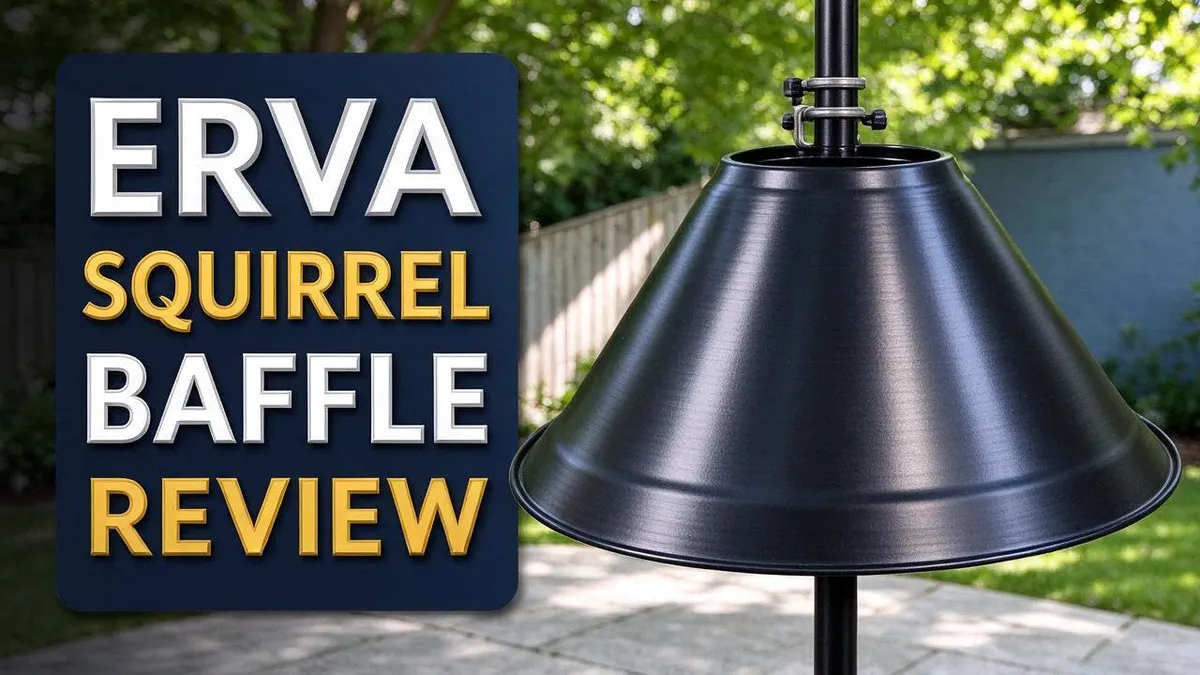
Squirrels love bird feeders. They climb poles, steal seed, and scare off your birds. The Erva Squirrel Baffle aims to stop that. This galvanized steel baffle blocks squirrels from climbing your feeder pole.
Erva offers a wrap around style and a dome top cylinder style. The wrap around model measures 18.5 inches across. The cylinder measures 16¾ inches long and 6¼ inches wide.
Both are made in the USA. The steel finish resists rust and corrosion. Reviewers report no issues once installed, as long as the pole has no jumping points nearby. Let’s see if this baffle fits your yard.
In a Nutshell
- Rust protection: The galvanized steel finish resists rust and corrosion. This helps the baffle handle rain, snow, and sun season after season.
- Pole fit: The wrap around model fits round poles from 1/2 to 1 inch. It also fits square poles from 7/16 to 5/8 inch. The dome top model fits round poles up to 1¾ inches.
- Simple setup: The wrap around baffle breaks apart. You can attach it to a pole without taking your feeder down first.
- Black option: The SB1D has a powder coated black finish. It works with round poles only, so check your pole shape before you order.
- Placement matters: Reviewers report no issues once installed. The pole must stay clear of jumping points, though. Squirrels will leap from nearby branches, fences, and railings.
- Our take: This baffle suits anyone who wants a dependable, low fuss squirrel guard on a standard pole.
Baffle Styles and Sizing Options
No products found.
Choosing the right style starts with your pole. Erva offers two main shapes, and each one suits a different setup. A few quick measurements make the decision easy.
Measure your pole shape first. The wrap around model works on round poles and square poles. Round poles from 1/2 to 1 inch fit, and square poles from 7/16 to 5/8 inch also fit. Many backyard feeders use square posts, so this flexibility helps.
The wrap around baffle has an 18.5 inch diameter. Its scalloped edge runs along the outer rim. Wide coverage leaves squirrels less room to climb around it.
The dome top cylinder takes a different path. It measures 16.75 inches long and 6.25 inches across. This style fits poles from 1/2 to 1 3/4 inch, so it works well with thicker posts.
Check the fit before you mount it. A gap between the pole and the baffle lets squirrels slip past. If your pole falls between sizes, measure the widest point. A snug fit keeps the baffle from shifting.
Pick the black version only for round poles. The SB1D measures 16.75 by 6.25 inches. It works on round poles only, so square posts need the wrap around model instead.
Think about the surrounding space too. Keep the pole clear of nearby branches, fences, and railings. Those spots give squirrels a bridge around the guard.
Write down your pole type and width. Having these numbers ready makes choosing the right style quick and simple.
Build Quality and Rust Resistance
Build quality shapes how long your squirrel guard lasts. An outdoor baffle faces rain, sun, and cold every day. Weak materials wear down fast in those conditions.
The steel body does most of the heavy work. Galvanizing coats the metal with zinc, which acts as a protective shield. This layer helps keep moisture away from the steel.
Zinc works in an interesting way. It corrodes first, so the steel underneath stays protected. This is why small chips in the coating rarely lead to quick rust.
Scratches still happen during setup. Tighten bolts gently and avoid dragging the baffle over rough pole ends. Careful handling keeps the finish intact from day one.
Check the baffle every few months. Look for bright spots, flaking, or loose parts. Catching these signs early saves you trouble later.
If you spot a scratch, touch it up. A zinc spray paint works well on bare metal. Clean the area first so the paint sticks properly.
Mounting location affects wear too. Spots that stay wet longer may see faster corrosion. Areas under dripping branches need extra attention.
Keep some space around the baffle when you mount it. Avoid pressing it against other metal parts that can trap water. Good airflow helps the finish dry quickly after rain.
Storage matters as well. If you remove the baffle for winter, keep it dry and off the ground. Moisture trapped against metal speeds up corrosion.
Plan for weather extremes. Heavy snow or ice can stress the fasteners. Inspect the hardware after big storms so nothing shifts or loosens.
Cleaning helps the finish last longer. Rinse off bird droppings, dirt, and salt spray with plain water. Gentle cleaning protects the coating over time.
Overall, this baffle has a solid build for outdoor use. A little care after setup keeps it looking good. Your feeder stays guarded season after season.
Squirrel-Blocking Effectiveness
Squirrels test every gap they find. A good baffle must stop them from slipping around it. The Erva design gives them a wide surface that is hard to grip.
Clearance from jumping points matters most. Squirrels often leap from fences, branches, or railings onto a pole. Move the feeder away from these spots whenever possible.
Squirrels can jump surprisingly far. A baffle that sits too low gives them an easy route over the top. Place the guard high on the pole so it blocks the climb.
Watch for squirrels that try the sides. Some squirrels climb the pole and reach around the edge. The wide edge pushes them away from the feeder instead of toward it.
Test the setup after mounting. Watch your feeder for a few days. If squirrels still reach the seed, adjust the height or move the pole.
Weather can change how well a baffle works. Wet leaves or ice on branches can help squirrels reach new jumping spots. Trim nearby limbs in the fall to keep paths clear.
Feeder style also affects results. Some feeders hang low and invite easy access. Choose a feeder with a tight, closed design so seed stays inside.
Squirrels learn fast. A single successful jump can teach them to try again. Keep the area clean, since spilled seed draws them back.
Many owners see the best results when they combine a baffle with other steps. Simple changes like moving feeders and trimming branches add up. Together they create a steady barrier that squirrels rarely crack.
Some squirrels are more determined than others. Young or hungry squirrels may keep trying longer. Patience and small adjustments usually solve the problem over time.
Overall, the Erva baffle can stop most squirrels when installed correctly. Pair it with smart placement and regular checks for lasting results.
Top 3 Alternatives
Brome Squirrel Buster Plus


Last update on 2026-07-01 / Affiliate links / Images from Amazon Product Advertising API Some of the links on this website are affiliate links, which means that at no additional cost to you, I earn a commission if you click through and make a purchase. I only recommend products and services that I believe will add value to my readers. Thank you for your support!
Squirrels often find ways around simple guards. The Brome Squirrel Buster Plus takes a stronger approach. Its spring loaded perches close the feeding ports when a heavy squirrel lands on them. Smaller birds like finches and chickadees can still eat with ease. This model suits busy yards where squirrels visit every day. You can keep your feeder full without constant worry.
Brome Squirrel Buster Standard

Last update on 2026-10-13 / Affiliate links / Images from Amazon Product Advertising API Some of the links on this website are affiliate links, which means that at no additional cost to you, I earn a commission if you click through and make a purchase. I only recommend products and services that I believe will add value to my readers. Thank you for your support!
A simple choice for everyday backyards. The Brome Squirrel Buster Standard uses the same basic idea with a lighter build. Its perches respond to weight, so squirrels cannot reach the seed. Small birds still perch and feed without trouble. Setup takes only a few minutes, so you can start feeding birds right away. It works well for people who want reliable results without extra steps.
Woodlink Squirrel Baffle

Last update on 2026-07-11 / Affiliate links / Images from Amazon Product Advertising API Some of the links on this website are affiliate links, which means that at no additional cost to you, I earn a commission if you click through and make a purchase. I only recommend products and services that I believe will add value to my readers. Thank you for your support!
A physical barrier that stops climbing squirrels. This option takes a different route. It mounts on a pole and creates a wide shield that squirrels cannot climb around. Many bird lovers prefer it because it works with pole feeders and keeps the setup clean. If you like a fixed barrier over a moving feeder, this model is worth a look. It also keeps the focus on the birds.
Pole Compatibility and Fit
The pole is the first thing to measure. Wrap a soft tape around it at the exact spot where the baffle will sit.
Pole shapes and sizes vary more than many people expect. The wrap style fits round poles from 1/2 inch to 1 inch. It also fits square poles from 7/16 inch to 5/8 inch.
The dome style covers a wider range of round poles. It grips poles from 1/2 inch up to 1 3/4 inch. Choose it when your pole is on the thicker side.
Corners on a square pole need a closer look. Worn or rounded corners can make the fit feel loose. Run your hand along each corner before you tighten the bolts.
Pole material matters too. Wood can crack when bolts press hard against it. Metal poles usually handle the clamping pressure with less stress.
Test the fit before final tightening. Slide the baffle up and down the pole by hand. Watch for spots where it catches on a bump, rust flake, or old paint chip.
Clear away debris first. Loose dirt or flaking paint can stop the baffle from sitting flat. A quick wipe with a dry cloth often solves the problem.
Measure twice before you order. Compare your numbers with the listed ranges. Round numbers from memory often lead to the wrong size.
Keep your hardware list handy. Check that the bolts and clamps match the pole size you measured. Mismatched hardware can cause a loose or uneven mount.
Pole height also plays a part. A baffle set too low may leave room for a climb around the edge.
Finally, take a photo of the pole and the baffle together. Share it with the seller or store staff. They can confirm the fit before you commit. A good fit makes every later step easier.
Installation and Placement Tips
Start with a level pole. A crooked pole tilts the baffle and leaves gaps on one side. Use a small level before you lock anything down.
Keep the baffle square and even all the way around the pole. Uneven spacing gives squirrels a weak spot to test.
Look up before you mount. Overhanging branches and wires give squirrels a direct route onto the baffle. Trim back any limbs that reach over the pole.
Choose a spot you can watch. Place the pole where you can see it from a window or patio. Quick views help you spot trouble early.
Avoid low spots that stay wet all day. Damp soil and standing water can weaken the base and speed up rust.
Set the pole on firm ground. Dig the base deep and pack the soil around it. A wobbly pole lets squirrels rock the baffle out of line.
Mark the mounting spot with a strip of tape first. Step back and check the height and angle before you tighten anything.
Work with a helper when you can. One person can hold the baffle steady while the other tightens the hardware. Two sets of hands keep the alignment true.
Fill the feeder only after the setup is final. Adding seed too soon makes it harder to adjust the position. Wait until the baffle sits right.
Give the final check a firm shake. Nothing should rattle, slide, or tilt when you push the pole by hand.
Plan for the next season too. Note the mounting height and angle in a small journal. Future repairs go faster when you know the original setup.
Consider the weight of your feeder. A heavy, full feeder may shift the pole over time. Check the balance after the first few weeks.
Watch how the squirrels approach during the first week. Their routes show gaps you might have missed. Small changes at this stage save frustration later.
Pros and Cons
Pros
- Galvanized steel holds up well against rust outdoors.
- The baffle is made in the USA.
- Reviewers report few problems once the baffle is set up.
- Several models cover round and square poles, so most owners find a fit.
Cons
- The black SB1D model fits round poles only.
- Square pole owners must choose the style that wraps around the pole.
- The research does not include long term wear tests.
- The research does not compare this baffle with other brands.
Who Should Buy It
Backyard bird lovers should look at this baffle first. If you fill feeders every week, you already know how fast squirrels find them. A sturdy baffle gives you a simple way to protect your seed.
Owners of round poles often have the easiest decision. A round pole is the most common setup for feeders. Choosing the right model feels simple.
Busy households also make good buyers. A single baffle protects the feeder without daily upkeep. You can enjoy birds at the feeder without chasing squirrels away.
Buyers who prefer American made goods may feel good about this choice. The baffle is made in the USA. That detail may matter to many shoppers.
Shoppers who want a specific color should check the options first. The only color listed is black, so plan around that choice.
Nature watchers enjoy this setup most. A calm feeder area often brings more songbirds. Quiet visits make for better photos.
Renters with a pole should ask the landlord first. Some rules limit changes to the yard.
Hobbyists who enjoy DIY projects will find the job rewarding. The steps feel practical and fun.
Families with kids may enjoy watching birds together. Kids can help watch the feeder from a window.
Winter feeders face extra pressure. Squirrels search harder when food is scarce, so a baffle helps keep seed for birds.
Beginners to bird feeding can start here. Simple setups suit new users with little experience.
Gardeners who love songbirds may also benefit. Calm feeders keep birds nearby, which helps with garden pests.
Overall, these groups share one goal: calmer feeders and happier birds. The fit and feed matter most for each group.
Read each point, then decide if you match one of these groups. If you do, this baffle deserves a close look.
Final Verdict
The Erva Squirrel Baffle is a smart pick for anyone who wants to protect a pole mounted feeder. It does one job, and it does that job well. The overall picture looks positive.
The main strength is simplicity. You attach the baffle, and it blocks squirrels from climbing. There are no moving parts and no batteries to manage.
The biggest factor in your success is the area around the pole. A baffle only works when squirrels cannot jump past it. Clear branches, fences, and railings before you celebrate.
Think of the baffle as one part of a complete setup. The pole, the feeder height, and the surrounding space all matter. When these pieces work together, the baffle shines.
Reviewers describe a hassle free experience after setup. That feedback matches what a good baffle should deliver. You mount it once and then enjoy your birds.
The research shows no listed drawbacks beyond fit. That makes your pole measurement the most important step before you buy. Confirm the size, and you remove most of the risk.
Honest note: the research stays narrow. It does not cover rival brands or years of outdoor use. We can only judge the baffle on the facts available, and those facts look good.
Here is our final take:
- Erva earns a confident recommendation for squirrel defense.
- The product fits the job it promises to do.
- A clear jump zone decides how well it performs.
If your feeder keeps losing seed to squirrels, this baffle deserves a spot on your shortlist. Measure your pole, pick the matching style, and clear the space around it.
Then sit back with a cup of coffee. Your birds finally get the seed they came for. That quiet result is the best proof that this baffle works.
Frequently Asked Questions
Can squirrels still reach the feeder?
Squirrels can still reach a feeder if they jump from nearby branches or fences. Check the space around the pole first. Trim any limbs close to the feeder so squirrels have no easy launch point.
Is this baffle a good gift for a bird lover?
Yes, it makes a practical gift. Bird lovers often appreciate tools that solve a real problem. Pair it with a bag of seed for a thoughtful package.
How do I keep the baffle clean?
Wipe the surface with a damp cloth every few weeks. Brush off seed hulls and droppings so the baffle stays neat. Regular cleaning helps the finish look good for longer.
What if squirrels keep finding a way around it?
Move the feeder a few feet away from the nearest tree or fence. Clear the jump zone and test the setup for a few days. Small changes often solve the problem.
Will birds still visit the feeder?
Yes, birds can still reach the feeder. The baffle blocks climbing animals, not flying birds. Most songbirds will keep visiting as usual.

Hello, I’m Emily Price, the founder of Birds Affection. As a passionate bird enthusiast and spiritual seeker, I’ve always been fascinated by the symbolic meanings and mystical connections between birds and our lives. On this website, I share my knowledge and insights on the spiritual significance of various bird species, exploring their roles as messengers, guides, and teachers. Through my writing, I aim to inspire and educate others on the profound wisdom and beauty that birds bring to our world. Join me on this journey as we delve into the enchanting realm of bird symbolism and discover the hidden meanings behind these magnificent creatures.