Dalen Gardeneer Scare-Eye Balloon Review 2026: Value for Money?
Birds can wreck a garden fast. They peck at ripe fruit, dig up seeds, and leave a mess behind.
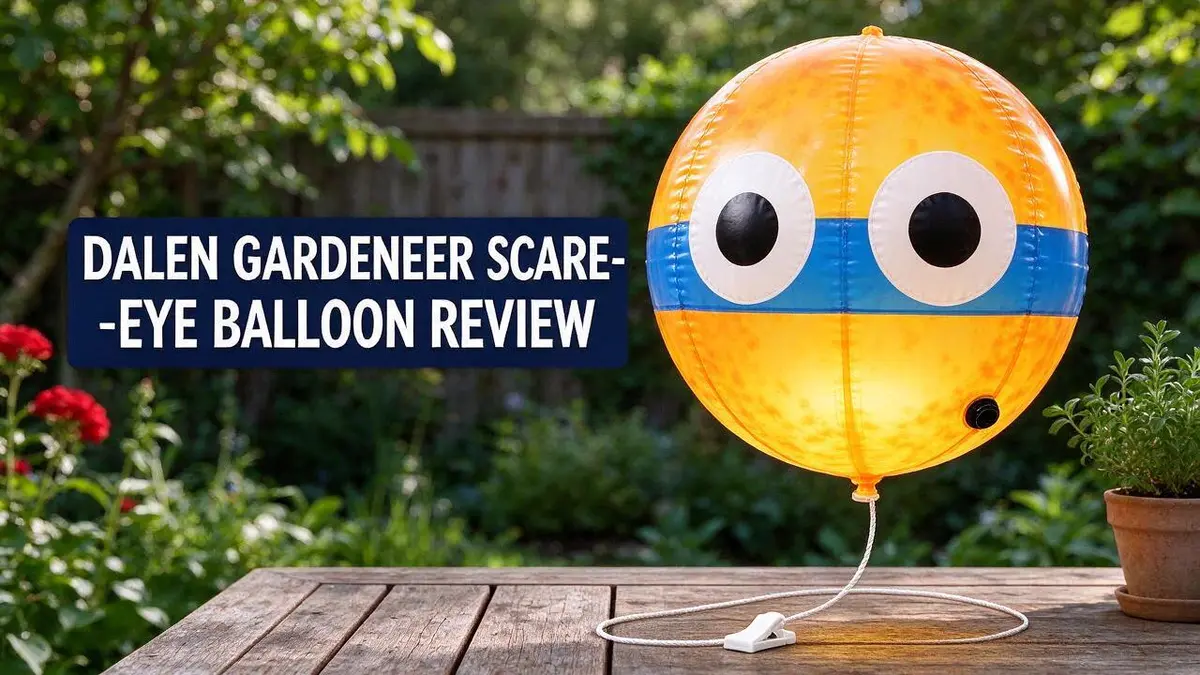
The Dalen Gardeneer Scare Eye Balloon offers a simple fix. This round balloon shows large predator style eyes. The goal is to make birds think a threat is watching them.
You can hang it from a branch, stake, or fence. Many commercial orchards and nurseries use balloons like this. Reviewers describe it as tough, long lasting, and easy to install. It also holds a 3.8 out of 4 rating at one retailer.
Still, some gardeners ask, “Does it really scare birds away?” This review looks at that question and helps you decide if this balloon fits your yard.
In a Nutshell
-
Predator eye design: The balloon shows big, bold eyes that mimic a watchful predator. Birds often avoid spots that feel unsafe.
-
Trusted by growers: Commercial orchards and nurseries use this style of scare balloon. That track record gives it real world credibility.
-
Tough build: Reviewers describe it as durable and long lasting. It should handle sun, wind, and rain through the growing season.
-
Easy setup: You can put it up in a few minutes. It needs no special tools or skills.
-
Solid shopper rating: Buyers give it 3.8 out of 4 stars. Many like how simple it is to use.
-
Honest caveat: Some people doubt how well it works. Birds can get used to a still object, so move it every few days for the best results.
Design and Size Options


Last update on 2026-11-13 / Affiliate links / Images from Amazon Product Advertising API Some of the links on this website are affiliate links, which means that at no additional cost to you, I earn a commission if you click through and make a purchase. I only recommend products and services that I believe will add value to my readers. Thank you for your support!
Size choice matters more than many buyers expect. Listings show a 42 inch version and a 2 foot version. One listing also shows a smaller 14 inch option. Check the listing before you order.
A larger balloon catches more eye from a distance. This suits big trees, wide vegetable beds, or open orchard rows. Birds in those spaces need to see the eyes from far away.
A smaller balloon fits tight spaces. Think of raised beds, small shrubs, or container plants on a patio. It also sits lighter on thin branches.
Measure the area first. Then pick the size that fills your view without blocking your plants. A good match keeps the balloon visible and your garden easy to reach.
Some sellers list the model number TE-12C. Use that code when you compare listings. It helps you confirm you get the same design each time.
Mixing sizes can also work well. Place a large balloon in the middle of a big area. Add smaller ones near the edges, where birds often land first.
Think about your local bird pressure too. Heavy seed eaters may need more than one balloon. Light visitors may only need a single balloon near the crop.
Movement adds to the effect. A light breeze makes the balloon sway and the eyes seem to shift. Move the balloon to a new spot every week or so. Birds may grow used to a fixed decoy.
Plan the placement before you hang anything. Pick a spot with clear sky above and no tangled branches below. Good placement helps the balloon work longer.
Keep an eye on the balloon over time. Check the fabric and the hanging point after storms. Replace it if the eyes fade or the shape sags.
Build Quality and Weather Durability
Build quality matters a lot for a balloon that stays outside all season. Wind, rain, and hot sun all test it over time. Good construction makes the difference between one season and many.
Sun exposure is the biggest test. Strong ultraviolet light can slowly dry out the material and fade the bold colors. Hanging the balloon where it gets some afternoon shade can help it keep its eye-catching look longer.
Wind is the next challenge. A round balloon catches gusts like a sail. Use a strong line and a secure anchor point so it does not snap free during a storm.
Rain usually does little harm. Water runs off the smooth surface. Still, let the balloon dry before you store it away.
Air fill also plays a role. A fuller balloon holds its round shape and resists wind better than a limp one. Check the fill after rough weather.
Check the seams and attachment points often. Look for small tears or loose loops. Fixing small problems early keeps them from growing into bigger ones.
Think about the surfaces around it too. Rough bark or sharp fence wire can scrape the skin. Wrap the hanging point with soft cloth or tape for extra protection.
Winter storage keeps it in shape. Bring the balloon indoors when frost or heavy snow arrives. Store it loosely folded in a dry spot away from heat.
Overall, the build holds up well for most gardens. Regular checks and smart placement help it last. A little care goes a long way, and the balloon keeps working season after season.
Bird-Deterrent Effectiveness
Here is the honest answer. The balloon may scare some birds, but it rarely stops every visitor. Results depend on the bird types in your yard and how much food they find nearby.
Birds can grow used to still objects over time. A balloon that never moves may lose its effect after a few days. Shifting its spot every week or two can help keep birds guessing.
Many gardeners see the best results when they pair the balloon with other steps. Clearing fallen fruit and spilled seed removes the reasons birds stay. Netting over tender seedlings adds a physical barrier that no balloon can match.
Expect the best results with smaller flocks in open areas. Large groups of hungry birds may ignore it after a short time. Watch your plants closely during the first two weeks so you know if it works.
Some birds may react more strongly than others. Your own observations will tell you more than any product listing can.
Keep a simple log of bird visits for a few weeks. Patterns can show which times of day cause the most damage. That knowledge helps you decide when extra steps are needed most.
Results also vary by garden size and layout. A small balloon in a large open space may not cover enough ground. Test one balloon first, then add more only if birds still return to the same beds.
Patience matters too. Some gardeners need several weeks before they see clear changes in bird activity. Think of the balloon as one tool in a larger plan.
Top 3 Alternatives
Bird-X Scare Eye
Last update on 2026-11-13 / Affiliate links / Images from Amazon Product Advertising API Some of the links on this website are affiliate links, which means that at no additional cost to you, I earn a commission if you click through and make a purchase. I only recommend products and services that I believe will add value to my readers. Thank you for your support!
Looking for a simple way to keep birds away? The Bird-X Scare Eye uses bold eye shapes that startle birds and push them out of your space. It works well on balconies, patios, and garden beds.
Place it near the area you want to protect. Move it every few days so birds do not get used to it.
Bird-X Owl Decoy

Last update on 2026-11-13 / Affiliate links / Images from Amazon Product Advertising API Some of the links on this website are affiliate links, which means that at no additional cost to you, I earn a commission if you click through and make a purchase. I only recommend products and services that I believe will add value to my readers. Thank you for your support!
The Bird-X Owl Decoy looks like a real predator. Many pest birds avoid places where an owl sits, so this decoy can guard rooftops, fences, and garden rows.
Put it in a visible spot where birds gather. Change its position often to keep the effect strong.
Bird-X Scare Tape

Last update on 2026-11-13 / Affiliate links / Images from Amazon Product Advertising API Some of the links on this website are affiliate links, which means that at no additional cost to you, I earn a commission if you click through and make a purchase. I only recommend products and services that I believe will add value to my readers. Thank you for your support!
The Bird-X Scare Tape is a reflective tape that moves in the wind. Its flashing light and flapping motion confuse birds and keep them on the move.
Hang strips around fruit trees, vegetable beds, or small ponds. This option covers more ground than a single decoy, so it suits larger yards well.
Setup and Placement Tips
Hang the balloon early in the season. Birds often choose their feeding spots in spring, so early action helps. Getting it up before the first visits sets the tone for the whole season.
Height matters more than many gardeners think. Hang the balloon so it sits just above the top of your crops. Birds notice objects that sit near their own eye level.
Choose a hanging point clear of power lines and tree limbs. A balloon caught in branches can tear or get stuck. Keep it a few feet away from ladders and walking paths too.
Watch the shadows in your garden. Tall trees or sheds can block the balloon from view for hours each day. Move it to a sunny corner where it catches light all morning.
Think about harvest days too. A balloon hung in the middle of a row can block your hands and tangle with stakes. Place it near the edges of the bed instead.
Shift its location every few weeks. Birds learn that a motionless object is harmless. Moving it now and then delays that habit and keeps the scene fresh.
After each storm, walk the garden and reset any cords that slipped. Loose cords can drop the balloon into the soil or onto a path.
Use a sturdy stake for open beds. Push it firmly into the ground so the wind cannot pull it sideways. A stake works well where branches are scarce.
Clear fallen fruit from under the balloon each week. Rotting fruit draws in other pests that can ruin the setup.
Small steps like these add up. A thoughtful spot gives the balloon its best chance to help your plants.
Best Garden and Orchard Uses
Orchards are a strong fit for this balloon. Many commercial orchards and nurseries already use eye style balloons. Growers often rely on them during the busy growing season when fruit is most at risk.
Apple, pear, and cherry trees draw hungry flocks. Each tree row can get extra protection from a balloon placed at the edge.
Wide canopy trees need more coverage than small dwarf trees. Count your trees first, then decide how many balloons fit your space.
Berry patches face a different threat. Blueberry and strawberry beds attract birds fast once the fruit turns sweet. A balloon above the bushes can add a quick layer of defense.
Seedling beds need protection too. Sprouting peas, lettuce, and sunflower seeds tempt birds in early spring. A balloon near new rows can help tender plants survive until they grow strong.
Grape growers can use it as well. Clusters ripen slowly, so one balloon can guard the crop for several weeks late in the season.
Plant nurseries have their own needs. Young shrubs and potted stock sit in open rows for months. Several balloons spread across a large area can cover more ground than a single one.
Mixed plots need a plan too. Map out which crops ripen first so the balloon covers the right beds at the right time.
Keep expectations realistic. Some sources question whether this balloon scares every bird. Treat it as one helpful tool rather than a complete fix for your fruit crops.
The balloon works best where fruit and seedlings need the most protection. Start with the zones that suffer the most bird damage each year.
Price and Value for Money
Long lasting use is the real test of a bird scare tool. The Dalen balloon earns praise for its tough build. Many gardeners say it lasts through several growing seasons.
Setup is simple and quick. You can hang it from a branch, a stake, or a fence. Most people finish the job in a few minutes, so it fits busy schedules. Just pick a sturdy hanging point in a clear, sunny spot.
Think about how often you can reuse it. A sturdy balloon can guard the same beds year after year. Store it in a dry place over winter. Then check the cords and seams each spring to keep it in good shape.
Commercial orchards and nurseries already rely on eye style balloons. That wide use suggests real trust from people who depend on their crops. Their experience shows the design can handle steady daily use in busy fields.
Results still depend on your setup. The balloon may not stop every visitor, and birds can grow used to still objects. Moving it every few weeks and pairing it with other steps can help. Think of it as one helpful tool, not a complete solution.
Comparing options also helps. The Bird X scare balloons and other 3D eye balloons offer similar features. Look closely at the eye design, the material, and how well each one stays in place. Pick the one that suits your garden size and bird pressure.
Overall, the Dalen balloon offers solid durability and simple setup. Gardeners who want a helpful, long lasting deterrent will likely feel satisfied. Those who expect a complete fix should add more protection alongside it.
Pros and Cons
Pros
– Sizes range from small to large, so you can match your garden.
– Retailers give it a 3.8 out of 4 rating from shoppers.
– Pickup at a local store is an option for buyers.
– Shoppers often find it simple to hang in many spots.
Cons
– Listed sizes vary, so check the exact diameter before you order.
– Research found few clear drawbacks, so read recent buyer reviews too.
– Gardeners should test it in their own space first.
– Results may differ by pest, so watch which visitors stay away.
Who Should Buy It
Busy home gardeners often find this balloon a good match. They want a visual deterrent without spending long hours on setup.
A small raised bed or a few tomato plants can benefit from one balloon. Place it close to the plants, where birds land first.
New gardeners also make good buyers. Many people feel unsure which pest tools work. This balloon offers a simple place to start.
People who dislike netting may prefer it. Netting can trap wildlife and take time to fit over shrubs. A hanging balloon keeps the space open and easy to walk through.
Community garden leaders can share one balloon in a group plot. Hang it where members walk past daily. A visible presence reminds everyone to check their crops.
Hobbyists who move plants often should consider it. Because the balloon hangs from a branch, stake, or fence, you can shift it to a new spot.
Families with young children should plan carefully. Balloons with bold eyes can draw curious hands. Hang it high enough that kids cannot reach it.
Gardeners who like to track results may enjoy this tool too. A simple notebook shows which pests visit and when. Those notes guide future planting and placement decisions.
Pick a sunny, open spot for best visibility. Wind may move the balloon, so check the hanging point often. Strong gusts can also loosen a tangled line.
Shoppers who expect total protection should look elsewhere. No single tool stops every bird. Pair it with other steps, like picking ripe fruit early.
Good fit or not, the choice is yours. Think about your space, your pests, and your time. Then decide if this balloon fits your garden.
Final Verdict
The Dalen Gardeneer Scare Eye Balloon is a smart first step for gardeners who want a simple bird deterrent. It uses a predator eye pattern that birds often avoid. That idea works best when you treat the balloon as one part of a plan.
Move it often. Birds learn fast, so shift the balloon every few days. A new spot keeps the eyes looking like a fresh threat.
Add movement. Wind makes the balloon sway and spin. That motion helps the eyes look alive. Hang it where breezes reach it.
Pair it with other tools. Reflective tape or a spinning pinwheel can add flash and sound. Layering several cues gives birds more reasons to stay away. Variety is your best ally.
Compare it with similar picks. Bird-X Scare Balloons and other 3D eye inflatables use the same predator idea. The Dalen option stands out for its trusted use in commercial growing spaces. That track record gives it extra credibility.
Plan for the off season. Deflate the balloon and store it somewhere dry. Good care helps it last through many harvests.
Time it well. Hang the balloon before fruit ripens. Birds form feeding habits early. Stopping a habit is harder than preventing one.
Here is the bottom line. The Dalen balloon is a practical, low effort deterrent that rewards gardeners who stay active. It will not replace every other method. It does give you a solid foundation to build on.
My recommendation: try it, rotate it, and watch how birds react. If you want a simple and proven style of scare tool, this balloon deserves a place on your shortlist.
Frequently Asked Questions
Which birds does it scare most?
Results change by species. Many pests respond to predator eyes, but some birds ignore them. Watch your garden for a week or two to see which visitors stay away.
Can I leave it outside in rain or wind?
Most balloons handle light rain well. Check the seams after strong storms for small tears. Bring it inside during heavy wind to keep it in good shape.
Is it safe around pets and wildlife?
The balloon has no harmful parts. Keep it away from pets that like to chew, since loose pieces can catch on fur or small wings. Check it often for damage.
Will it stop squirrels or rabbits?
Probably not. This tool targets birds, so squirrels and rabbits often ignore it. Use a fence or netting for those pests and keep the balloon for birds.
How do I clean it?
Wipe the balloon with a damp cloth and a little mild soap. Let it dry fully before you store it. Skip harsh chemicals, since they can fade the colors and weaken the material.

Hello, I’m Emily Price, the founder of Birds Affection. As a passionate bird enthusiast and spiritual seeker, I’ve always been fascinated by the symbolic meanings and mystical connections between birds and our lives. On this website, I share my knowledge and insights on the spiritual significance of various bird species, exploring their roles as messengers, guides, and teachers. Through my writing, I aim to inspire and educate others on the profound wisdom and beauty that birds bring to our world. Join me on this journey as we delve into the enchanting realm of bird symbolism and discover the hidden meanings behind these magnificent creatures.