
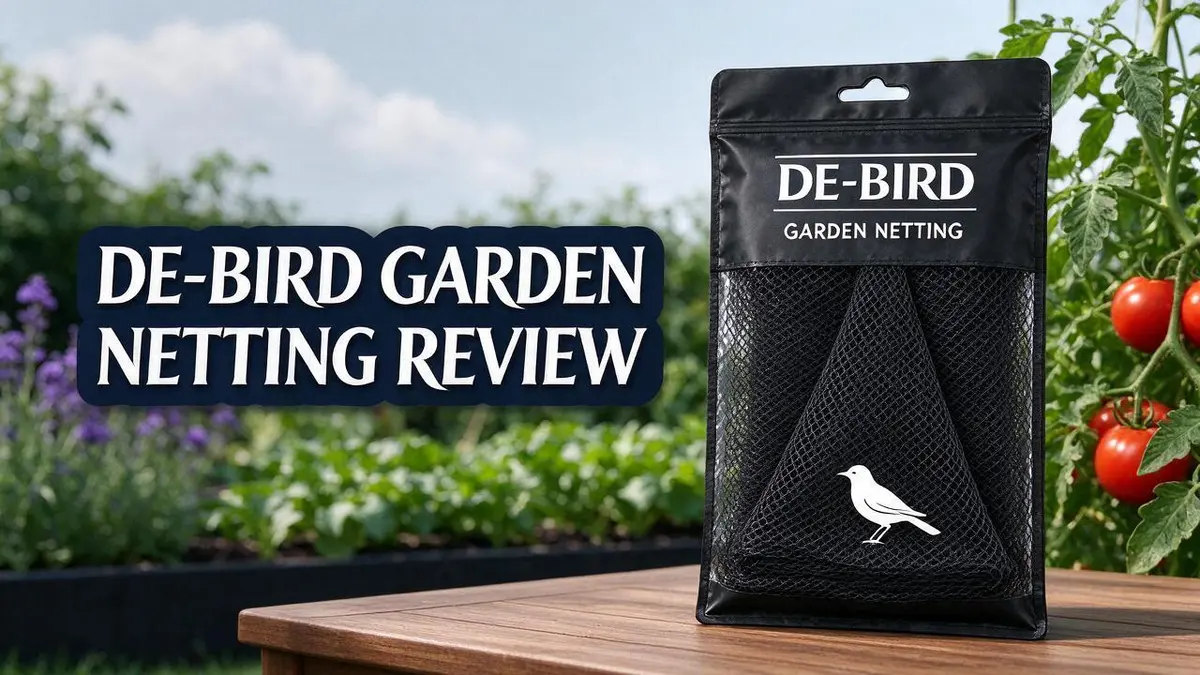
De Bird Garden Netting Review: Is It Worth It in 2026?
Birds can wreck a garden in a single morning. They peck ripe fruit, nibble young shoots, and leave your hard work in pieces. De Bird Garden Netting offers a simple fix. This six pack comes in white with a circular pattern or green with clear plastic draws.
The netting aims to protect plants and fruit while letting air and sunlight through. Bird netting like this is also light and easy to handle.
But not every net works the same way. UV protection, mesh size, and bird safety all matter. This review looks at each point so you can choose with confidence.
In a Nutshell
- Pack and colors: You get a six pack of netting. It comes in white with a circular pattern or green with clear plastic draws.
- Mesh size: The research does not state the mesh size. Check it before you buy, because size decides which birds stay out.
- Mesh trade offs: Large holes let small birds slip through. Very tight holes can block sunlight and water from your plants.
- UV protection: Netting without UV treatment turns brittle over time. We could not confirm UV treatment for this product, so ask the seller.
- Care and safety: The netting needs periodic cleaning. Loose netting can also trap birds, so pull it tight and secure at every edge.
- Alternatives: Competitors include ShrubGuard with UV stabilized HDPE mesh, DeWitt Deluxe Bird Barricade, and the YATHO Garden Mesh Netting Kit with hoops and clips. Compare them before you decide.
Mesh Size and Bird Exclusion Effectiveness

Last update on 2026-11-13 / Affiliate links / Images from Amazon Product Advertising API Some of the links on this website are affiliate links, which means that at no additional cost to you, I earn a commission if you click through and make a purchase. I only recommend products and services that I believe will add value to my readers. Thank you for your support!
Mesh size decides who gets in. A net with small gaps keeps most birds out. The research does not give the exact size for this product, so you should check it yourself.
Grab a ruler and measure one open square. Many small birds, such as sparrows, can squeeze through openings wider than about half an inch. So a tight gap matters more than the net’s color or packaging.
Look at the net stretched flat, not folded. Gaps can look small in the package but open up once the netting sits over hoops. Measure again after you stretch it.
Bird exclusion also depends on how you secure the edges. Loose edges let birds slip underneath. Use clips or pegs to close every gap along the bottom.
The white circular pattern and green clear draws may look different. However, looks do not prove how well birds stay out. Watch the garden for a few days after setup. If birds peck through a corner, tighten that spot or add a second layer.
Keep the net taut so birds cannot get tangled. Sagging netting can trap birds and cause injuries, so avoid loose folds. Leave a little space between the net and the crop for safer coverage.
Check the gaps often. Wind and weather can shift the netting over time. A quick weekly look helps you spot loose spots early. That habit keeps birds out and protects your harvest.
Mesh size also affects airflow. Tighter mesh blocks more sun and water, so balance is key. Pick a net that protects your plants without starving them of light. Small changes make a big difference here.
Material Quality and UV Resistance
Material quality shapes how long your netting lasts in the garden. The research does not name the fiber type for this product. Check the packaging so you know what you are getting.
Sunlight works like slow damage. Its ultraviolet rays break down plastic fibers little by little. Every season adds more stress to the mesh.
Look for words like UV stabilized or UV treated on the label. These terms show the maker added a sun shield. Plain netting lacks that protection.
Feel the fibers with your hands. Stiff, chalky strands often signal sun damage. Soft, flexible strands usually mean the net still has strength.
Tear strength matters just as much. A net that rips in a light breeze lets birds through. Pull a small section gently between your fingers. It should stretch a little and bounce back.
Try a simple home test. Place a small scrap outside in full sun for several weeks. Then check whether it cracks when you bend it.
Watch for fading or yellow patches. These spots show where sunlight hit hardest. Replace any section that looks pale or thin.
Store unused netting in a dry, dark place. A hot shed or a sunny fence can weaken fibers before you even install it. Keep the roll covered and handle older pieces gently.
Quick tip: Choose netting with clear UV protection and flexible fibers. Test it before installation. Keep a spare piece on hand for quick repairs. This simple check helps your plants stay safe all season long.
Sunlight, Airflow, and Water Penetration
Sunlight is the first thing to check. Plants need steady light to grow strong fruit. The netting claims to let sunlight through, but the research does not measure how much passes.
Test it yourself on a bright day. Hold a sheet of white paper under the net. If the shade looks light and even, the net lets enough light through.
Airflow keeps plants healthy. Moving air dries leaves after rain and dew. Dry leaves resist mold and other common problems. Wet, still air around plants invites trouble.
Tight netting can trap heat. Heat builds under a dense cover on warm afternoons. Raise the net a little off the plants. Gaps at the sides let hot air escape and cool air enter.
Water must reach the roots. Rain needs to fall through the net and soak the soil. Fine mesh can hold droplets on its surface, so less water gets through. Check the soil after a storm.
Watering needs a simple plan. Sprinklers and hoses can be used under the net. Aim the spray low, near the soil. Lift the edge briefly if you need a heavy soak.
Pooling water adds weight. Water collects in sagging spots after heavy rain. The extra weight can stretch the net and tear the mesh. Smooth out sags so water runs off.
Think about your plant type. Leafy greens handle some shade well. Fruit trees and tomatoes that love full sun need more light. Choose a net setup that fits what you grow.
Balance is the goal. Light, air, and water should all reach your plants. Test the net each season and adjust the setup as the weather changes.
Top 3 Alternatives
Looking for a different way to protect your garden? These three options offer useful alternatives to traditional netting.
Bird-X Bird Netting

Last update on 2026-11-13 / Affiliate links / Images from Amazon Product Advertising API Some of the links on this website are affiliate links, which means that at no additional cost to you, I earn a commission if you click through and make a purchase. I only recommend products and services that I believe will add value to my readers. Thank you for your support!
Bird-X Bird Netting gives gardeners a simple way to keep birds away from fruit and vegetables. The mesh is lightweight and easy to lay over raised beds or small trees. Most gardeners find it stays in place with basic stakes or clips.
It works well for berry bushes and vegetable patches. You can also cut it to size without special tools. This makes it a flexible choice for many garden layouts.
Bird-B-Gone Netting

Last update on 2026-11-13 / Affiliate links / Images from Amazon Product Advertising API Some of the links on this website are affiliate links, which means that at no additional cost to you, I earn a commission if you click through and make a purchase. I only recommend products and services that I believe will add value to my readers. Thank you for your support!
Bird-B-Gone Netting offers a fine mesh that blocks larger birds. Its tight weave helps protect seedlings and fruit trees from pecking. Gardeners often choose it when they need a longer-lasting barrier.
Setup takes only a few minutes. Pull the net tight so birds cannot slip underneath. Check the edges now and then to keep the coverage secure.
Bird-X Scare Eye


Last update on 2026-11-13 / Affiliate links / Images from Amazon Product Advertising API Some of the links on this website are affiliate links, which means that at no additional cost to you, I earn a commission if you click through and make a purchase. I only recommend products and services that I believe will add value to my readers. Thank you for your support!
Bird-X Scare Eye takes a different approach. Instead of a net, it uses a reflective eye design to deter birds. The shiny surface moves in the breeze and creates flashes of light.
This option suits people who want a netting-free solution. Hang it near crops, fruit trees, or balcony plants. Move it every few weeks so birds do not get used to it.
Ease of Installation and Coverage
Setting up bird netting should feel simple. Most gardeners want a quick job that works the first time. Start by measuring your bed or row before you open the package.
Lay the net flat on the ground first. Spread it out so it covers the whole area. Then drape it over hoops or stakes. Light netting is easier to lift, so one person can often handle a small bed alone.
Coverage needs extra care at the sides. Birds can slip under a short edge, so let the net reach past the outer plants. Leave a little slack at the top so the fabric drapes without pulling on stems.
Securing the edges takes the most time. Use clips, pegs, or bricks to hold the bottom edge against the soil. Work slowly around the corners because they often pull loose first.
Larger beds need more support. The YATHO Garden Mesh Netting Kit covers 8 by 26 feet and includes six hoops and twelve clips. That setup helps you build a frame without hunting for extra parts.
Think about access too. Gardeners often need to reach plants for harvest or weeding. Set up the net so one section lifts easily. A loose side you can roll back saves time on busy days.
Measure twice before you cut or fold anything. Once the net takes a shape, it is harder to adjust. Keep spare clips in one box so they stay easy to find.
After setup, walk the perimeter every few days. Lift a corner to check for trapped leaves or gaps. Wind can lift loose edges, so tighten the clips after storms.
Wildlife Safety and Bird Entanglement Risks
Bird entanglement is the biggest safety concern with garden netting. Birds can fly into loose folds and get stuck. Some stay caught for hours before anyone notices.
Research on Bird B Gone style netting reports trapped and injured birds. This shows that the risk is real. Not every net is built the same way.
Birds also face danger from the net itself when they fly at speed. A sagging net can wrap around wings and legs. Pulling free often causes deeper cuts.
Wildlife safety goes beyond birds. Small mammals, lizards, frogs, and snakes can also crawl into loose netting. Once inside, they often panic and tangle further.
Keep netting away from ponds where frogs and toads gather. Animals drawn to water can get caught along the edges.
Always look under the net before you close it up. A hedgehog or toad may already be inside. Gently lift the edge and let it leave on its own.
Timing matters too. Install netting only when fruit starts to ripen or seedlings need protection. Leaving it up all year raises the chance of unnoticed entrapment.
Check for birds in the morning too. Trapped birds often stay still from stress. Approach slowly, avoid grabbing, and call a local wildlife rescue group for help.
Use gentle handling if you find an animal caught. Wear gloves, cover the animal with a towel, and cut the mesh away from wings or legs. Never pull hard, since that can cause injuries.
Good planning prevents most problems. Choose a net that suits your garden size, remove it after harvest, and keep a rescue contact saved on your phone.
Durability, Cleaning, and Seasonal Storage
Durability starts with the material. UV treated plastic handles summer sun far better than plain plastic. The research does not confirm that this set has UV protection, so read the packaging first.
Look at the hoops and clips too. Plastic clips can snap in cold weather, and metal hoops may rust. A kit like the YATHO set includes twelve clips, which helps when one breaks.
Clean the netting every few weeks. Dust, pollen, and wet soil cling to the mesh. Use a garden hose with a gentle spray. Add a little mild soap for stubborn grime.
Scrub gently with a soft brush. Stiff bristles can tear thin fibers. Rinse well so no soap residue stays on the mesh. Let it dry in the shade.
Dry the net completely before storage. Damp netting grows mildew and smells sour. Shake out leaves and check each section for small tears.
Mend small tears right away. Strong thread and a simple needle work well. Small holes often grow into large gaps after one windy season.
Fold the net loosely for winter. Sharp creases weaken fibers over time. Rolling the net around a cardboard tube keeps it flat and ready for spring.
Label each bundle with the year. Clear labels speed up setup next season. You can also note any repairs you made.
Inspect the net before each season. Look for thin spots, faded areas, and loose stitching. Replace sections that feel stiff or brittle, since weak netting may fail under heavy leaves or snow.
Compare the material with other brands. ShrubGuard lists UV stabilized HDPE netting, a material made for sun exposure. Bird B Gone and DeWitt Deluxe Bird Barricade offer other choices to weigh.
Pros and Cons
Pros
- Lets air and sunlight reach your plants while blocking birds.
- Comes as a six pack, so you can cover several beds or rows.
- Offers white or green netting to match your garden look.
- Keeps birds away from ripening fruit before you can pick it.
- Feels light enough for one person to carry and hold.
Cons
- The mesh size is not stated, so small birds may still slip through.
- Tight mesh can block sunlight and water from reaching your plants.
- The listing does not confirm UV protection for this net.
- Competitors like ShrubGuard list their mesh size clearly, which this product lacks.
Who Should Buy It
Home gardeners with a few berry bushes or small fruit trees will find this netting useful. Many people grow blueberries, raspberries, or strawberries in backyard beds. This pack suits small plots well.
New gardeners often feel unsure about bird control. This kit offers a simple starting point. You can learn how birds behave around your crops and adjust as the season goes on.
Growers with raised beds or vegetable rows also fit the profile. A six pack lets you cover several beds at once. You can move sections around when crops change. This flexibility helps busy households.
Gardeners who want a brief season of cover will like this option. Use it during one harvest period, then pack it away. Those who plan to keep netting up for years may want sturdier gear.
Patio gardeners with container plants may need another approach. Loose netting can sag and tangle around pots. A rigid cage often works better in tight outdoor spaces. Balcony growers also lack room to store bulky frames.
Families with young children should plan carefully. Loose sections can wrap around small arms or legs. Keep the net pulled tight and staked firmly.
Skip this product if you need heavy protection from large birds like crows or pigeons. Those birds can push through lighter mesh. Shoppers who want exact measurements may prefer a clearer listing.
If you grow a few plants and check them often, this netting fits your needs. Think about your space, your pest problems, and your comfort with setup before you decide.
Final Verdict
De-Bird Garden Netting earns a cautious yes from me. It does the basic job of keeping birds off your plants. It works best as a simple fix for small garden spaces.
The missing details hold it back. The listing gives no clear mesh size or UV claim. That makes long seasons a small gamble.
Buy it if you want light cover for a few beds. Check the net every few days. Remove it once the harvest ends.
Think twice if you face crows, pigeons, or other large birds. Think twice if you want a net that lasts many years.
Wildlife safety matters too. Reports of trapped birds exist for other brands like Bird B Gone.
Pull the net tight and pin the edges to the ground. Loose netting can tangle wildlife. Look it over each morning.
If you want more certainty, compare these options.
ShrubGuard 1/2″ Mesh Netting
This choice lists its mesh size and UV stabilized HDPE material. It suits gardeners who want clear specs.
YATHO Garden Mesh Netting Kit
This kit adds hoops and clips for support. It suits gardeners who want a ready made frame.
DeWitt Deluxe Bird Barricade
This brand deserves a look if bird pressure runs higher in your yard. Check its details before you buy.
My bottom line: this is a decent starter net for casual gardeners. Serious growers should choose a net with listed specs.
Set your expectations before you order. Expect a basic barrier, not a lasting system. Test one bed first, then cover the rest once the net proves itself.
Watch how birds react in the first week. Adjust the net if you spot gaps.
Frequently Asked Questions
Can bees reach flowers under this netting?
Bees need open access to flowers for pollination. Lift the netting when flowers open, then cover the plants again once fruit starts to form. This timing protects your harvest and keeps your bee helpers busy.
How often should I check the net for trapped wildlife?
Check the net every morning and evening. Birds, frogs, and small mammals can get caught in loose folds. Free any animal gently and fix the gap right away. A quick look at each corner helps you spot trouble early.
Where should I store the net after the season?
Shake off dirt and let the net dry fully before storage. Fold it loosely and keep it in a dry box. Mice love nesting in old netting, so seal the box tightly. Label the box with the year so you know when to replace it.
Can I reuse the hoops and clips for other projects?
Yes, hoops work well for row covers or frost protection. Clips can hold small plant ties or tomato supports. Keep the parts together in one bag so nothing goes missing. Store them in the same box as the net.
How do I know the net fits my plants?
Measure your bed length and height first. Choose a net that reaches the ground on all sides. A short net leaves gaps where birds can sneak in. Add extra length at the corners so you can tuck the edges under easily.

Hello, I’m Emily Price, the founder of Birds Affection. As a passionate bird enthusiast and spiritual seeker, I’ve always been fascinated by the symbolic meanings and mystical connections between birds and our lives. On this website, I share my knowledge and insights on the spiritual significance of various bird species, exploring their roles as messengers, guides, and teachers. Through my writing, I aim to inspire and educate others on the profound wisdom and beauty that birds bring to our world. Join me on this journey as we delve into the enchanting realm of bird symbolism and discover the hidden meanings behind these magnificent creatures.