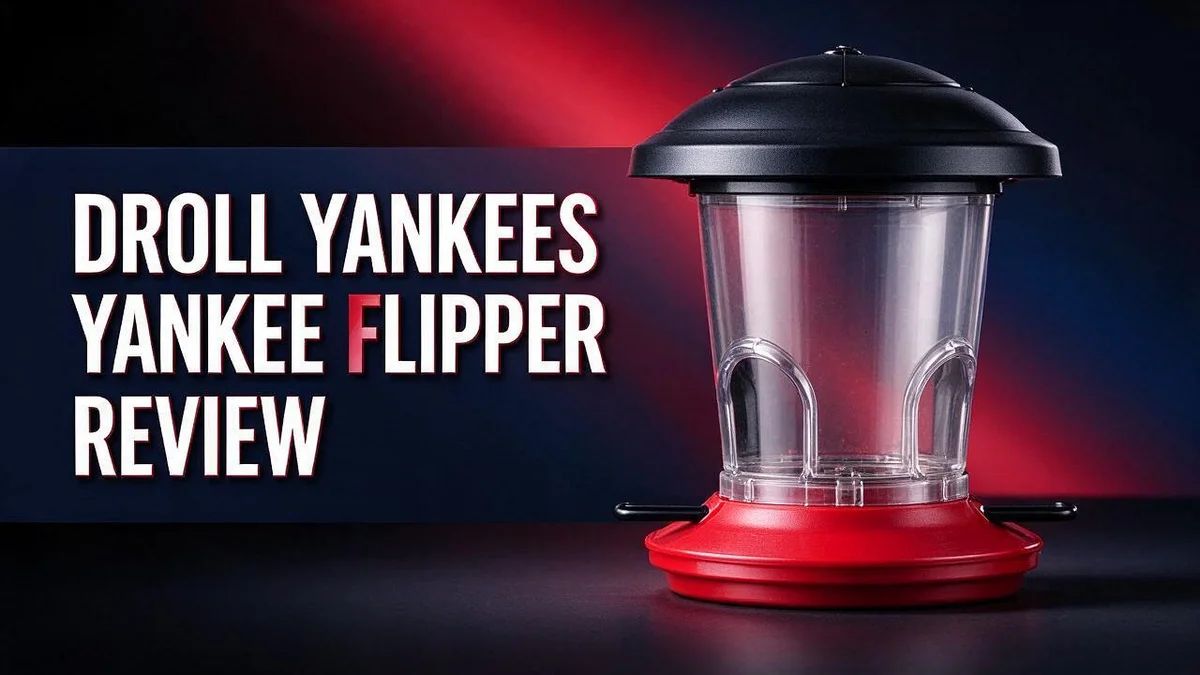
Droll Yankees Yankee Flipper Review 2026: Does This Really Work?
Squirrels raid bird feeders every single day. They empty the seed fast and leave your birds hungry. Sound familiar?
The Droll Yankees Yankee Flipper aims to fix that problem. This motor driven, weight activated feeder spins squirrels right off the perch.
Birds still get a seat at the table. The rotating perch is calibrated to hold large birds like cardinals and woodpeckers. Most reviews say it keeps squirrels out and saves seed. The rechargeable YF-M model also draws attention. Some users report battery and replacement part issues after a few years.
In a Nutshell
- How it works: A small motor spins the perch when a heavy visitor lands. The squirrel gets flipped off and slides away from the seed.
- Smart weight setting: The perch is calibrated to stay still for larger birds like cardinals and woodpeckers. Those birds can eat in peace.
- Power source: The YF-M model is rechargeable. You skip disposable batteries, but you need to keep it charged.
- Brand reputation: Droll Yankees tube feeders have a reputation for lasting 20 years or more. Metal ports and a squirrel damage warranty back up that story on those models. The research does not confirm the same warranty for the Flipper.
- Possible downsides: Some owners report battery trouble after a few years. A few also mention problems finding replacement parts.
- Who it suits: This feeder fits backyard birders who battle persistent squirrels. It works best if you don’t mind basic upkeep on the motor and battery.
Squirrel-Proofing Mechanism and Effectiveness


Last update on 2026-09-13 / Affiliate links / Images from Amazon Product Advertising API Some of the links on this website are affiliate links, which means that at no additional cost to you, I earn a commission if you click through and make a purchase. I only recommend products and services that I believe will add value to my readers. Thank you for your support!
Squirrels are clever, so the mechanism matters a lot. The feeder responds to weight, not just motion. When a squirrel grips the perch and reaches for seed, the spin throws it off balance. Many squirrels then give up after a few tries.
Effectiveness depends on how the squirrel approaches. A squirrel that leaps from a nearby branch may land on the feeder cage instead. Placement helps here. Mount the feeder on a pole away from trees, and clear any branches that bridge the gap.
Think of the spin as a lesson the squirrel learns quickly. After a few failed attempts, many animals stop trying. Your yard may see fewer visits over time, though a very determined animal may still test it.
Keep expectations realistic. No device blocks every squirrel every time. Lightweight visitors, such as small songbirds, may not trigger the spin at all. Heavier birds should feel secure enough to feed.
Watch the feeder during the first week. You will see how squirrels respond. Some animals retreat right away. Others keep returning to test the spin. Both reactions are normal, and both teach you something about your yard.
Mounting height also matters for success. Many owners place the feeder on a sturdy pole away from fences and low limbs. This setup keeps the perch out of easy reach.
Overall, the mechanism works well for many yards. Results vary from one garden to the next.
Design, Build Quality and Materials
Design starts with one clear goal. The Yankee Flipper centers on a rotating perch. Almost every other part supports that simple action.
The feeder must handle rain, wind, and sun all year. Outdoor parts face constant weather, so the build needs to hold up over time. Look closely at the seams and moving parts before you decide.
Materials matter more than many people expect. Droll Yankees is known for metal ports on its tube feeders. The research does not confirm that the Flipper uses the same metal parts, so check the product details for exact material specs.
The rechargeable YF-M model adds an electrical part to the design. Motors and batteries need protection from moisture. A tight, sealed housing keeps water away from the electronics and helps the unit last longer.
Replacement parts deserve attention too. Some owners report problems with replacement parts after a few years. Easy access to spare parts can keep your feeder working longer than expected.
Cleaning is another design point to consider. A feeder that comes apart easily makes cleaning faster and more thorough. Look for parts you can remove without special tools.
Overall, the Yankee Flipper shows a thoughtful design for its purpose. The materials look promising, but the available information leaves some gaps. A quick check of the product details will give you the clearest picture.
Seed Capacity and Feeding Performance
Seed capacity is a key question for busy feeders. The product title lists a 5 lb capacity, yet the research does not confirm that number. Check the official specs so you know what to expect.
Capacity also shapes how often you refill. A larger supply means fewer trips outside, especially during cold winter months. Small songbirds like chickadees and finches can empty a busy feeder fast. Keep a backup bag of seed nearby.
Feeding performance depends on who visits the perch. Heavier birds may trigger the perch more reliably. Lighter visitors may hesitate or wait for a turn, so they feed less often. Watch your yard for a few days to see which species feed most.
Seed type and weather also shape the results. Dry seed flows through the openings more smoothly than damp mixes. Check the tray after rain and remove any clumps.
Portion control matters too. Filling the tray to the top can waste seed when birds scatter it. Adding smaller amounts more often keeps the food fresh and reduces spills on the ground below.
Good placement helps feeding results. Set the feeder where birds can reach it easily and see nearby cover. Many birds feel safer near shrubs, so they visit more often.
Finally, track your refill days in a notebook. Patterns show how much seed your flock really eats each week.
Top 3 Alternatives
Brome Squirrel Buster Plus

Last update on 2026-07-01 / Affiliate links / Images from Amazon Product Advertising API Some of the links on this website are affiliate links, which means that at no additional cost to you, I earn a commission if you click through and make a purchase. I only recommend products and services that I believe will add value to my readers. Thank you for your support!
This feeder keeps squirrels away with a sturdy wire cage. Small birds can slip through the openings and reach the seed. Squirrels, however, find it very hard to get at the food. Many bird lovers choose it for steady, reliable protection. It also holds a good amount of seed, so you refill it less often.
Droll Yankees Dome Feeder
Last update on 2026-09-13 / Affiliate links / Images from Amazon Product Advertising API Some of the links on this website are affiliate links, which means that at no additional cost to you, I earn a commission if you click through and make a purchase. I only recommend products and services that I believe will add value to my readers. Thank you for your support!
This feeder uses a clear dome to cover the seed. Birds can see the food from every side, and the dome keeps rain off the seed. It also has a wide perch where birds can rest while they eat. Squirrels may still try to reach it, so hang it away from fences and branches they can jump from.
Perky-Pet Squirrel-Be-Gone

Last update on 2026-08-28 / Affiliate links / Images from Amazon Product Advertising API Some of the links on this website are affiliate links, which means that at no additional cost to you, I earn a commission if you click through and make a purchase. I only recommend products and services that I believe will add value to my readers. Thank you for your support!
This feeder works with a simple weight system. When a squirrel climbs on, the perches close and the seed stays locked away. Lighter birds can still land and feed with no trouble. The easy design also makes cleaning quick, which helps keep your birds healthy.
Bird Species Attracted and Perch Calibration
Your feeder guests shape your results. The Yankee Flipper draws a mix of visitors, and each species behaves a little differently. Knowing your local birds helps you get the most from it.
Larger perching birds usually feel comfortable on this feeder. They land, grip the perch, and feed with ease. Many backyard birders enjoy watching these regular guests during morning hours.
Smaller songbirds may act differently. Lighter visitors often test the perch first, then decide to stay or leave. Their careful approach can teach you a lot about how the feeder moves.
Watching closely reveals each species’ habits. Sit near a window during quiet times of the day. Count how many birds land and how long they stay.
Simple tip: Keep a short list of the species you see. Over time, the list shows which birds prefer this feeder and which ones skip it.
Local conditions also play a role. Birds in dense woods may find the feeder quickly. Birds in open yards may need more time to notice it.
Seed choice changes the mix of guests too. Black oil sunflower seed draws a wide range of common backyard species. Try it first if you want the broadest variety of visitors.
Give it time. Some species arrive only after a few weeks. Patience helps you see the full range of birds that your yard can attract.
Motor, Rechargeable Power and Battery Reliability
The Yankee Flipper relies on a motor to turn its rotating perch. That motor needs steady power to stay reliable. The YF-M model uses a rechargeable battery, so you avoid buying disposable cells every few weeks.
Motor use drains power faster than many people expect. A busy yard with frequent squirrel visits means more spins. More spins mean more battery use. This adds up over a long summer.
Charging works best as a simple routine. Pick a fixed day each week to check the battery level. Charge it before it runs low so the perch keeps moving when you need it most.
Battery reliability deserves a close look. Some users report battery problems after a few years of use. A weak battery often shows up as a slow or stalled spin. Act fast when you notice this change.
Cold weather can also reduce battery performance. Bring the battery indoors during freezing spells if you can. Store it somewhere dry and mild when you are not using it.
Lighter visitors may not trigger the motor the same way heavier birds do. Watch whether the perch moves for every guest. Frequent missed spins can point to a power problem.
Plan a backup for busy seasons. Keep a spare charged battery nearby if your feeder sees heavy use. Replacement parts can take time to arrive, so order early. A simple backup plan keeps your feeder running all year.
Setup, Filling and Cleaning
Setting up the Yankee Flipper takes only a short while. Pick a spot with open sky and a clear view from your window. Then hang or mount the feeder on a pole that stands firm in the ground.
Keep the feeder away from fences, decks, and tree limbs. Squirrels use these as launch points. A clear gap gives the spinning perch a better chance to work as intended.
Filling is simple but needs a careful eye. Open the seed cover and pour seed into the tray or hopper. Do not overfill the reservoir, since wet seed can spoil fast.
Check the seed level each time you fill the feeder. Look for clumps or damp spots too. Clear out old seed first, then add fresh seed. Fresh seed keeps birds coming back.
Cleaning keeps the feeder safe for birds. Take the feeder apart every two weeks in warm weather. Wash each part with warm water and a mild soap, then rinse well.
Use a brush to reach the corners where mold can hide. Let every piece dry fully in open air before you reassemble it. Damp seed can carry bacteria that harm birds. Never use bleach, since residue can harm birds too.
Wipe the perch and cover often. Spilled seed and droppings build up quickly. A quick weekly wipe prevents most problems and keeps your yard looking neat.
Wear gloves when you clean the feeder. Rinse your hands well after the job. Keep cleaning supplies stored away from the feeder. Good habits protect both you and your feathered visitors.
Durability, Warranty and Replacement Parts
Durability matters a lot for any outdoor feeder. The Yankee Flipper faces rain, sun, and snow all year long. Good build quality helps it last through many seasons.
Most weather damage comes from sun and moisture. Strong sunlight can fade colors and make plastic brittle over time. Rain and snow can also cause rust on metal hardware.
Droll Yankees has a strong reputation for its tube feeders. Reports say those models can last 20 years or more. Many use metal ports that resist chewing squirrels.
Warranty coverage is a key question for shoppers. The brand’s tube feeders reportedly carry a lifetime squirrel damage warranty. That coverage has not been confirmed for the Flipper, so check the current terms directly with the manufacturer.
Replacement parts deserve attention too. Some owners report problems getting parts after a few years. A worn perch or seed cover can stop the feeder from working well.
Protect your feeder with a few simple habits:
- Keep the manual and proof of purchase in one folder.
- Inspect the perch and seed cover for cracks each season.
- Order spare parts early, before a failure leaves you stuck.
- Contact customer support quickly if something breaks.
Good care extends the life of any feeder. Store the feeder in a dry place during harsh winter months. Avoid harsh chemicals that can weaken plastic over time. A quick check each spring catches small problems early.
Pros and Cons
Pros
- Most owners say it keeps squirrels away from the seed.
- Seed lasts longer when squirrels stay out of the feeder.
- Large birds like cardinals and woodpeckers can perch on it comfortably.
- The rechargeable YF-M model means fewer trips to buy new batteries.
- Watching squirrels get turned away makes the yard fun for the whole family.
Cons
- Motor noise can be noticeable near a quiet window.
- Determined squirrels may still test the feeder with big jumps.
- Independent long-term test data is limited, so results can vary.
Who Should Buy It
This feeder suits people who feel tired of losing seed to squirrels. It works well for anyone whose yard turns into a daily squirrel buffet. Many homeowners reach this point after a few hungry seasons.
Bird fans who want bigger visitors will also find it useful. Cardinals and woodpeckers are the main draw. Smaller birds may still visit, though they might use it less.
Beginners who enjoy watching birds up close often do well here. Front row views make it easier to learn each species.
Shoppers who want a simple feeder with no moving parts may prefer a basic tube model. Fewer parts can mean fewer things to check. That choice suits people who want a low effort routine.
Gardeners who want more life in their outdoor space can benefit too. A steady flow of visitors adds movement and color to a garden view.
Anyone with a sturdy pole and an open yard gets the most from this feeder. A stable mount helps the mechanism work as intended. Yards with heavy shade or crowded trees may need a different plan.
Nature lovers who keep a simple feeding log can track which birds return most often. Seeing patterns over a season makes the hobby more rewarding.
In short, this feeder fits bird lovers who battle squirrels every day. It rewards patience and a willingness to check on the feeder regularly. Those who want a set it and forget it option should look elsewhere.
Final Verdict
The Droll Yankees Yankee Flipper earns a solid recommendation from me. It tackles a common backyard problem with a clever idea. Squirrels get spun off, and the birds keep eating in peace.
The overall picture looks positive. Most reviewers praise how well it handles squirrels. The Droll Yankees name also adds confidence, because the brand has a long history with feeders.
A few points call for honesty. Some owners report battery trouble and part problems after several years. Independent long term testing is also thin. I see this feeder as a smart pick with a small risk.
Here is my simple decision guide:
- Buy it if squirrels raid your feeders every single day.
- Buy it if you like a feeder that adds a little action to your garden.
- Skip it if you want a feeder you can hang and forget.
Think about your own yard before you decide. A feeder works best when it matches your habits. Some people love gadgets, and others prefer simple tools.
If you choose the Flipper, give it a good start. Mount it securely and check the battery from time to time. Save your paperwork in a safe place.
Those small steps help you get the most from it. You spend less time chasing squirrels and more time enjoying your visitors.
The Yankee Flipper is a thoughtful, well liked feeder that rewards owners who give it a little care.
Frequently Asked Questions
Where should I place the Yankee Flipper for the best results?
Keep the feeder away from tree branches, roofs, and fence tops. Squirrels use these spots as launch pads to reach the feeder. Open space around the feeder also gives the perch room to spin freely.
How often should I clean the feeder?
Empty old seed and wipe the perch every few weeks. Damp or spoiled seed can grow mold, which can make birds sick. Regular cleaning keeps your visitors healthy.
What seed works best in this feeder?
Black oil sunflower seed is a favorite for cardinals and woodpeckers. Avoid cheap mixes with lots of filler seeds. Birds often toss filler seeds onto the ground, so your seed goes to waste.
Can I keep the feeder running in winter?
Yes, many owners keep it filled during cold months. If your model uses a battery, charge it before freezing weather arrives. A fresh charge helps the mechanism work when birds need food most.

Hello, I’m Emily Price, the founder of Birds Affection. As a passionate bird enthusiast and spiritual seeker, I’ve always been fascinated by the symbolic meanings and mystical connections between birds and our lives. On this website, I share my knowledge and insights on the spiritual significance of various bird species, exploring their roles as messengers, guides, and teachers. Through my writing, I aim to inspire and educate others on the profound wisdom and beauty that birds bring to our world. Join me on this journey as we delve into the enchanting realm of bird symbolism and discover the hidden meanings behind these magnificent creatures.