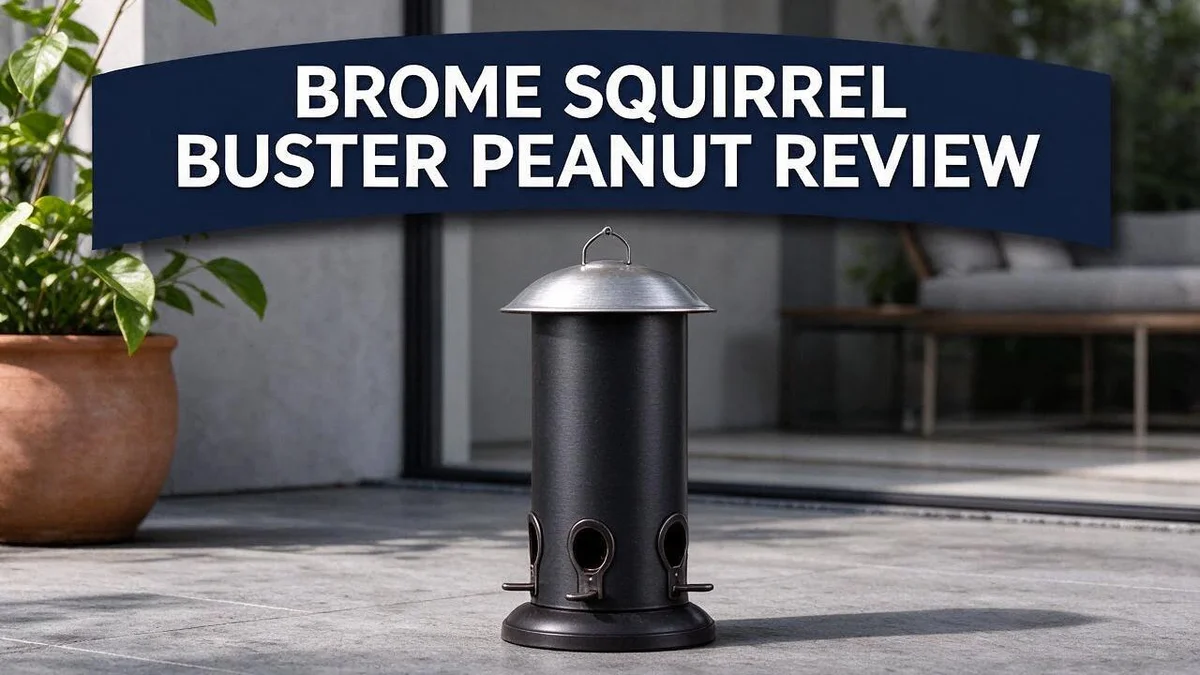
Brome Squirrel Buster Peanut Review: Does This Really Work?
Squirrels love peanuts. That makes feeding birds a real headache. You fill the feeder, and a furry thief empties it in minutes.
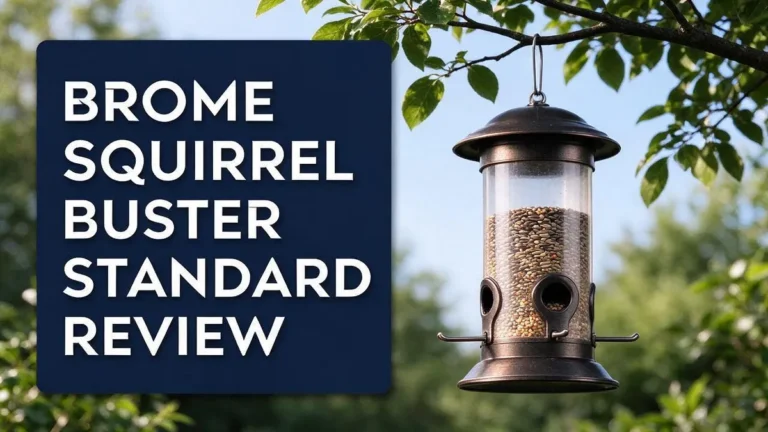
The Brome Squirrel Buster Peanut aims to fix that problem. This nut feeder has solid metal construction and a patented design that keeps squirrels out.
It holds hulled peanuts, and it also works with mealworms, nuts, and dried or fresh fruit. Two interchangeable meshes let you switch foods. Blue jays visit it often.
In a Nutshell
- Solid metal build: The feeder uses solid metal construction. That gives it a sturdy feel and helps it handle daily use in all weather. Many owners also like the patented design from JCS Wildlife.
- Two interchangeable meshes: You can swap meshes to match the food you offer. This gives you flexible feeding through the seasons. A Peanut Plus variant also exists if you want another option.
- Clean operation: The feeder keeps the ground below tidy. You get no mess and no landscape damage under your feeding station.
- Bird visitors: Blue jays visit the peanut version often. They add color and lively action to your yard.
- Weak spots: Raccoons can still damage the feeder. Cracked peanuts may fall out when birds peck. One reviewer says starlings and grackles are not blocked, and heavy cowbirds may affect it.
- Alternatives: The Brome Solutions 200 is one option, and one Reddit user prefers it over other Brome feeders. The Duncraft Bird Safe Arch Platform Feeder offers a covered tray.
Squirrel-Proofing Effectiveness

Last update on 2026-11-05 / Affiliate links / Images from Amazon Product Advertising API Some of the links on this website are affiliate links, which means that at no additional cost to you, I earn a commission if you click through and make a purchase. I only recommend products and services that I believe will add value to my readers. Thank you for your support!
Squirrel proofing is the real test for any peanut feeder. Squirrels are clever, and they often find a way around weak designs. This feeder takes a different approach, backed by a patent from JCS Wildlife.
The patent matters for a simple reason. It suggests the design was planned from the start, not added as a quick fix.
That gives shoppers more confidence, especially in yards with heavy squirrel traffic.
Not every bird stays away, though. Some users believe cowbirds may be heavy enough to affect the feeder. One reviewer also noted that starlings and grackles still get through.
Cracked peanuts can be a small annoyance. When birds peck at the food, pieces may fall onto the ground. A tray or a patch of mulch below can catch these bits.
Placement plays a big role too. Set the feeder away from tree limbs, fences, and roof edges. Squirrels launch themselves from these spots, so open space makes the feeder harder to reach.
Setup and maintenance keep it working well. Check the mesh often for worn spots. Refill with fresh peanuts so they stay dry and free of mold.
Think about your local wildlife before deciding. Some yards have heavy bird traffic, while others have very little. Watching your own visitors for a week helps you judge the fit.
Overall, this feeder handles squirrels better than most options. It may not stop every animal in the yard. Still, anyone who wants a squirrel resistant peanut station will find it worth a close look.
Build Quality and Metal Construction
Metal construction matters more than many shoppers expect. A feeder sits outside through rain, heat, and freezing nights. Strong materials help it last for many seasons.
Weight also plays a quiet role in daily use. A heavier feeder stays put when wind blows across the yard. Birds can land and feed without the whole unit swinging around.
Look closely at the seams and joints. Tight welds and firm fittings leave fewer gaps where pests can slip in. Loose parts often signal a shorter lifespan.
Rust is the main enemy of any outdoor metal. Good finishes slow corrosion, especially after repeated rain. Wiping the feeder dry after storms protects the surface.
Cleaning is easier with a sturdy build. Metal parts handle scrubbing with warm soapy water and a brush. Regular cleaning keeps peanuts fresh and reduces mold.
Hardware deserves a look too. Screws, latches, and hooks should feel firm and secure. Tightening them every few weeks keeps the feeder stable.
Mesh panels take the most abuse. Birds and squirrels both test the openings every day. Bent wires can create gaps that let food spill out or pests get in.
Parts that wear out should be easy to replace. Some owners prefer setups where the mesh sections can be swapped out. This keeps the core frame in use for years.
A sturdy feeder also handles heavier traffic from larger birds. Solid frames resist bending under extra weight. This gives owners peace of mind through busy feeding seasons.
Build quality shapes how long the feeder lasts. A well made unit saves time on repairs and replacements. Choose a model that feels solid in your hands before you commit.
Mesh Design and Peanut Dispensing
The mesh does most of the daily work in this feeder. Each opening limits how much food comes out at once. Birds must pull nuts through slowly, which spreads out their feeding time.
Smaller songbirds handle the mesh with ease. Their light bodies and fine beaks let them perch on the edge. Larger birds may need a moment to find a good grip, so expect a slower pace from them.
Fresh fruit needs a different approach. Warm weather can spoil cut fruit within a day, so offer only what birds finish quickly. Dried fruit lasts longer and sits well in the mesh.
Mealworms can go into the feeder as well. Dry mealworms are lighter, so they may shift in the mesh faster than nuts. Check the feeder after a windy day to see if any spilled out.
Shelled peanuts work best here. The openings are sized for hulled nuts, so whole shell pieces may get stuck. Hulled nuts also pass through with less effort, which keeps birds moving steadily.
Timing the refills matters too. Fill the feeder early in the morning, when songbirds feed most. A steady supply keeps birds coming back instead of searching elsewhere.
Small habits make the mesh last longer. Empty old food before adding new, and keep the tray dry. Wet food clumps and can slow the flow through the openings.
Keep the feeder hung at a steady spot so birds can find it.
Overall, the mesh design gives the feeder a clear purpose. It serves peanuts well and handles other foods with some care. Owners who learn these small details usually get the most from it.
Top 3 Alternatives
Brome Squirrel Buster Plus


Last update on 2026-07-01 / Affiliate links / Images from Amazon Product Advertising API Some of the links on this website are affiliate links, which means that at no additional cost to you, I earn a commission if you click through and make a purchase. I only recommend products and services that I believe will add value to my readers. Thank you for your support!
The Squirrel Buster Plus suits people who want extra protection from clever squirrels. It uses a weight-activated perch.
When a squirrel climbs on, the feeding ports close. Small birds stay light enough to eat.
This model offers a larger seed capacity, so you refill it less often. The wide cover also keeps seed dry during rain.
Brome Squirrel Buster Classic

Last update on 2026-07-11 / Affiliate links / Images from Amazon Product Advertising API Some of the links on this website are affiliate links, which means that at no additional cost to you, I earn a commission if you click through and make a purchase. I only recommend products and services that I believe will add value to my readers. Thank you for your support!
The Squirrel Buster Classic keeps things simple. It uses the same basic guard design that made the brand popular.
Squirrels land on the perch, the weight shifts, and the ports close. It works well for smaller yards or basic feeding setups.
It is easy to hang and easy to clean. Many users say it stops most squirrels without fuss.
Droll Yankees Flipper

Last update on 2026-09-13 / Affiliate links / Images from Amazon Product Advertising API Some of the links on this website are affiliate links, which means that at no additional cost to you, I earn a commission if you click through and make a purchase. I only recommend products and services that I believe will add value to my readers. Thank you for your support!
The Droll Yankees Flipper takes a different approach. Instead of a weight system, it uses a flip action.
When a squirrel lands, the perch tips and the squirrel slides off. Birds keep eating while the squirrel gets tossed away.
This feeder suits people with persistent squirrels that ignore simpler designs. It holds a good amount of seed. Many bird lovers consider it one of the most effective options available.
Bird Visitors and Feeding Behavior
Blue jays often lead the way to this feeder. Many yards see them visit again and again. Their bold style makes them fun to watch from the kitchen window.
Jays usually grab one peanut at a time. They hold it with their feet and hammer it open with a strong beak. This habit keeps the feeder busy through the morning.
Other birds take a slower approach. Many wait on nearby branches for a quiet moment. They often drop in only after the jays fly away.
Starlings and grackles behave differently. They crowd the feeder in small flocks. Their noise can scare away shyer visitors for a while.
Chickadees and nuthatches also show up often. They take a single peanut, fly to a branch, and return for another. Their quick visits add lively movement to the yard.
Feeding habits also change with the seasons. In spring, parents visit often to collect food for their young. Activity usually slows during hot summer afternoons.
Good timing brings more birds. Morning and late afternoon usually bring the steadiest traffic. Midday visits tend to be quiet because many birds rest in shade.
Watching the feeder also teaches you a lot. You learn which birds visit most and when they arrive. That knowledge helps you choose the best spot for a clear view.
Keep a notebook nearby. Jot down the species you see each week. Over time, you will spot clear patterns in your yard.
A busy feeder usually means a healthy yard. Birds feel safe when food stays steady and easy to reach. Expect some quiet days too, since weather and natural food sources affect visits.
Cleanliness and Mess Control
Mess is a common complaint with many bird feeders. Seed hulls and spilled food often pile up beneath them. The Brome Squirrel Buster Peanut keeps the area below much tidier.
The feeder holds whole nuts, dried fruit, and mealworms inside a caged mesh. Birds must work to pull out each treat. This slower pace keeps most food inside the feeder instead of on the grass.
Many owners also report no damage to lawns or garden beds underneath. Fewer scattered food bits mean fewer messes to sweep away. Your yard stays neater through the whole season.
Cleanup stays quick and simple. Empty leftover peanuts every few days so they do not spoil. Rinse the feeder with warm soapy water and let it dry fully before refilling.
Clean feeding also protects your birds. Moldy food can make birds sick. Regular cleaning keeps the peanuts fresh and safe for every visitor.
Wind can also scatter light debris from open trays. The closed mesh design limits this problem on breezy days. Your patio and walkways stay free of stray seed.
Pest droppings and waste matter too. Cleaner ground means fewer droppings near the feeder. This keeps the space healthier for pets and kids who play outside.
Think of cleaning as part of the routine. Set a weekly reminder on your phone. A few minutes each week keeps the feeder fresh and the yard tidy.
Check the area below after heavy visits. A quick glance shows whether pieces need sweeping. Small checks prevent big cleanup jobs later.
Overall, this feeder gives a cleaner backyard experience. Less waste means less work for you. That makes it a practical pick for busy families and casual birders alike.
Limitations: Raccoons, Starlings and Heavy Birds
No feeder handles every visitor well. The Brome Squirrel Buster Peanut has a few limits. Knowing them helps you set realistic expectations.
Raccoons can still damage it. Squirrels may give up, but raccoons have strong paws and patience. They can pull at the mesh and bend parts of the frame. Check the feeder often after a night visit.
Raccoons often feed at night. The feeder may take damage while you sleep. Bringing it in at dusk can protect it. This simple step helps it last longer.
Cracked peanuts can fall out. When birds peck at the nuts, shell pieces may drop through the openings. This spills food onto the ground below. Check each nut before you fill it.
Starlings may not stay away. One reviewer found that starlings can still use this feeder. Their flocks arrive in large numbers. They can crowd out smaller birds quickly.
Starlings often arrive in noisy groups. If they become a regular problem, consider moving the feeder to a different spot or offering food at a separate station.
Heavy birds may affect the feeder. Some owners think cowbirds weigh enough to change how the feeder moves. A heavy visitor may also shift the feeder on its hanger. Watch how it sways after a big visit.
Heavy birds need extra thought. Large visitors may take up space meant for smaller songbirds. Watching who arrives helps you decide if this feeder suits your yard.
Plan for these limits. Hang the feeder where you can check it each day. Look for bent mesh or loose parts after any storm.
Local wildlife differs from yard to yard, so watch your own visitors closely.
Pros and Cons
Pros
- Squirrels often give up trying to reach the food.
- The solid metal build holds up well outdoors.
- Two interchangeable meshes let you change how the feeder works.
- It holds dried and fresh fruit along with mealworms.
- The patented design comes from JCS Wildlife.
Cons
- It works best with hulled peanuts as the main food.
- The Brome Solutions 200 may suit some yards better.
- You must choose the right version, since a Peanut Plus model also exists.
Who Should Buy It
Backyard bird fans who battle squirrels often make the best match. This feeder suits people who want to keep feeding birds without constant losses to furry thieves. Many folks feel tired of refilling empty trays every morning.
Blue jay watchers will likely love it. These bold birds visit the peanut version often, so your yard can turn into a lively show. Sit by a window with your coffee and enjoy the view.
Beginners with just one feeder also gain a lot. A single, focused feeder helps new bird lovers learn which birds show up. Simple setups make it easier to track visitors and spot patterns over time.
Yards with few raccoons are a better fit. Raccoons can still damage the feeder, so check how often they wander through your area at night. Ask neighbors about their nighttime visitors, since they often know the local pests well.
Shoppers with mixed bird flocks may want a different choice. If starlings or large cowbird groups crowd your yard, another model may suit you better. Watch your yard for a week before you commit, and note which birds visit most.
Seed fans should look elsewhere. This feeder works best with peanuts, so people who want a seed mix may feel limited. Think about the birds you love most and what they eat every day.
Ready to decide? Match the feeder to your birds, your pests, and your daily routine. Take a few minutes to list your goals before you buy. Your answers will guide you to the right choice, and a good fit makes feeding fun for years to come.
Final Verdict
The Brome Squirrel Buster Peanut earns a strong recommendation from me. It solves the biggest problem most peanut feeders face. Squirrels simply cannot win.
Reviewers report that squirrels give up and leave. That result saves you time, food, and frustration. You spend less effort chasing thieves and more effort enjoying birds.
The feeder also keeps your yard tidy. You will see no mess or landscape damage below it. Your lawn and flower beds stay in good shape.
Blue jays put on the best show. They visit the peanut version often. Their bright colors and bold personalities bring life to any window view.
No feeder is perfect. Plan a simple backup, such as bringing the feeder in at dusk. That small trade off does not cancel the big win.
Want a different style? The Duncraft Bird Safe Arch Platform Feeder offers a covered tray for a wider mix of visitors. It serves a different goal, though.
A feeder that works every day builds a steady routine. Birds learn where food waits, and they return on schedule. That reliability makes your yard feel alive.
Place it in a quiet, open spot and keep the nuts fresh. Birds will find it quickly.
Here is how I would sum it up for a friend. Buy it if squirrels are your main enemy. The results speak for themselves, and the experience feels calm and simple.
My final rating: a smart pick for peanut lovers. The feeder delivers on its main promise day after day. Squirrel trouble drops, and bird activity rises.
Frequently Asked Questions
What foods can I put in this feeder?
Hulled peanuts work best here. You can also add mealworms or dried and fresh fruit for variety. Offer small amounts so the food stays fresh.
How often should I clean it?
Clean the feeder every week or two. Empty old food first. Wipe it with warm water, then let it dry fully before you refill it.
Where should I hang it?
Pick a quiet, open spot. Keep it several feet from windows so birds do not hit the glass. Shrubs nearby give birds a place to rest.
Which mesh should I start with?
Start with the mesh that matches your main food. Swap meshes when you want to offer mealworms or fruit. Switching keeps your bird menu fresh.
Is this feeder good for a new bird watcher?
Yes, it suits a beginner well. You can watch the birds up close from a window. Over time, you learn which visitors return each day.

Hello, I’m Emily Price, the founder of Birds Affection. As a passionate bird enthusiast and spiritual seeker, I’ve always been fascinated by the symbolic meanings and mystical connections between birds and our lives. On this website, I share my knowledge and insights on the spiritual significance of various bird species, exploring their roles as messengers, guides, and teachers. Through my writing, I aim to inspire and educate others on the profound wisdom and beauty that birds bring to our world. Join me on this journey as we delve into the enchanting realm of bird symbolism and discover the hidden meanings behind these magnificent creatures.