Kaytee Mealworms for Wild Birds Review: Are Dried Mealworms Worth Feeding?
Do you want to see bluebirds, wrens, and chickadees in your yard? Kaytee Mealworms for Wild Birds might help you do it.
Most of these birds skip regular seed feeders. They prefer insects. Dried mealworms give them a tasty, protein rich snack.
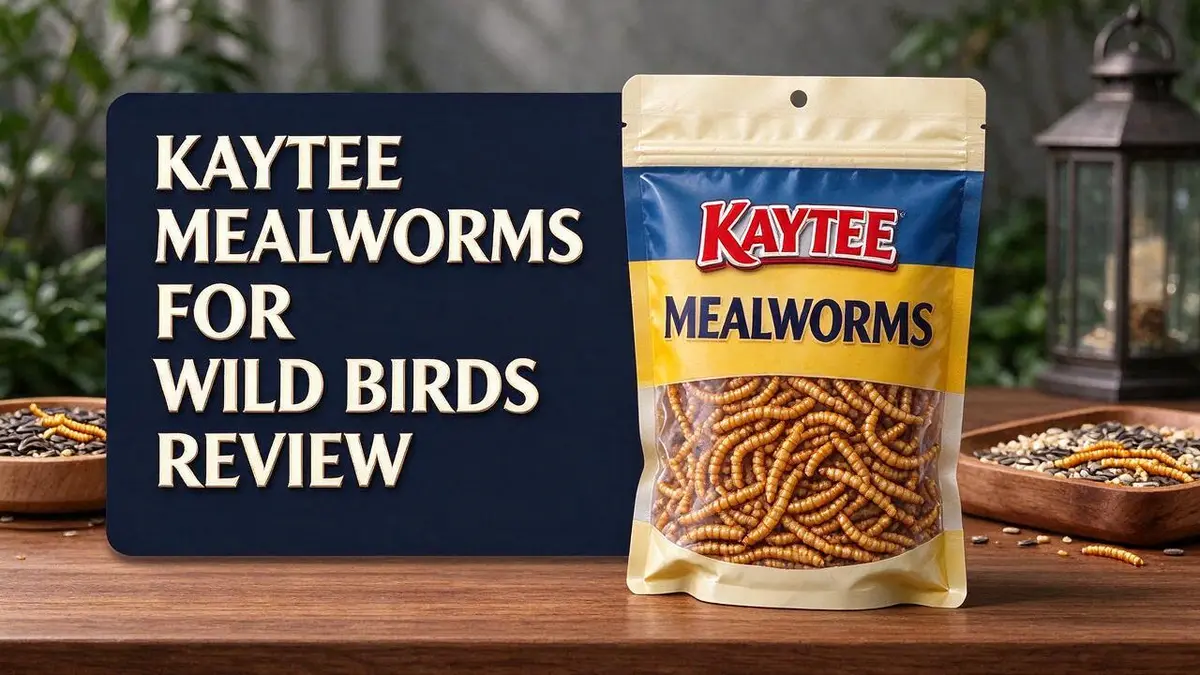
Kaytee dries these mealworms in an oven. That means you can serve them straight from the bag. You do not need to moisten them first.
Robins and woodpeckers also enjoy them. Some people even feed them to chickens.
In this review, we look at the pros, the cons, and the alternatives. Let’s see if these mealworms deserve a spot in your feeder.
In a Nutshell
-
Easy to serve: You pour these mealworms into a feeder dry. You do not need to soak them first.
-
Energy boost: The treat gives birds high protein and quick energy. That helps most during nesting season and cold days.
-
Extra use: Some owners also offer them to backyard chickens as a snack.
-
Things to note: The listing says the product is made in China. One listing also describes the pieces as mostly hollow, so expect light, airy mealworms.
-
Open question: Some buyers wonder if dried mealworms work as well as live ones. The research gives no clear answer, so test a small amount first.
-
Other options: You can try Kaytee Gourmet Seed & Mealworm Treat Cake, suet nuggets, or fruit and nut blends. Fresh mealworms and bulk packs from online sellers also draw birds like bluebirds, chickadees, and titmice.
Ingredients and Nutrition


Last update on 2026-08-28 / Affiliate links / Images from Amazon Product Advertising API Some of the links on this website are affiliate links, which means that at no additional cost to you, I earn a commission if you click through and make a purchase. I only recommend products and services that I believe will add value to my readers. Thank you for your support!
Let’s look at what goes into this product. The main ingredient is mealworms, so the list stays short. That makes it easy to know what your birds eat each day.
Insects bring natural fat and protein. Many birds need extra fat during nesting season. Feeding chicks takes a lot of energy, and insects help meet that need. Fat gives birds steady fuel in cold weather.
Seeds usually hold more carbohydrates than fat. Mixing mealworms with a seed feeder can give birds a fuller diet. Many backyard birds eat both seeds and insects across the year.
Watch the calcium balance. Mealworms contain more phosphorus than calcium. Growing chicks and laying females need calcium. Many bird keepers place crushed oyster shell or eggshell nearby as a simple extra source.
Storage matters too. Keep the mealworms in a sealed container in a cool, dry spot. Moisture can spoil food and attract pests. Good storage keeps the nutrients intact for longer.
Read the packaging before you feed. Look for the word mealworm near the top of the ingredient list. Plain ingredient lists make it simpler to compare this product with other options.
Dry food also means birds need water nearby. Keep a clean water source close to the feeder. Birds use water for drinking and for bathing.
Start with small amounts at first. Birds eat more when food feels new. Watch what disappears each day and adjust the portion size from there. Small portions also keep food fresh.
Overall, the nutrition profile suits insect eating birds well. Pair it with a balanced feeding plan. Your yard visitors will benefit most from variety in their meals.
Bird Species Attracted
Different birds visit yards for different reasons. Insect eaters love a snack that feels natural.
Titmice often show up alongside chickadees. A user saw them come to fresh mealworms. Dried ones may draw a similar crowd.
Wrens search low shrubs and fences for food. Place a flat dish near brush piles to help them spot it.
Bluebirds prefer open lawns and fields. Scatter a small pile on the ground in those areas.
Bluebirds also watch from fence posts. Setting a feeder on a nearby post can catch their attention.
Chickadees and titmice like to grab one piece and fly away. A small tube feeder with openings lets them take a bite.
Mixing in a seed feeder brings in more species. Seed eaters and insect eaters can visit at the same time.
Patience matters when you start. Birds may need a few days to find a new food source.
Watch your feeding spot at different times of day. Morning visitors may differ from afternoon ones.
Tracking visitors can be fun. Keep a simple notebook or use a bird app.
Over time, you see which birds return most often. Then you can adjust your setup to match them.
Each species has its own favorite spot. Small changes in placement can make a big difference for your yard.
Local weather can change who visits. Warm days may bring more insect eaters than cold ones.
Keep an eye on the feeder for crowding. Spread out the offering if one bird dominates the spot.
Check the feeder each day for fresh food. Clean spots help birds stay healthy and keep coming back.
Feeding Convenience and Serving Methods
Serving these mealworms feels simple. You can use several setups, so pick the one that fits your yard best. Each method suits a different yard style.
A platform feeder works well for this food. Birds can land, grab a bite, and leave quickly. A flat tray also keeps the pieces easy to spot.
Some people scatter a small pinch on a clean, flat surface. Ground spots suit birds that hunt near the soil. Use only a little at a time.
Tube feeders can work too. However, the openings must suit the size of the pieces. Small bits may fall through, so check the holes first.
Shelter matters as well. Move the feeder under a roof edge or cover it during rain. Wet mealworms can spoil fast and lose their appeal.
Cleaning matters for your flock. Wash the tray every few days with warm water and a mild dish soap. Rinse it well and dry it fully before adding fresh food.
Clean feeders lower the chance of illness spreading between birds.
Timing also helps. Many birds feed most actively early in the morning. Fill the feeder then, and check it again before evening.
Waste control keeps your yard neat. Offer only what birds finish in one visit. Leftovers can draw ants, mice, and other pests.
Think about your yard layout too. Place the feeder near shrubs so birds feel safe. Keep it away from busy windows to prevent collisions.
Finally, watch how birds react to each setup. Some styles draw more visitors than others. Adjust your method until your yard feels comfortable for every guest.
Top 3 Alternatives
Audubon Park Mealworms

Last update on 2026-11-05 / Affiliate links / Images from Amazon Product Advertising API Some of the links on this website are affiliate links, which means that at no additional cost to you, I earn a commission if you click through and make a purchase. I only recommend products and services that I believe will add value to my readers. Thank you for your support!
Audubon Park Mealworms make a great pick for backyard feeders. Bluebirds, robins, and wrens love these tasty treats.
The worms give birds a rich source of protein. Many bird lovers see their visitors eat them fast. You can place them in a small dish or on a open platform feeder.
Wild Delight Mealworms

Last update on 2026-11-05 / Affiliate links / Images from Amazon Product Advertising API Some of the links on this website are affiliate links, which means that at no additional cost to you, I earn a commission if you click through and make a purchase. I only recommend products and services that I believe will add value to my readers. Thank you for your support!
Wild Delight Mealworms suit people who feed birds all year long. The dried worms store well in a cool, dry place.
Chickadees and titmice often visit for a quick snack. Dried mealworms also create less mess than wet options. This keeps your feeding area clean and simple to manage.
Songbird Essentials Mealworms

Last update on 2026-11-05 / Affiliate links / Images from Amazon Product Advertising API Some of the links on this website are affiliate links, which means that at no additional cost to you, I earn a commission if you click through and make a purchase. I only recommend products and services that I believe will add value to my readers. Thank you for your support!
Songbird Essentials Mealworms work well for mixed feeders. You can scatter them on a tray or drop them into a shallow dish.
Cardinals, jays, and finches may stop by for a bite. Regular feeding habits keep backyard birds coming back. Watch your feeder and enjoy the show.
Quality, Sourcing and Origin
Quality starts with where a product is made. The listing states that Kaytee Mealworms are made in China. This detail matters to many shoppers. You should check the label before you buy.
Many people ask about origin for good reasons. Some buyers prefer products made at home. Others focus on food safety rules and factory checks. Either way, origin is a useful clue for buyers.
Look for clear processing details. Oven drying is a key step for this product. It removes moisture so the mealworms stay fresh longer on the shelf. Dried food also avoids the mess and risk that live insects bring.
The listing also says the mealworms are mostly hollow. Hollow pieces may be lighter and easy to eat. Check how much you get per bag.
Sourcing questions matter too. Ask the brand about testing, storage, and supplier checks. A company with clear answers usually shows more care. If answers are missing, consider another option.
Fresh mealworms from local bait shops or bulk sellers are another path. Those sources skip the drying step. They also carry a different set of risks, such as parasites or uneven size. Dried products trade some freshness for shelf stability.
Check the package when it arrives. Look for tears, damp spots, or a strange smell. Mold or clumps mean the product may not be safe. Do not feed anything that looks or smells wrong.
Protein content is another quality clue. Walter Products mealworms list about fifty percent protein per one source. That number is not specific to Kaytee, so compare labels yourself. Always look for a guaranteed analysis on every bag.
Dried vs. Live Mealworms
Dried and live mealworms both feed insect eating birds, but they behave very differently in the yard. Live mealworms wiggle, and that movement catches the eye of birds that hunt by sight. Dried pieces lack that motion, so birds rely more on scent and habit.
Live mealworms also need more daily care. They must stay in a secure container, since some keepers worry about worms crawling out. They also need a steady temperature so they stay alive until feeding time.
Dried mealworms skip that hassle. They do not wriggle away, and they need no special handling. Many people like how they stay put on a clean platform feeder.
Live food does have one clear edge. Users in the research reported that fresh mealworms drew bluebirds, chickadees, and titmice. These reports suggest that movement and fresh scent may pull in birds that ignore dry food at first.
Your goal should guide your choice. If you want close up views of bird behavior, live food may create more action. If you want a simple routine with less mess, dried food fits better.
The research does not answer whether dried mealworms are a poor choice compared with live ones. Because of that gap, your own backyard is the best test. Try one option for a few weeks, then switch and compare which birds appear most often. You may find that your local birds prefer one style over the other.
Value and Package Size
Package size shapes how much food you get from each purchase. Think about how many birds visit your yard and how often you plan to serve this food.
Check the net weight on the label first. Compare that weight with how much your birds eat in a typical week. This helps you see how long one bag may last.
Dried mealworms need no soaking or mixing. So you do not lose food to spoilage caused by water. A sealed bag keeps the contents fresh for longer.
Storage matters for the full value of the bag. Keep it in a cool, dry spot. Moisture can make dried food clump or spoil over time.
Smaller bags suit a new feeder or a short test season. They let you see whether local birds like the food before you buy more. They also help you avoid leftovers.
Larger packs suit steady feeders that see daily visits. Only buy what you can use within a reasonable time. Fewer leftovers mean less waste in your yard.
Seal the bag after each use. Squeeze out extra air and fold the top tightly. Store it in a lidded bin to keep pests away.
Think about your feeding routine too. A small scoop helps you serve the right amount each day. Birds eat their fill, and leftovers stay low.
Bird activity also changes with the seasons. Flocks may grow in cold months, so you may need more food then. Plan for those busier periods ahead of time.
Overall, the right size depends on your yard. Start with a modest amount, watch how fast birds eat, and adjust your next order to match.
Pros and Cons
Pros
- Draws in bluebirds, wrens, chickadees, robins, and woodpeckers.
- Brings in birds that rarely visit seed feeders.
- Gives backyard chickens a tasty treat too.
- Provides high energy for active birds.
- Helps you attract a wider mix of insect eaters.
Cons
- Only appeals to insect eating birds, so seed lovers may ignore it.
- Offers less variety than a mixed seed or suet feeder.
- Lacks a clear list of every bird species that will visit.
- Works best with other foods for a full feeding menu.
Who Should Buy It
This food suits people who want more than the usual seed crowd. Many yards only host sparrows and finches. Insect eating birds can bring new color and song to the same space.
Bird watchers who keep a backyard log will enjoy this option. You can track which species show up and how often they return. Each visit becomes a small record of your yard’s activity.
Families with children often want a simple way to start. Kids can help pour the food into a tray. Then everyone can watch the visitors from the kitchen window.
Renters and people with small patios can still join in. A single tray or platform feeder fits on a railing. You do not need a large garden to attract guests.
Shoppers who prefer domestic sourcing should read the label closely first. The listing states manufacture in China. If that matters to you, compare other options before you decide.
Yards with a quiet feel may benefit most. If your space already draws a steady crowd, this food adds variety. If your space feels empty, it may bring fresh life to the feeder area.
Either way, watch the birds for a few weeks. Adjust your plan based on what you see. Your observations will show whether this product fits your yard.
Final Verdict
Kaytee Mealworms for Wild Birds earns a solid recommendation from me. It does one job, and it does that job well. It gives insect eaters a food they truly want.
The biggest win is variety. Most feeders pull in finches and sparrows. This snack adds a fresh crowd to your yard. A quiet corner can suddenly feel busy.
Still, this product works best as a supporting food. Pair it with suet nuggets, sunflower seeds, or Kaytee Nut & Fruit Seed. That mix keeps every visitor fed.
Here are a few alternatives to weigh before you decide.
Kaytee Gourmet Seed & Mealworm Treat Cake
This cake comes from the same brand. It blends seed with mealworms. It suits yards with both seed lovers and insect eaters.
Fresh Mealworms
One user reported that fresh worms drew bluebirds, chickadees, and titmice. They need more handling than dried ones. Dried worms stay easier for daily use.
Walter Products Mealworms
This brand lists about 50% protein in one source. Compare labels if protein matters most to you. The research does not tie that figure to Kaytee.
Bulk Mealworms
Amazon and eBay sellers offer bulk bags. Heavy feeders may like that option. Check the seller details closely.
Our final call: Choose Kaytee if you want a simple way to attract new birds. It needs no prep, and the birds respond fast.
Skip it if you want one food for every species. This mealworm snack serves a specific group of visitors.
Check the label for the country of origin, since the listing notes China. Then set out a tray and see who arrives.
Overall, this is a friendly, easy pick for anyone who loves watching insect eaters up close.
Frequently Asked Questions
Will this food work if my yard only has seed eaters?
Not very well. Seed lovers often ignore dried mealworms, so your results depend on which birds already visit. Add a seed mix or a suet feeder nearby so every bird finds a meal.
How do I serve dried mealworms?
Scatter a small handful on a tray or platform feeder. Keep the food dry at all times. Cover the feeder during rain, because wet mealworms spoil fast.
How should I store the bag?
Move the food into a sealed container after you open it. Keep the container in a cool, dry spot away from pests. Fresh food keeps birds coming back to your yard.
Can this food help birds in winter?
Yes, it can. Insects are hard to find in cold months, so dried mealworms give birds a quick energy boost. Clear snow from the feeder so birds can reach it easily.
How do I keep the feeder clean?
Empty leftover food every few days. Wipe the tray with warm water and let it dry fully. A clean feeder helps prevent illness and keeps your visitors healthy.

Hello, I’m Emily Price, the founder of Birds Affection. As a passionate bird enthusiast and spiritual seeker, I’ve always been fascinated by the symbolic meanings and mystical connections between birds and our lives. On this website, I share my knowledge and insights on the spiritual significance of various bird species, exploring their roles as messengers, guides, and teachers. Through my writing, I aim to inspire and educate others on the profound wisdom and beauty that birds bring to our world. Join me on this journey as we delve into the enchanting realm of bird symbolism and discover the hidden meanings behind these magnificent creatures.