Brome Squirrel Buster Plus Review: Does It Really Stop Squirrels?
Squirrels raid bird feeders every day. They empty the seed fast and scare off your favorite birds. Sound familiar?
The Brome Squirrel Buster Plus aims to fix that problem. This squirrel proof feeder uses a weight sensitive skirt. When a squirrel climbs on, the feeding ports close.
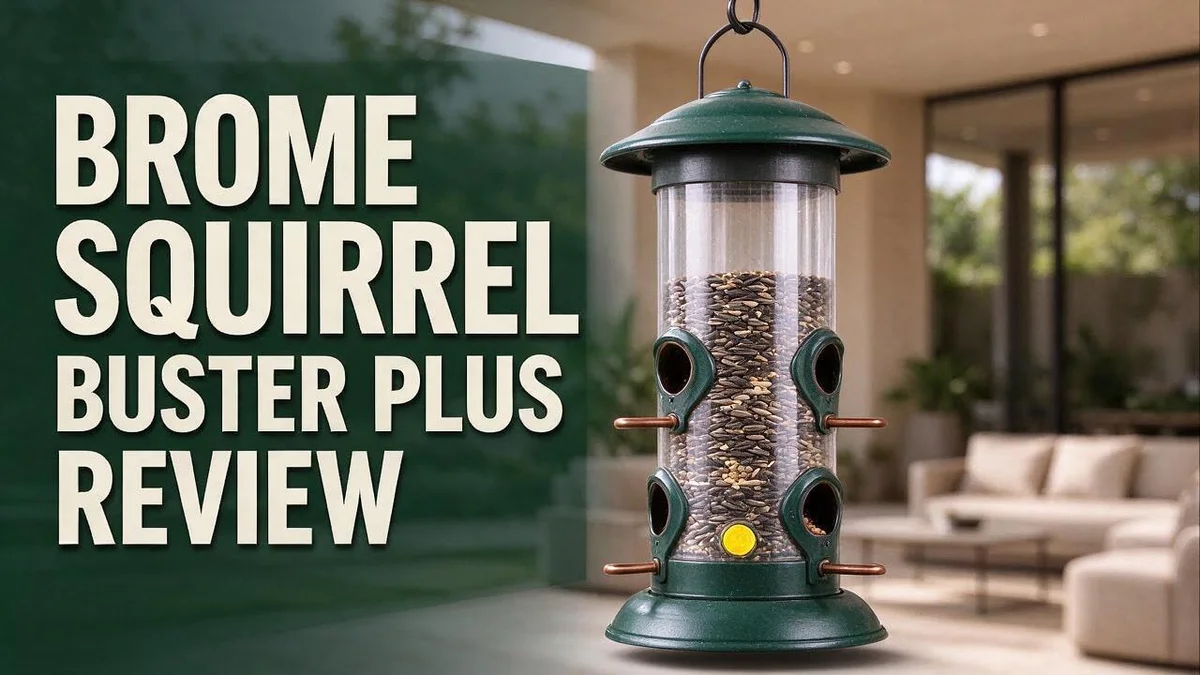
The feeder holds about 5 lb of seed. It has 6 feeding ports and a Cardinal Ring perch. You can mount it on a pole.
In a Nutshell
- Squirrel blocking design: The feeder closes its ports when a heavy animal lands on it. One reviewer says squirrels ignore it and birds enjoy it.
- Six feeding ports: Several birds can eat at the same time. The adjustable ports also let you control which birds get access to the seed.
- Cardinal Ring perch: The ring gives cardinals a comfortable spot to sit while they eat. This makes the feeder a strong pick for cardinal fans.
- Sturdy build: Reddit users rate it as sturdier than Wild Birds Unlimited alternatives. They also say it holds more seed than those feeders.
- Simple mounting: You can place it on a pole, so it fits many backyard setups. Pole mounting also keeps the feeder steady and easy to reach.
- Things to consider: The same adjustment that blocks squirrels can limit larger birds. Rival options include the Squirrel Buster Classic, Mini, and Finch models, so compare them before you choose.
Squirrel-Proofing Mechanism and Effectiveness


Last update on 2026-07-01 / Affiliate links / Images from Amazon Product Advertising API Some of the links on this website are affiliate links, which means that at no additional cost to you, I earn a commission if you click through and make a purchase. I only recommend products and services that I believe will add value to my readers. Thank you for your support!
The Brome Squirrel Buster Plus relies on a patented mechanism. Its weight sensitive skirt does most of the work. Squirrels cannot reach the seed without triggering it.
Think of it as a gate that reads weight. Lighter birds move through freely. Heavy squirrels find the ports shut tight.
Reviewers say the design works in practice. One reviewer reports that birds keep coming while squirrels stay away. This sets it apart from many standard feeders.
Reddit users also compare it with Wild Birds Unlimited feeders. Their comments focus on everyday squirrel control. This gives a helpful real world view.
Results still depend on your setup. Squirrels can jump from nearby trees or fences. Placement matters as much as the design.
Tip: Hang the feeder away from jumping points. Check the weight setting after you add seed. Small changes help the ports respond correctly.
Persistent squirrels may test the feeder for days. Some even try hanging upside down. Patience helps because the skirt keeps working as long as the setting stays correct.
Squirrels learn quickly. They watch feeders and test every opening. A well set feeder gives them little reward, so many give up.
Bird watchers may notice a calmer feeding area too. Fewer squirrels mean less chasing and less spilled seed on the ground. That cleanup benefit adds to the overall experience.
Keep an eye on the ports during busy months. Heavy feeding can shift the balance, so a quick check helps. Simple habits keep the mechanism working well.
Overall, the mechanism earns strong marks for squirrel control. Yard owners who want fewer squirrels will likely appreciate that approach.
Build Quality and Durability
A feeder lives outside in sun, wind, and rain every day. That makes build quality just as important as clever design. Durability decides whether the feeder lasts for many seasons.
A full load of seed adds real weight to the frame. The mounting point and joints must stay firm under that load. Strong parts keep the ports lined up and working as designed.
The moving parts face constant use too. Each bird that lands on the feeder tests the ports and the skirt. Smooth movement over time is a good sign of solid construction.
Check the hardware first. Look for tight screws and secure joints every few weeks. Loose parts can make ports stick or sit out of line.
Pole mounting plays a big role in stability. A firm pole base keeps the feeder steady during windy days. A wobbling feeder can scare birds away and may jam the ports.
Cleaning matters for long life, too. Easy access to the seed tray and ports makes routine washing faster. Regular cleaning also keeps old seed from wearing down parts.
Weather will test any feeder over time. Look for fading, cracks, or rust after several seasons. Storing or covering the feeder during harsh winters can help it last longer.
Replacement parts can extend the life of the feeder. Contact the manufacturer about spare ports or skirts if one wears out. Replacing a single part can be easier than replacing the whole unit.
Overall, the build feels made for daily outdoor use. Regular checks and light care help it perform well season after season. Good construction gives you a feeder you can rely on.
Seed Capacity and Feeding Ports
Filling the feeder is simple. You open the top and pour seed straight into the main hopper. Keep the lid closed during refills to block rain. Most people can refill it in under a minute.
Seed choice matters more than you might think. Black oil sunflower seed is a popular pick for many backyard birds. Large mixes with filler pieces may fall through too fast or sit unused.
Dry seed stays fresh longer. Moisture can cause mold, so check the hopper after heavy rain. Empty the feeder and let it dry if you see clumps.
Refill timing depends on your bird traffic. A busy yard may empty the feeder in a few days. A quieter spot may last several weeks. Fill it before the seed runs low so birds always find food.
Ports need a quick look too. Seed can get stuck near the openings and block the flow. Gently tap the sides to free stuck seed. Clear ports help the weight system work as intended.
Small birds and large birds use the ports differently. Finches and chickadees often feed through the smaller openings with ease. Bigger birds may need a little more room. Watch which species visit most and adjust the setting to match.
Seed loss happens when birds toss food onto the ground. Place a tray or shallow catch area below the feeder. Sweep up spilled seed often so it does not attract rats or mold.
Plan your yard setup around the feeder’s height. Hang it where you can see the ports from a window. Easy viewing makes it simple to spot seed jams and busy hours.
Keep a simple log for a month. Note the date you refill and which birds visit. This record shows you how fast the seed disappears and when to add more.
Top 3 Alternatives
Droll Yankees Flipper

Last update on 2026-09-13 / Affiliate links / Images from Amazon Product Advertising API Some of the links on this website are affiliate links, which means that at no additional cost to you, I earn a commission if you click through and make a purchase. I only recommend products and services that I believe will add value to my readers. Thank you for your support!
The Droll Yankees Flipper works well for backyard bird lovers. Its spring-loaded perches flip squirrels off when their weight hits the feeder. Squirrels cannot stay on long enough to reach the seed.
Each perch moves with a gentle push. Many people like that the design keeps larger birds fed. Cleaning is simple because the tube opens easily.
Droll Yankees Dome

Last update on 2026-11-05 / Affiliate links / Images from Amazon Product Advertising API Some of the links on this website are affiliate links, which means that at no additional cost to you, I earn a commission if you click through and make a purchase. I only recommend products and services that I believe will add value to my readers. Thank you for your support!
The Droll Yankees Dome feeder covers the seed with a clear dome. Squirrels cannot reach the feed from the top or sides. This dome design also keeps the seed dry during rain.
The dome rests on a metal cage that stops squirrels from climbing up. Birds can still land on the perches and eat freely. It suits people who want a simple, easy-to-fill feeder.
Perky-Pet Squirrel Proof

Last update on 2026-07-01 / Affiliate links / Images from Amazon Product Advertising API Some of the links on this website are affiliate links, which means that at no additional cost to you, I earn a commission if you click through and make a purchase. I only recommend products and services that I believe will add value to my readers. Thank you for your support!
The Perky-Pet Squirrel Proof feeder uses a wire cage around the seed ports. Squirrels struggle to squeeze through the openings. Small birds still enter with ease.
This model holds a good amount of seed. Its sturdy build handles windy days well. Many backyard fans choose it for its clear design and reliable protection.
Check each feeder’s size and mounting style before you buy. Pick the one that fits your yard and your birds best.
Bird Attraction and Species Suitability
Cardinals often take to this feeder well. The Cardinal Ring perch gives larger songbirds a stable place to land. Many people hang it with cardinals in mind.
Species suitability depends on your local birds. Some visitors like open seed trays, while others prefer to cling to a perch. Watch which birds arrive first before you commit to a seed mix.
Larger birds can face limits when the ports are set tight. A narrow setting keeps squirrels out but may also block bigger guests. Set the weights with your target birds in mind.
Think about the birds you want most. Songbirds that eat sunflower hearts and cracked corn often do well here. Ground feeding birds like doves may prefer a tray placed below.
Scatter a small handful of seed on the ground for them. This gives doves, sparrows, and juncos a spot to feed. A clean base also keeps the yard tidy and fresh.
Hummingbirds and orioles need different foods. This seed feeder will not serve them. Add a nectar feeder or fruit dish nearby instead.
Mixed flocks bring variety to the yard. Watching them also teaches children about local species. Keep binoculars near a window for easy viewing.
Tip: Note which species visit each week. A simple list helps you spot patterns. Over time, you can adjust the ports and perches to match your favorite birds.
Cardinals and titmice may also arrive in pairs during spring. Watch for them early in the season, since birds often explore new feeders first. Patience helps more than quick changes. Pairs often return to the same feeder each year, so a steady setup helps them feel at home.
Setup, Mounting, and Weight Adjustment
Setting up the Brome Squirrel Buster Plus takes less time than you might expect. Start by laying out every part on a clean table. Match each piece to the instructions before you begin.
Gather a few basic tools before you start. A screwdriver and a small wrench usually handle the job. Keep a bowl nearby for small fasteners so nothing rolls away.
Choose the spot before you attach anything. Pick a place where birds can land easily. Stand back and imagine how squirrels might approach from trees, fences, or the roof.
Next, adjust the weight ports. Open the ports wide at first. This lets you watch which birds reach the seed. Then tighten them slowly over several days.
Weight adjustment works best with a simple test. Fill the tray with a small amount of seed and wait for visitors. If a squirrel gains access, nudge the ports tighter.
Set the ports for your lightest bird first. Once that bird eats with ease, check whether larger birds still reach the seed. Small changes make the biggest difference.
Write down each setting you try. This helps you return to a setup that works well. Note the seed type and weather too.
Recheck the feeder after the first big storm. Settings can shift a little over time. A quick check keeps the feeder working as you planned.
Patience pays off during setup. Most birds find the feeder within a few days. Give them time before making big changes to the ports.
Keep the tools nearby for later checks. A small kit makes future adjustments quick and easy for any backyard owner.
Cleaning, Refilling, and Maintenance
Clean feeders protect birds from illness. Wet or moldy seed can spread disease, so the feeder needs a thorough wash from time to time. Warm water and mild dish soap work well for most parts.
Take the feeder apart before washing it. Remove the seed tray, the perch, and any loose pieces. Scrub each part with a soft brush, then rinse it well.
Never use bleach or harsh chemicals, because leftover residue can harm birds.
For stubborn stains, mix one part white vinegar with four parts water. Let the solution sit for five minutes before scrubbing.
Drying matters just as much as washing. Let every piece air dry in the sun before adding fresh seed. Damp parts grow mold fast, especially in humid weather.
Wash your hands after handling the feeder. Bird droppings can carry bacteria. Gloves make the job easier and cleaner.
Check the seed container for husks and dust. Wipe out the corners where old food collects. This small step keeps the feeder fresh longer.
Inspect the pole and hanging hardware during each cleaning. Look for loose screws and cracked plastic. Tighten or replace parts before they fail.
Store extra seed in a sealed metal bin. Mice and squirrels chew through paper bags and plastic sacks. A tight lid keeps the seed dry and safe.
Sweep the ground below the feeder each week. Old shells and droppings attract unwanted visitors. Clean ground helps birds stay healthy and keeps your yard tidy.
Winter brings its own tasks. Knock ice and snow off the perch before it builds up. Frozen seed does not fall well, so clear the tray often.
Bring the feeder indoors during severe storms if you can.
Pros and Cons
Pros
- Squirrels struggle to reach the seed thanks to the weight sensitive skirt.
- Adjustable ports let you decide which birds can eat.
- Cardinals and other songbirds often take to the Cardinal Ring perch.
- Reviewers report that birds visit while squirrels stay away.
- Reddit users call it sturdier than many similar feeders.
Cons
- Tight port settings can block larger birds from feeding.
- Hummingbirds and orioles will not use this seed feeder.
- Setup and weight tuning take some patience.
- Regular cleaning is necessary to keep birds healthy.
Who Should Buy It
If squirrels raid your feeder every single morning, this model may suit you well. Many homeowners reach a point where they want a fix that truly works. This feeder gives you a strong option for that exact problem.
Busy people also find it useful. A larger seed container means fewer trips outside with a refill bucket. Fewer refills also means less mess around the feeder. You can spend more time watching birds and less time filling bins.
Pole mounting keeps seed off the ground. That matters in yards where ground feeders attract rats, mice, or wet, messy piles. Patio owners who use a pole setup may appreciate the cleaner look.
Families with children can also enjoy this feeder. Kids often love spotting new birds from a kitchen window. A simple feeder like this makes bird watching easy for young learners.
Beginners who want to watch birds up close can start here too. The feeder gives new bird watchers a clear view of visitors. Watching a few regulars return each day can spark a lifelong hobby.
Anyone who enjoys quiet mornings with coffee will also like this setup. Watching birds becomes a calm daily ritual. It is a simple pleasure.
Shoppers with a single target bird should compare the lineup first. The Squirrel Buster Finch suits people who mostly want tiny seed eaters.
The Nut or Peanut Feeder fits fans of peanuts more than seed mixes. This model works best for a broad mix of songbirds.
In short, this feeder fits homeowners with squirrel trouble, busy bird lovers, and anyone who wants fewer refills. Think about your yard, your birds, and your daily routine before you decide.
Final Verdict
The Brome Squirrel Buster Plus earns a strong recommendation from me. It solves the biggest problem backyard birders face. It keeps seed in the feeder and out of squirrel paws.
The feeder delivers on its main promise. Most users report calm, steady bird traffic. That outcome matters more than any single feature.
The Plus also shows smart engineering in daily use. The 5 lb capacity means fewer trips outside. You spend more time watching and less time refilling.
Some buyers should pause first. If you want a very simple feeder with no settings, this one asks for a little more attention. The reward is a feeder that works the way you want.
Other models in the Brome lineup serve different needs:
- Squirrel Buster Classic suits those who want a simpler option.
- Squirrel Buster Mini fits small patios and tight spaces.
- Squirrel Buster Finch works best for finch lovers.
- Legacy Bird Feeder gives another route to explore.
I suggest the Plus for most yards. It offers the best balance of control, capacity, and squirrel defense in the group.
Here is a simple plan for success. Mount it on a sturdy pole, set the weight tension, and watch for a few days. Then adjust the ports until the right birds feed comfortably.
Good results come from small, patient tweaks. Most owners find the sweet spot within a week.
Final verdict: The Brome Squirrel Buster Plus is a reliable, well built feeder that rewards you with happy birds and frustrated squirrels. I would happily put one in my own yard.
Frequently Asked Questions
What seed works best in this feeder?
Black oil sunflower seeds attract the widest mix of birds. Safflower seeds also work well because many squirrels dislike the taste. Skip loose mixes with lots of filler, since they draw messy eaters.
What should I do if a squirrel still reaches the seed?
Check that the skirt moves freely and carries no ice or debris. Trim any branches that let squirrels jump onto the feeder. Then adjust the weight setting one small step at a time until the problem stops.
How does this feeder handle winter weather?
Shake snow off the ports and perch after each storm. Keep the skirt clear so it can still move. Damp seed clumps quickly, so refill with dry seed only and check the feeder after rain.
How often should I check the feeder?
Look at the feeder every few days during busy seasons. Watch for clumped seed, mold, or empty ports. A quick check keeps the birds coming back and helps you spot problems early.

Hello, I’m Emily Price, the founder of Birds Affection. As a passionate bird enthusiast and spiritual seeker, I’ve always been fascinated by the symbolic meanings and mystical connections between birds and our lives. On this website, I share my knowledge and insights on the spiritual significance of various bird species, exploring their roles as messengers, guides, and teachers. Through my writing, I aim to inspire and educate others on the profound wisdom and beauty that birds bring to our world. Join me on this journey as we delve into the enchanting realm of bird symbolism and discover the hidden meanings behind these magnificent creatures.