Woodlink Absolute II Squirrel-Resistant Feeder Review 2026: Worth It?
Squirrels raid bird feeders every day. You fill the feeder, and they empty it. The Woodlink Absolute II aims to stop that.
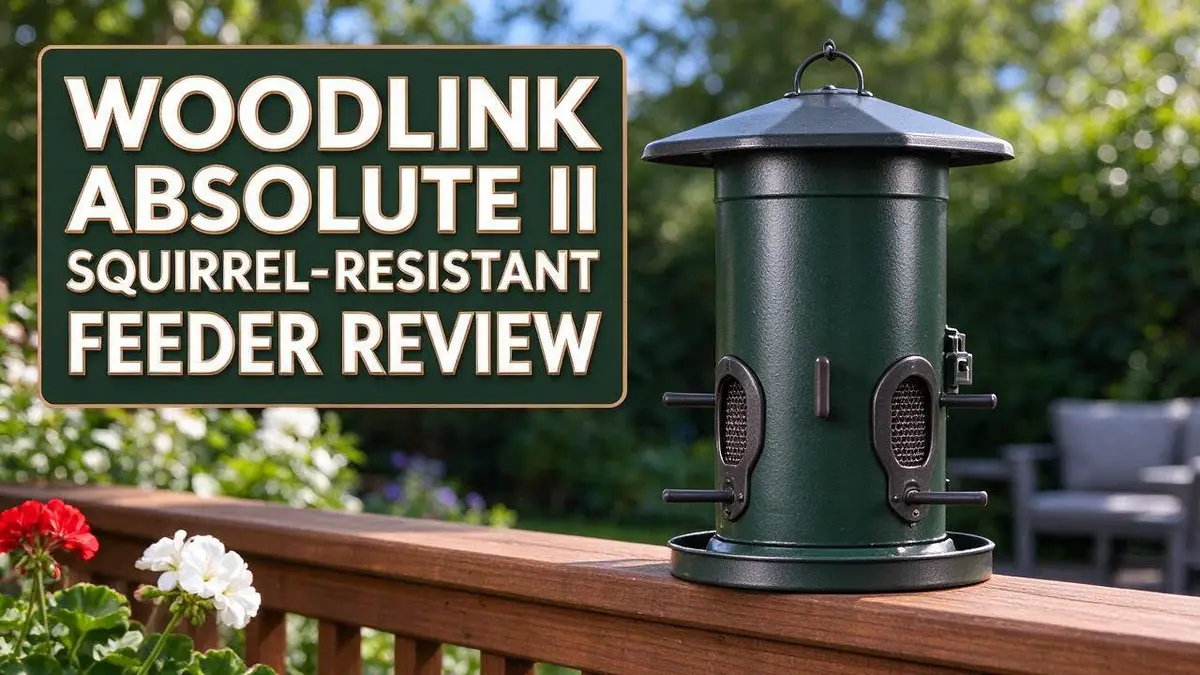
This feeder uses steel construction and clear polycarbonate windows above the feeding ports. A weight adjusted closing mechanism shuts the ports when a heavy animal climbs on.
Owners say setup is easy. They also like the large hopper, which holds about 12 lb of seed. One owner reports 15 lb.
The feeder is heavy, so plan your hanging spot carefully. One reviewer calls it good but not completely squirrel proof. Another says squirrels reach the roof but never get the seed.
In a Nutshell
- Weight activated protection: The closing mechanism adjusts by weight. A heavy squirrel closes the feeding ports, while light birds still eat freely.
- Big hopper: The feeder holds about 12 lb of seed according to the Tractor Supply listing. One owner reports closer to 15 lb. You will refill it less often.
- Baffles included: The package comes with baffles. They add another barrier between squirrels and your seed.
- Owner feedback is strong: The original 7533 listing shows a 5.00 out of 5 rating from 8 reviews. The sample is small, but the praise is consistent.
- Real world squirrel results: One owner says squirrels can reach the roof but cannot get to the seed. Another calls it “good but not completely squirrel proof.” Expect strong deterrence, not a guarantee.
- Who should buy it: This feeder suits backyard birders who want fewer refills and less seed theft. Persistent squirrels may still test it, so pair it with a smart hanging spot.
Squirrel-Resistance and Weight-Activated Closing Mechanism

Last update on 2026-11-05 / Affiliate links / Images from Amazon Product Advertising API Some of the links on this website are affiliate links, which means that at no additional cost to you, I earn a commission if you click through and make a purchase. I only recommend products and services that I believe will add value to my readers. Thank you for your support!
Squirrels are clever climbers, and they test nearly every feeder in the yard. The Woodlink Absolute II handles this problem with a closing system that reacts to weight.
Here is the core idea. A feeding port closes when a heavy animal lands on the perch. Small birds weigh too little to trigger the closing action.
This difference matters every day. Songbirds can keep feeding while larger visitors find the ports shut.
Think of the mechanism as a gate that reads weight. When a squirrel grips the perch and pushes down, the ports close and block the seed.
Many backyard birders like this design because it works without timers or sensors. You do not need to watch the feeder or reset anything.
Still, expectations matter. One owner noted that the feeder is good but not completely squirrel proof. Persistent squirrels may still find a way to test it.
Placement plays a big role in results. Hang the feeder away from tree limbs, fences, and rooftops where squirrels can jump from.
Distance helps too. A squirrel needs a launch point to reach the feeder, so open space around it makes a difference.
Check the moving parts often. Remove wet clumps of seed, dirt, or shell debris that could jam the ports.
A clean feeder closes reliably. Smooth movement keeps the closing action working as intended.
Watch the visitors for a week or two. Notice which animals trigger the ports and which ones feed freely. This quick check shows whether the setup fits your yard.
Squirrels learn quickly, so consistency matters. Keep the feeder in the same spot year round so both birds and squirrels know where it sits.
Overall, the weight activated design offers strong protection for most backyards. You can expect fewer raids and less seed loss, though a few determined squirrels may still try their luck.
Build Quality and Materials
Build quality decides how long a feeder lasts. A feeder faces rain, wind, sun, and hungry squirrels every day. Strong materials keep it working season after season.
Owners often call this feeder sturdy. A solid frame keeps the feeding ports lined up. Misaligned ports can let seed spill or let pests reach inside.
Check the hopper seams first. Look for tight joins where the hopper meets the base. Loose seams let damp seed sit and spoil quickly.
Think about cleaning access. A hopper that lifts off or opens wide makes scrubbing easier. Clean feeders help prevent mold and keep birds healthy.
Hardware takes the most stress. Bolts, screws, and hanging hooks carry the weight of the seed. Coated or stainless hardware resists rust better than bare metal.
Watch for rust early. Scratches expose bare steel to moisture. Touch up small chips with rust resistant paint before corrosion spreads.
Care for the clear windows. Polycarbonate can scratch when scrubbed with rough pads. Use a soft cloth and mild soap instead.
Test the fit by hand. Gently move the parts before filling the hopper. A tight fit tells you the frame sits square and true.
Consider the perch too. Thin wire perches can bend under heavier birds. Thicker perches hold up better over time.
Materials affect the look. Painted finishes can fade in strong sun. A faded coat does not harm the feeder, but chips need attention.
Inspect after strong storms. High winds can loosen parts or bend a hanger. A quick check each month keeps the feeder safe and steady.
Good construction means fewer repairs. Choose a feeder with solid materials and simple parts. Your birds will enjoy a reliable feeding station for many seasons.
Seed Capacity and Feeding Ports
Seed capacity and feeding ports shape how this feeder works every day. Both affect refill timing, seed waste, and the variety of birds you attract.
The clear windows show the seed level. Polycarbonate windows sit above the feeding ports. You can check supply from a distance without lifting the lid.
Capacity figures do not match across sources. A Tractor Supply listing gives 12 lb, while one owner cites 15 lb. Your own result depends on seed type and how full you fill the hopper.
Test the real capacity on day one. Fill the hopper in stages and weigh what goes in. Write the number on a strip of tape so you can track use later.
Seed type changes how the hopper flows. Sunflower seed moves more freely than small mixed seeds. Fine bits can settle and clump near the bottom.
Ports need clear openings. Birds reach the seed through these openings, so debris can block them. Check each port after heavy rain or windy days.
Shake out husks and wipe away damp seed. Damp seed can sour, and sour seed puts birds off. Clean ports keep the feeder inviting.
Watch which birds use the ports. Some birds feed right away. Others circle the feeder and leave. Their reactions tell you whether the ports suit the birds in your yard.
Keep a simple log for two weeks. Note the seed level, the visitors, and any spills. Patterns often appear quickly, and they guide small changes like seed type or cleaning routine.
Spills tell a story. Seed on the ground may point to a seed mix problem. Pick up loose seed each week. A small tray below the feeder can catch extra spills and keep the area tidy.
Refill before the level drops too low. Topping up at about half full keeps seed near the ports. Birds find food easily when the supply stays steady.
Top 3 Alternatives
Droll Yankees Yankee Flipper


Last update on 2026-09-13 / Affiliate links / Images from Amazon Product Advertising API Some of the links on this website are affiliate links, which means that at no additional cost to you, I earn a commission if you click through and make a purchase. I only recommend products and services that I believe will add value to my readers. Thank you for your support!
If you want a feeder that fights back, the Yankee Flipper is a strong choice. It uses a spring loaded perch that tips squirrels off when they try to hang on. Only birds with light weight can feed without setting it off.
Its wide tray and sturdy build make refilling easy. It stands up well to daily use in most yards. Finches, cardinals, and jays can land and eat with no trouble.
Brome Squirrel Buster Plus

Last update on 2026-07-01 / Affiliate links / Images from Amazon Product Advertising API Some of the links on this website are affiliate links, which means that at no additional cost to you, I earn a commission if you click through and make a purchase. I only recommend products and services that I believe will add value to my readers. Thank you for your support!
The Squirrel Buster Plus is a great pick for bigger seed capacity. Its cage design lets small birds in while keeping squirrels out. A weight activated perch closes the seed ports when a heavy animal lands.
You can adjust the feeding ports to control how much seed comes out. This feature helps you cut waste and keep the feeder clean. The sturdy cage holds plenty of seed for busy days.
Brome Squirrel Buster Standard

Last update on 2026-10-13 / Affiliate links / Images from Amazon Product Advertising API Some of the links on this website are affiliate links, which means that at no additional cost to you, I earn a commission if you click through and make a purchase. I only recommend products and services that I believe will add value to my readers. Thank you for your support!
The Squirrel Buster Standard offers the same core protection in a smaller size. It works well for a balcony or a small yard. The cage style keeps large squirrels and larger birds away from the seed.
It suits people who want simple protection without extra bulk. Setup takes only a few minutes. Just hang it, fill it, and watch the birds come in.
Assembly, Hanging and Weight Considerations
Assembly feels simple for most owners. Setting up this feeder takes little time. Still, a clear plan saves frustration later.
Start by laying out every part on a flat surface. Count each piece against the packing list. This quick check catches missing hardware before you begin.
Read the instructions once before you turn a single bolt. Then follow the steps in order. Many people skip ahead, and that often leads to parts facing the wrong way.
Tighten fasteners by hand first. Use a tool only for the final turns. This protects the clear windows from cracking under pressure.
The feeder is heavy, and it gets heavier fast. A full hopper weighs far more than the empty frame. Plan your hanging spot with the full weight in mind.
Choose a hanger that carries more than the full load. Use a sturdy hook or a pole made for the job. Avoid thin wire that can bend under pressure.
Lifting is the hardest part of setup. Ask a helper to hold the feeder while you attach it. Lift with your legs, not your back.
Think about the baffle when you pick a hanging point. A baffle blocks the climbing route, so position it above the hanger. Give it room to work without touching nearby branches.
Adjust the closing mechanism during setup, before you add seed. Changing it with a full hopper makes the job harder. Taking time now saves effort later.
A heavier load also changes how the feeder hangs. Check that the hanger stays level once it holds seed. A tilted feeder can spill seed and shift the balance.
After hanging, step back and look at the feeder from the ground. Confirm it sits straight and moves little in the breeze. Give the hanger a firm pull test. If anything shifts or creaks, tighten the connection again before adding seed.
Refilling and Maintenance
Refilling this feeder is simple when you follow a steady routine. Check the seed level every few days, especially after windy weather or busy feeding days.
Refill when the seed drops to about one third of the hopper. This keeps the load manageable and gives birds fresh seed. Avoid filling to the very top. Leave room so seed can flow toward the feeding ports.
Pour seed in slowly. A steady stream keeps spills off the windows and stops dust from clogging the openings.
Store extra seed in a sealed container. Damp seed grows mold fast, and moldy seed can make birds sick. Keep the bag dry and lift it off the ground.
Plan a deep clean once a month. Empty the hopper, then scrub it with warm water and mild soap. Rinse well and let every part dry in open air before you refill.
Clean up spilled seed below the feeder every week. Rake or sweep the area. Old seed piles attract rodents and draw more squirrels into the yard.
Weather also shapes your routine. Rain and snow soak seed quickly, so check the feeder after every storm.
After each cleaning, check that the closing mechanism still moves freely. Grit or moisture can slow it down. Test it by hand before adding new seed.
Watch how birds respond after a refill. If they ignore the feeder for several days, the seed may be stale or the ports may be blocked. Fresh seed brings birds back quickly.
Keep a refill calendar on your phone or a paper pad. Note the date, the amount of seed, and any weather changes. Patterns appear within a few weeks, and those patterns guide your next refill.
Good habits make this feeder easy to care for. A little attention each week keeps the seed dry, the birds happy, and the feeder ready for the next visit. Consistent care also saves time and seed in the long run.
Pros and Cons
Pros
– Steel body holds up well to rain, wind, and daily bird traffic.
– Squirrels can reach the roof but still cannot get to the seed.
– Owners give it a top rating of 5.00 out of 5 from 8 reviews.
– A big hopper holds seed for longer stretches between visits.
Cons
– Squirrels may still test the feeder, so it is not fully squirrel proof.
– The heavy build can make moving it around the yard a chore.
– Owner feedback is limited, so long term results remain unclear.
Who Should Buy It
Some shoppers want a feeder that fits their yard and their daily routine. This section helps you decide if the Woodlink Absolute II is a good match for you. Read on to see who gains the most.
Backyard bird fans with squirrel problems make the best fit. The closing mechanism adjusts by weight, so you can tune how the ports respond to visitors. This makes it useful for yards with steady squirrel traffic.
New bird watchers also gain a lot here. The clear windows above the feeding ports let you spot birds and seed at a glance.
Families with kids may enjoy a simple nature project. A sturdy feeder that stays put makes it easier for children to watch birds from a nearby patio.
Gardeners with mixed flocks can use the included baffles to shape their setup. Feeding stations often attract more than one species, so this design can serve a range of visitors.
Less ideal fits include small balconies and frequent movers. The heavy build suits a fixed spot, not a spot you change each week.
Buyers who want deep review data should know the sample is small. The original listing shows only eight reviews, so use that as one clue, not the full story.
Shoppers with a strong hanging point get the best setup. Check your branch, pole, or hook before you buy, so the feeder hangs safely from day one.
Renters with landlord rules should confirm hanging permissions first. A feeder this size may need a sturdy pole rather than a tree branch.
Neighbors who share a fence line should place it with care. Spilled seed can land on shared ground, so pick a spot away from the fence.
In short, this feeder suits squirrel weary yards and patient bird fans. Think about your space, your hanging point, and your comfort with weight before you decide.
Final Verdict
The Woodlink Absolute II earns a clear recommendation from me. It solves a real backyard problem with a simple design. Bird lovers who battle squirrels will find plenty to like.
Its biggest strength is peace of mind. You fill it, hang it, and watch the birds feed. You spend less time chasing thieves and more time enjoying your visitors.
Setup feels friendly too. Owners describe assembly as easy, so you can start feeding birds the same day. That helps anyone who wants quick results.
The honest caveat is the squirrel claim. One owner calls it good but not completely squirrel proof. Treat this feeder as a strong deterrent, not a magic shield.
You can improve your odds with smart placement. Keep the feeder away from fences, branches, and roof edges. A wide gap around it gives squirrels fewer launch points.
The research also has limits. Only a small group of owners has reviewed the original model. Their feedback is very positive, but a larger sample would give a firmer picture.
Retailer question pages offered no usable detail either. Some questions about long term wear therefore remain open.
Here is how I see the scorecard. Squirrel defense is strong but not perfect. Ease of use is very good. Portability is weak because of the weight.
Think of this feeder as a permanent feeding station, not a travel gadget. Pick a good spot once and let it work for you.
My final call: buy it if you want a sturdy, low drama feeder for a yard with squirrels. Skip it if you need something light that moves often.
Most backyard bird fans will feel happy with this choice. It does its main job well, and it makes daily bird watching more relaxing.
Frequently Asked Questions
How does the closing mechanism work?
The Absolute II uses a closing mechanism that adjusts by weight. Heavier animals cause the feeding ports to close, which makes it harder for squirrels to reach the seed. Light songbirds can still feed because the ports stay open for them.
How much seed can it hold?
Tractor Supply lists the capacity at 12 lb. One owner reports about 15 lb. Plan for the lower number so refills stay on schedule.
Why do the capacity numbers differ?
Retailers and owners may measure seed in different ways. The amount also depends on how full you pack the hopper. Use the 12 lb listing as your starting point.
Can I see when the feeder runs low?
The polycarbonate windows sit above the feeding ports. You can look through them to check the seed level at a glance. Watching the level drop helps you know when to refill without guessing.

Hello, I’m Emily Price, the founder of Birds Affection. As a passionate bird enthusiast and spiritual seeker, I’ve always been fascinated by the symbolic meanings and mystical connections between birds and our lives. On this website, I share my knowledge and insights on the spiritual significance of various bird species, exploring their roles as messengers, guides, and teachers. Through my writing, I aim to inspire and educate others on the profound wisdom and beauty that birds bring to our world. Join me on this journey as we delve into the enchanting realm of bird symbolism and discover the hidden meanings behind these magnificent creatures.