Perky-Pet Squirrel-Be-Gone Feeder Review: Is It Worth It in 2026?
Do squirrels keep raiding your bird feeder? You fill it in the morning, and it sits empty by noon. That gets old fast.
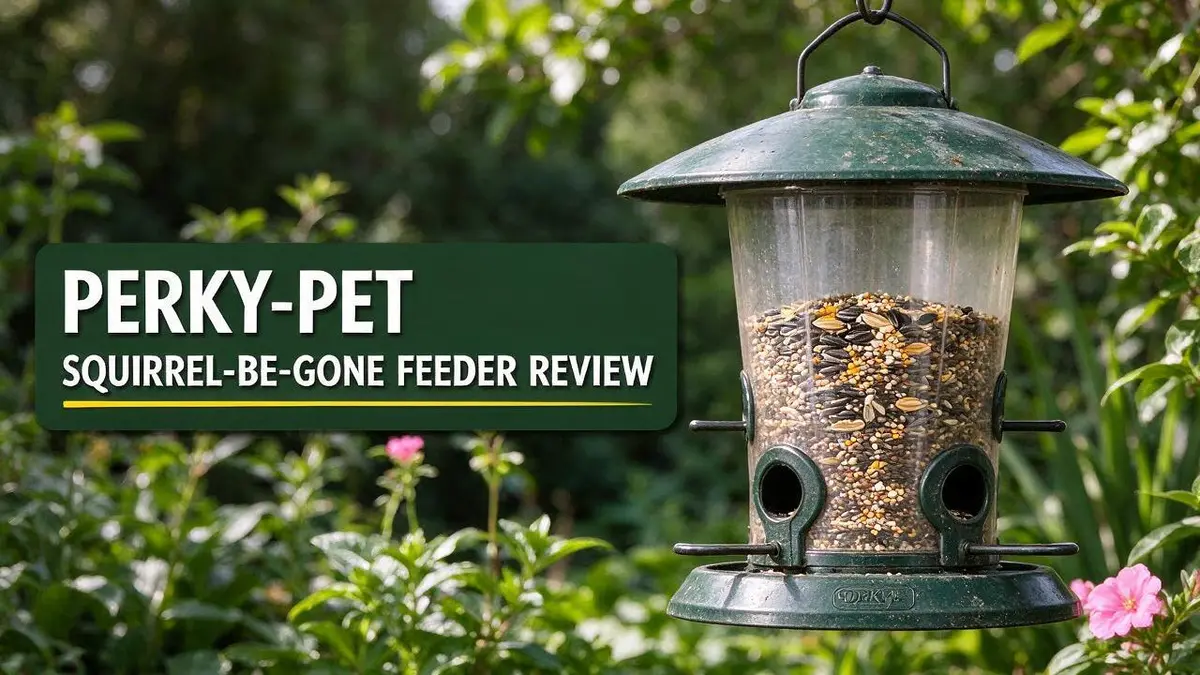
The Perky-Pet Squirrel-Be-Gone Feeder aims to fix this problem. Its perches and cage react to weight. When a squirrel climbs on, the seed ports close. Lighter birds keep eating in peace.
The metal build resists chewing. The feeder holds up to 3.4 lb of seed and comes in several styles. Many users report strong results, but some reviews are mixed.
This review covers how the feeder works, what we like, and where it falls short. Let’s see if it deserves a spot in your yard.
In a Nutshell
-
How it works: The perches and cage react to a squirrel’s weight. The seed ports close before the squirrel can eat. Lighter birds can keep feeding as usual.
-
Seed capacity: The feeder holds up to 3.4 lb of seed. You refill it less often, and many bird types can share it.
-
Style choices: You can pick a cylinder, a metal hanging tube, or a green house style with a faux chimney and front porch perch. The Max model adds six feeding ports that resist shaking four times better than standard ports.
-
Easy care: The top opening makes filling simple. Cleaning takes little effort, and the weather resistant finish looks good in most yards.
-
Where it falls short: It is not fully squirrel proof. Very persistent squirrels may still try their luck. The seed holders and ports can feel fragile or detach.
-
Bottom line: User reviews are mixed, and the manufacturer does not sell replacement parts or springs. Many owners still report effective squirrel deterrence, so this feeder suits backyard birders who want fewer raids.
Weight-Activated Squirrel Deterrent Performance


Last update on 2026-08-28 / Affiliate links / Images from Amazon Product Advertising API Some of the links on this website are affiliate links, which means that at no additional cost to you, I earn a commission if you click through and make a purchase. I only recommend products and services that I believe will add value to my readers. Thank you for your support!
Weight activation is the core idea. The cage and perches sense added weight. When a squirrel climbs on, the seed ports close. Most songbirds are too light to trigger this action, so they keep feeding.
The max model has six feeding ports. These ports are about four times more shake resistant than standard Perky-Pet ports. This extra strength gives the feeder a sturdier feel during rough use, and that matters because squirrels often shake feeders to spill seed.
Some squirrels still find a way. Persistent or clever squirrels may hang from the side or test the cage again and again. Expect some visits, even with the best setup.
Placement changes results. Hang the feeder away from jumping spots like fences, nearby branches, and roof edges. Squirrels that can leap onto it have an easy path, so distance helps.
Heavier birds can also matter. Larger visitors like blue jays weigh more than songbirds, so they might trigger the ports too. Watch which birds feed before judging results.
Loose parts also affect performance. A port that detaches or sticks open lets seed spill out. Check the ports after each refill so you catch problems early.
Clean the ports often. Seed dust and debris can build up and block smooth movement. A quick wipe keeps the closing action reliable.
A simple routine works best. Fill the feeder, watch for squirrel activity for a few days, and move it if needed. Small changes often bring the biggest gains.
The bottom line is practical. The feeder slows squirrels down for many yards. It does not stop every raid, so set realistic expectations before you buy.
Build Quality and Weather Resistance
Weather tests every outdoor feeder sooner or later. This model is described as durable and weather resistant, so it should handle rain, wind, and cold well.
Rain is the biggest concern for bird seed. Wet seed clumps and can spoil fast. A feeder that seals well keeps seed dry for longer.
Make sure the top opening closes fully after every refill. A snug lid keeps moisture out of the seed.
Sun and heat can also dry out seed and wear down parts over time. A shaded spot helps seed stay fresh longer.
Winter brings ice and freezing rain. Ice can jam the moving cage and perches, so check them often during cold snaps.
Gently brush off ice and snow before using the feeder again. Never pound or chip at frozen parts, since that can cause damage.
Wind adds another challenge. A full feeder sways more in strong gusts, which can loosen hooks and mounts.
Use a sturdy pole or hook that holds steady under weight. Stable mounting protects the feeder and keeps the ports working.
Look over seams, joints, and fasteners each month. Tighten anything loose before water can get inside.
Seed left in a soggy feeder can attract mold and pests too. Empty any wet seed right away and refill with fresh, dry seed.
Store the feeder indoors during harsh months when you can. This simple habit may extend its life.
Good build quality also means less time fixing things. Owners who check the feeder often usually spend less time on repairs, and the feeder keeps working through every season.
Seed Capacity and Bird Compatibility
The seed holder can carry a good amount of food for your yard. This means you spend less time refilling it. Fewer refills also keep your routine simple.
Refill timing depends on how many birds visit. A small group of songbirds may empty the holder in a few days. A busy yard with many feeders may need daily checks instead.
Bird compatibility matters just as much as size. The feeder works well for small songbirds like chickadees, finches, and titmice. Cardinals and nuthatches can also use the perches.
Larger birds like blue jays can visit too. Their extra weight may trigger the cage more often. Heavier visitors can close the ports even when no squirrel is near.
Pick the right seed mix to attract your favorite birds. Black oil sunflower seed draws the widest range of species. Sunflower hearts also suit cardinals and finches. Safflower seed may discourage some squirrels and blackbirds.
Skip filler mixes in the holder. Millet and cracked corn often draw pigeons, sparrows, and rodents. These seeds also leave messy piles on the ground.
Watch the feeder during busy hours. Seed levels drop fastest at dawn and dusk. Mark your calendar for refills to avoid empty ports.
Store extra seed in a sealed bin. Pests can chew through paper bags and plastic sacks. A sealed bin keeps seed fresh and ready for your next refill.
Start with a small amount of seed. Once birds find it, add more over time. This habit cuts waste and shows you which birds visit most.
Keep a simple log of refill dates. Patterns appear within a month. You can then plan seed runs with ease.
Top 3 Alternatives
Droll Yankees Yankee Flipper

Last update on 2026-09-13 / Affiliate links / Images from Amazon Product Advertising API Some of the links on this website are affiliate links, which means that at no additional cost to you, I earn a commission if you click through and make a purchase. I only recommend products and services that I believe will add value to my readers. Thank you for your support!
The Yankee Flipper is a favorite for many backyard bird lovers. Its perch tips when a heavy squirrel lands on it. The squirrel slides off before it reaches the seed. Small birds like finches and chickadees can still feed without any trouble.
Brome Squirrel Buster

Last update on 2026-11-05 / Affiliate links / Images from Amazon Product Advertising API Some of the links on this website are affiliate links, which means that at no additional cost to you, I earn a commission if you click through and make a purchase. I only recommend products and services that I believe will add value to my readers. Thank you for your support!
This feeder uses a smart perch system. The perches close the seed ports when a squirrel climbs on. Birds are light, so the ports stay open for them. It works well for people who want a simple, low-maintenance option.
Woodlink Absolute Squirrel Proof

Last update on 2026-11-05 / Affiliate links / Images from Amazon Product Advertising API Some of the links on this website are affiliate links, which means that at no additional cost to you, I earn a commission if you click through and make a purchase. I only recommend products and services that I believe will add value to my readers. Thank you for your support!
This feeder comes with a metal cage around the feeding area. The cage keeps large squirrels out. Smaller birds can still fit through the openings. It is a good pick for yards with heavy squirrel traffic. Many shoppers like how sturdy and long lasting it feels.
Styles and Models Compared
Perky-Pet offers several styles of the Squirrel-Be-Gone feeder. Each style looks different and suits a different yard. Knowing the options helps you choose wisely.
The cylinder style is the classic pick. It has a simple round body that fits most spaces. Birds can feed from several sides at once.
The metal hanging tube has a sleek look. It hangs from a pole or hook and suits tight patios. Its clean lines blend well with modern homes.
The green house style adds charm. It features a faux chimney and a front porch perch. Many people like how it looks like a small cottage for birds.
The Country Style offers a rustic feel. Its design fits farm fences, garden sheds, and cottage yards. It works well with traditional decor.
The Max model suits busy yards. It draws more birds at the same time than smaller versions. Its ports resist shaking four times more than standard ports, which helps on windy days.
The 336-1SR model works well for small spaces. Its two pound capacity means less seed to store. It also fits balconies and small patios easily.
Compare the options by yard size and bird traffic. Think about how many birds visit each day. Also consider how the feeder looks next to your home and what pole or hook you already have.
Visit a local shop to see the sizes in person. Holding the feeder helps you judge its weight and fit.
Pick your style carefully from the start. The manufacturer does not sell replacement parts or springs. A good first choice saves frustration later.
Filling, Cleaning and Maintenance
Filling the feeder takes only a few minutes. Lift the top lid and pour seed in slowly. Keep the level below the feeding ports so the weight activated cage can move freely.
Pour seed gently to avoid jamming the ports. Large clumps or loose hulls can stick in the openings. Pick out any debris before it blocks the cage.
Clean the feeder about once a month. Empty all remaining seed first. Take the seed holder apart if your model allows it.
Wash the parts with warm water and mild dish soap. Scrub away old seed dust, droppings, and sticky residue. Avoid harsh chemicals, since birds may pick at leftover traces.
Use a small brush for tight spots. A pipe cleaner or bottle brush clears the feeding ports well. Rinse every part thoroughly after scrubbing.
Dry every part completely before refilling. Damp seed grows mold fast. Let the parts air dry in the sun for several hours.
Check the cage and perches during each cleaning. Make sure they move freely. Dried seed can stop the mechanism from closing under a squirrel’s weight.
Handle plastic and metal parts with care. The manufacturer does not sell replacement parts or springs. Gentle handling helps the feeder last longer.
Sweep up spilled seed below the feeder. Old seed piles on the ground can draw mice and pests. Sweep the area every week or so.
Keep a simple cleaning schedule. Mark the date on your calendar each time you wash the feeder. A regular routine keeps seed fresh and birds healthy.
Durability Concerns and Replacement Parts
The metal body gives this feeder a solid start. Still, weather wears down every outdoor product over time. Watch for small changes that signal trouble.
Start with a quick check each season. Look at the seams where the seed holder meets the base. Tighten any screws or clips you find loose. A little hardware check now prevents a lost feeder later.
Springs need the most attention. The cage that closes under weight relies on a spring to shut the ports. If the spring stretches or rusts, squirrels may get through while small birds can still feed. Test the cage by pressing it gently with your finger. It should snap back fast.
Your best bet is a hardware store match. Measure the wire thickness and length before you shop. Bring the old spring along to compare. A close match keeps the cage working as designed.
Some owners choose stainless steel springs. Stainless resists rust far better than plain steel. Pick a size that feels snug yet moves freely. Test it before hanging the feeder back up.
Keep your receipt and original packaging. Proof of purchase helps if a part fails early. Some retailers handle defects directly. Contact the seller first, then reach out to the brand.
Winter storage can extend the life of the feeder. Bring it indoors when snow and ice build up. Freezing water can crack plastic and bend thin wire. A dry garage or shed works well.
Mounting location matters too. A pole that sways in strong wind stresses every joint. Choose a sturdy post or a hook fixed into a solid beam. A steady mount reduces wear on the parts.
Pros and Cons
Pros
– You can see seed levels at a glance without opening it.
– The feeder draws a mix of songbirds and cardinals to your yard.
– Its sturdy build means squirrels cannot chew through it.
– It fits well on a pole, a hook, or a patio rail.
– Many yard owners say it cuts down on daily squirrel visits.
Cons
– A determined squirrel may still find a way to reach the seed.
– Some owners report mixed results after the first few months.
– Small parts can loosen or pop off with heavy use.
– Heavy rain or wind may shift the feeder if it is not mounted securely.
Who Should Buy It
This feeder suits people who face squirrels nearly every day. It works well for anyone who wants fewer raids, not a total shutout.
Think of it as a strong first step. Light, quick squirrels may still test the ports, so plan for some trial runs.
Window watchers are a great match. Anyone who enjoys birds from the kitchen table will love the view.
Families with curious kids can also enjoy it. Children often love watching the birds come and go all day.
Adding a weekly refill becomes a fun routine for the whole household.
Gardeners who want a relaxed yard may like this pick. It blends into most patios and keeps the focus on the birds.
Shoppers who expect a guaranteed squirrel block should look elsewhere. No feeder in this line stops every squirrel.
Patient bird fans get the best results. They adjust the spot, test the seed, and give it time before judging.
Apartment dwellers with a balcony can enjoy wild birds too. The feeder brings a bit of nature close to home.
Those who want zero maintenance should choose another path. Every feeder needs some care, and this one asks for regular checks.
Still, many owners find the trade worthwhile. A calmer yard and a steady stream of feathered visitors can make the effort feel rewarding.
Newcomers to backyard birding can start here without much research. The simple design makes the basics easy to learn.
Bottom line: this feeder suits bird lovers who enjoy the process. Pick it if you want to see more birds and fewer squirrels.
Final Verdict
The Perky Pet Squirrel Be Gone feeder earns a solid recommendation. It does its main job well in most yards. It keeps seed in the beaks of birds more often than not.
The weight activated design is the star. It gives you a calm, practical answer to a common backyard battle. You spend less time chasing visitors off the pole.
Choose it if you want a feeder with a clear purpose. It rewards owners who watch, adjust, and stay patient.
Ease of use stands out too. Filling it from the top takes seconds. Cleaning feels simple, so you will likely keep up with it.
You should still keep your expectations realistic. No feeder stops every squirrel. A few clever ones will test the design, and results differ from yard to yard.
Think about the bigger picture. This feeder works best as part of a smart setup. Pair it with a good pole, a clear spot, and fresh seed.
Want a different look or more ports? The Perky Pet family offers other models. The Max, the Green House Style, the Country Style II, and the 336 1SR all follow the same idea.
Our verdict: a dependable choice for squirrel troubled yards. Buy it if you accept light upkeep and a few trial runs. Skip it if you need a perfect guarantee.
Your birds will enjoy steady meals, and you will enjoy a quieter feeding station. Most owners end up glad they gave it a try. Give it a fair trial, and watch the results unfold over a few weeks.
Frequently Asked Questions
What should I do if a part breaks?
The manufacturer does not sell replacement parts or springs. So, check every part when the box arrives. Handle the seed holders gently during filling and cleaning.
How much seed can it hold?
The feeder holds up to 3.4 lb of seed. This means you can fill it less often during busy months. Less frequent refills make daily life easier.
Which model fits my yard best?
The Squirrel Be Gone 336 holds less seed, so it suits smaller spaces. The Max model adds more feeding ports for busy yards. The Country Style and Green House Style models focus more on looks. Pick the one that matches your space and your taste.
Is it easy to keep clean?
Yes, the top opening gives you easy access inside. Wash the parts with warm water and a soft brush. Let everything dry fully before you add fresh seed. Clean feeders keep birds healthy and happy.

Hello, I’m Emily Price, the founder of Birds Affection. As a passionate bird enthusiast and spiritual seeker, I’ve always been fascinated by the symbolic meanings and mystical connections between birds and our lives. On this website, I share my knowledge and insights on the spiritual significance of various bird species, exploring their roles as messengers, guides, and teachers. Through my writing, I aim to inspire and educate others on the profound wisdom and beauty that birds bring to our world. Join me on this journey as we delve into the enchanting realm of bird symbolism and discover the hidden meanings behind these magnificent creatures.