Aspects HummZinger Ultra Hummingbird Feeder Review 2026
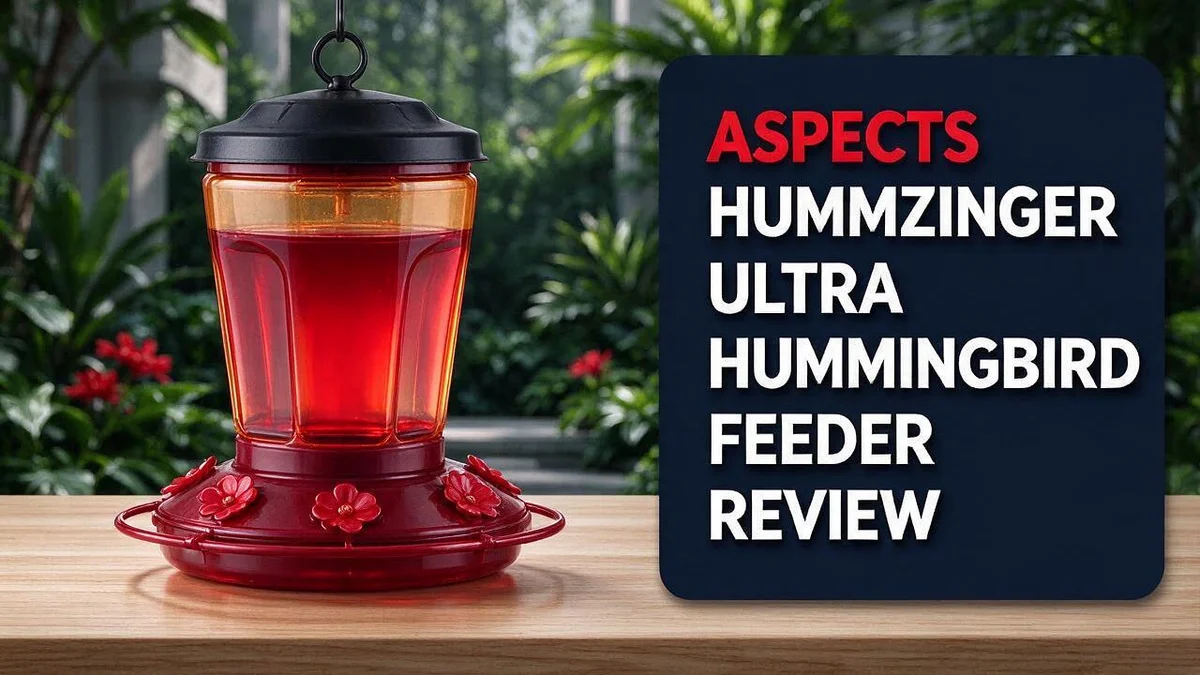
Picture a tiny hummingbird hovering by your porch. It sips, rests, and zips away. That moment feels like magic. The Aspects HummZinger Ultra Hummingbird Feeder aims to bring that scene to your yard. It holds 12 oz of nectar, so you refill it less often.
The bright red base attracts birds on its own. You do not need dye in your nectar.
The maker says the feeder is drip proof and leak proof. It also lets hummingbirds rest while they feed. One user says wasps cannot feed from it.
Users also call it durable and easy to clean. Is it the right feeder for your garden? This review covers the details so you can decide.
In a Nutshell
- Holds 12 oz of nectar. That generous capacity means fewer refills, so you spend more time watching birds and less time at the kitchen sink.
- Offers four feeding ports. The listing suggests this layout, so several hummingbirds may be able to sip at the same time.
- Lets birds rest while they feed. The maker says the design gives hummingbirds a place to perch. Perched birds often stay longer, which gives you more time to enjoy the show.
- Skips the dye. The red base does the attracting. You only need to fill the feeder with plain nectar.
- May keep wasps away. One user says wasps cannot feed from it. That is a single report, so treat it as a promising note and not a guarantee.
- Hangs with ease. You can hang it from a porch or a hook. Our research found no other drawbacks, which makes this a strong pick for backyard bird fans.
Design and Build Quality

Last update on 2026-08-26 / Affiliate links / Images from Amazon Product Advertising API Some of the links on this website are affiliate links, which means that at no additional cost to you, I earn a commission if you click through and make a purchase. I only recommend products and services that I believe will add value to my readers. Thank you for your support!
Every feeder lives outdoors through sun, wind, and rain. That is why the build deserves a close look.
The bright red base does more than draw birds in. It also gives the feeder a clear shape that you can spot from a window or across the yard.
A simple form often means fewer tight corners for old nectar to hide. Less hiding space makes it easier to keep the feeder fresh between refills.
Think about placement next. Hang it in partial shade during hot afternoons. Direct sun can warm nectar fast, and warm sugar water spoils sooner.
Color also shapes how the feeder looks in the yard. Red stands out against green leaves and blue sky. That contrast makes the feeder easy to spot from a distance.
Hanging is simple with a porch hook or a sturdy spot on a porch. Choose a place where the feeder swings less in a breeze, since calm spots make feeding easier for visitors.
Check the feeder every few weeks. Look at the seams, the ports, and the hanging hook. Catching a loose part early keeps the feeder working well all season.
Think of the build as a long-term test. Watch how the feeder handles weather over several months. A feeder that stays in good shape through rain and heat proves its worth more than any first impression.
Good build quality also means less fuss. A feeder that stays put and holds its shape needs fewer fixes, so you can focus on the birds instead.
Nectar Capacity and Feeding Ports
Think about how much nectar your birds really use. A full reservoir lasts longer on quiet days, but it also sits in the sun. Smaller refills keep the sweet liquid fresh.
More openings spread the crowd. Hummingbirds visit ports in short bursts, and they often check each opening before moving on. Extra choices mean one bold bird cannot block the rest.
Watch the ports during busy seasons. If birds fight over one spot, add a second feeder nearby. Spacing feeders across the yard can calm the crowd.
Fill the reservoir only partway during hot weather. Fresh nectar matters most when temperatures climb. Pour out leftovers every few days and rinse the reservoir before refilling.
Clean the feeding ports with a small brush. Sugar can crust inside narrow openings. Gentle scrubbing keeps the flow steady and the birds coming back.
Mix nectar at home using plain white sugar and water. Use roughly one part sugar to four parts water. Skip honey, red dye, and brown sugar, since they can harm birds.
Ants can climb the hanging line and reach the ports. A small ant moat above the feeder blocks them. Check the moat often so the water stays clear.
Note how the birds approach the ports. Some hover at each opening while others prefer a quick sip. Their habits can guide where you place the feeder.
Count the birds you see at once. If you notice only one or two visitors, the ports may be more than enough. A busy yard may need more feeding stations.
Keep a small log of refill dates. Writing down dates helps you spot when nectar runs low. Steady habits keep visitors happy all season long.
Leak-Proof Performance and Pest Resistance
Check the seal before every refill. Hold the feeder over a sink and turn it gently. A tight fit keeps nectar inside and pests outside.
Heat speeds up spoilage. Sun can warm nectar fast, and warm nectar sours sooner. Hang the feeder in partial shade when you can.
Wind and rain test any feeder. Make sure the hook sits firmly so the feeder does not swing into railings. Constant swinging can loosen parts over time.
Pests look for spills and sticky spots. Ants, bees, and flies follow even tiny drips around the ports. Wipe the outside after each refill so the surface stays dry.
An ant moat adds extra protection. Fill a small cup with water and hang the feeder line through it. Ants cannot cross the water to reach the nectar.
Overfilling causes leaks. Nectar can push past the cap when the reservoir is too full. Leave a little space at the top every time you fill it.
Watch for mold too. Look for cloudy nectar or dark specks inside the reservoir. Empty and scrub the feeder right away if you see either one.
Plan your checks around the season. In spring and summer, look at the feeder more often because birds visit more. A quick glance each morning helps catch problems early.
Keep a note of any drips you find. Patterns can show if placement or filling habits need a change. Small fixes often solve bigger problems before pests arrive.
Build a simple routine. Inspect the seal, wipe the outside, and refill with fresh nectar. Your birds will thank you for the care.
Top 3 Alternatives
Perky-Pet Glass Feeder

Last update on 2026-10-31 / Affiliate links / Images from Amazon Product Advertising API Some of the links on this website are affiliate links, which means that at no additional cost to you, I earn a commission if you click through and make a purchase. I only recommend products and services that I believe will add value to my readers. Thank you for your support!
The Perky-Pet Glass Feeder is a classic choice for backyard birders. It holds a good amount of nectar and has a clear glass reservoir. You can see the level at a glance. Its glass bottle sits inside a sturdy base. Many people like the bright red flower ports that draw hummingbirds in fast. Hummingbirds seem to love its open design.
Cleaning is simple. Take the parts apart and wash them with hot water. Avoid soap residue because it can harm birds.
First Nature Hummingbird Feeder

Last update on 2026-10-31 / Affiliate links / Images from Amazon Product Advertising API Some of the links on this website are affiliate links, which means that at no additional cost to you, I earn a commission if you click through and make a purchase. I only recommend products and services that I believe will add value to my readers. Thank you for your support!
The First Nature Hummingbird Feeder works well for small yards and balconies. It has a clear reservoir and feeding ports that stay easy to reach. Hummingbirds visit often once they find it. The design also resists leaks. Filling takes only a minute, so you can refresh nectar with less effort. Many backyard watchers call it a great starter feeder.
Look for a model with a hanging hook. This makes it easy to place near a window for close views.
Droll Yankees Flyer

Last update on 2026-10-31 / Affiliate links / Images from Amazon Product Advertising API Some of the links on this website are affiliate links, which means that at no additional cost to you, I earn a commission if you click through and make a purchase. I only recommend products and services that I believe will add value to my readers. Thank you for your support!
The Droll Yankees Flyer stands out with its unique design. Its built-in perch and wide feeding ports give birds room to rest. Its bright colors catch the eye from far away. The feeder uses a sturdy mount that spins freely. Squirrels often struggle with it, which helps keep nectar safe. Birds feel comfortable on this feeder. Clean it often so the nectar stays fresh.
Ease of Cleaning and Maintenance
Cleaning this feeder is a simple task for most owners. The listing and user reviews describe it as durable and easy to clean. A regular routine keeps the nectar fresh and the birds healthy.
Start by taking the feeder apart. Separate the red base from the reservoir so you can reach every corner. Wash each piece with warm water.
Keep one sponge just for the feeder. Store it away from kitchen tools so grease never reaches the feeder. Most owners finish a full cleaning in about ten minutes with the right tools.
Skip strong soaps. Dish soap residue can linger and put off hummingbirds. Soap can also leave a taste that birds avoid. Instead, rinse well with hot water until no suds remain.
Use a mild solution for stubborn film. Mix one part white vinegar with four parts water. Let it sit for a few minutes, then rinse thoroughly. Never let vinegar stay in the reservoir.
Dry every part before refilling. Wet parts can grow mold faster. Set the pieces on a clean towel in the shade. Air drying works best on a warm day.
Hot weather calls for more frequent washing. Plan a quick rinse every few days when temperatures climb. This habit stops bacteria from building up.
Inspect the parts after each wash. Look for cracks, loose fittings, or cloudy spots on the plastic. Replace worn pieces early so leaks do not surprise you later.
When the season ends, store the feeder indoors. Clean and dry every part first. Keep the pieces in a sealed bag until spring. Clean storage makes setup faster next year.
Good habits protect your birds and keep your yard lively all season.
Hummingbird Appeal and Perch Comfort
Hummingbirds live on quick bursts of energy. Their tiny wings beat dozens of times every second. Each feeding stop costs them real effort.
A comfortable feeding spot helps them stay longer. Birds that feel relaxed tend to linger. This gives you more chances to enjoy their visits.
The manufacturer says the HummZinger Ultra lets birds rest while they drink. That claim matters for busy yards. Many owners notice that birds linger longer at the feeder.
Resting time matters for hummingbirds. After a sip, many birds pause nearby. They save energy for flying and hunting insects. A feeder that supports this pause fits natural habits well.
Perch comfort also changes how birds behave. A steady position keeps the bird from tipping or fighting for balance. Calm birds tend to feed in a slow, gentle rhythm.
Watch a hummingbird at rest and you will see patience. It may tilt its head, preen its feathers, or look around for danger. These quiet moments show that the bird feels safe.
Comfort also helps shy visitors. Nervous birds often dart in and out. A calm setting gives timid species a better chance to feed.
Tall plants nearby give birds a safe place to wait between visits. Hummingbirds often watch from leafy cover before they come close. A quiet spot away from busy foot traffic often feels safer.
Watching these moments also brings joy to the people who feed them. Many families gather near a window to see the birds rest and sip. Simple moments like these make feeding feel rewarding.
Hummingbirds return to places where they feel at ease. A relaxed feeding station keeps your yard busy from spring through summer.
Placement and Hanging Options
Hanging spot matters more than many people think. The HummZinger Ultra hangs from a porch or hook, so pick a sturdy point first. A strong hook keeps the feeder steady when birds visit.
Choose a spot near a porch roof or tree branch. Shade from the roof offers some cover. Hummingbirds like quiet corners where they can feel safe.
Keep the feeder several feet from large windows. Birds dart quickly and may hit glass during a chase. Distance helps them avoid trouble.
Look at the view from inside your home. Many people place feeders where they can watch from a kitchen window or chair. Close viewing makes it easy to spot visitors.
Check the hook before each season. Rust or bent metal can loosen the hanger over time. A quick look now prevents a fall later.
Level the feeder so nectar sits evenly. A tilted feeder can drip from one side. Use a line that hangs straight down.
Sturdy hooks work best with a swivel. A swivel lets the feeder turn with the breeze without twisting the line.
Pick a spot away from cats and busy foot traffic. Birds feel calmer in quiet areas.
Move the feeder with the season. Hummingbirds may shift their routes as flowers bloom. Check the feeder spot each spring and fall.
A simple test helps you find the best place. Hang the feeder for a few days and track how often birds arrive. If few birds come, try another spot nearby.
Good placement makes the feeder easier to reach. Birds feel safe, and you enjoy the show more. Your yard will feel lively all season long.
Pros and Cons
Pros
- The manufacturer says it resists drips and leaks.
- Hummingbirds can rest while they drink.
- Users say the parts hold up well over time.
- One user reports that wasps cannot feed from it.
- The bright red base draws birds without any dye in the nectar.
Cons
- Most of the strong claims come from the maker, not outside tests.
- The four feeding ports are inferred from a cut off listing title.
- The 12 oz capacity may need frequent refills on busy days.
- The research found few other drawbacks, so reading more reviews helps.
Who Should Buy It
Beginners often feel unsure where to start. This feeder suits people who are new to backyard birding. It asks for little setup, so you can enjoy visitors sooner.
Families with children may also enjoy it. Kids can watch tiny birds from a window or porch. A simple design keeps their attention without a long lesson.
Busy households can fit feeding into daily routines. Checking the feeder while you drink morning coffee takes only a moment. Quick glances help you spot visitors and top off nectar.
Balcony gardeners with a sturdy hook can also join in. A small space still offers a view of colorful visitors. Even one feeder can bring life to a tiny outdoor corner.
Photographers who want steady subjects will appreciate it. A feeder draws birds to one predictable spot. Cameras can wait nearby, and birds often return to the same area.
Older adults who enjoy sitting outside may find it relaxing. Watching small birds can slow the pace of a day. Many people describe it as a calm daily ritual.
Teachers and nature clubs can use it as a learning tool. Students can record visit times, bird counts, and feeding habits. The clear activity makes lessons feel lively and hands on.
Renters should check with their landlord before hanging anything outdoors. A quick question can prevent problems later.
Overall, this feeder suits a wide range of people. Beginners, families, photographers, and nature lovers can all find a use for it.
Final Verdict
The Aspects HummZinger Ultra is a smart pick for most backyard bird fans. It keeps feeding simple, and that simplicity is its best quality.
The design focuses on what hummingbirds need. It offers a calm place to sip, a clear signal to attract visitors, and a build that looks ready for many seasons.
I like that the feeder asks very little from you. You fill it, hang it, and enjoy the show. Cleaning also looks straightforward, based on what users say.
The feeder also fits a long term habit. Hummingbirds remember good food sources. A steady feeder can become part of their yearly route, so your first season is a good start for future visits.
Give it a fair trial. Watch it for two weeks and note how often birds visit. Your own results will tell you more than any listing.
Who should buy it? Anyone who wants a dependable, low fuss feeder will be happy. Casual and experienced birders alike can get good use from it.
Who should wait? Shoppers who need to feed a large crowd of birds may want a second feeder. Others may prefer to compare a few options first.
Here is a simple plan for your first week:
- Fill it with fresh nectar and hang it in a calm spot.
- Check it each morning for a few days.
- Rinse it often to keep the nectar fresh.
Small details matter here. A feeder that hummingbirds trust will bring them back each day.
Our final word is positive. The HummZinger Ultra earns a strong recommendation from us. It gives you a friendly, easy way to bring hummingbirds closer to home.
Frequently Asked Questions
How often should I change the nectar?
In warm weather, change the nectar every two or three days. Fresh nectar stays safe for birds. If it looks cloudy, dump it right away and clean the feeder.
Where is the best spot to hang it?
Hang the feeder in partial shade. Direct sun heats the nectar and can spoil it fast. Pick a spot you can see from a window so you enjoy the visits.
How do I clean the feeder?
Rinse the parts with warm water after each refill. Use a small bottle brush for the feeding ports. Skip soap, because leftover residue can harm birds.
How long until hummingbirds find it?
Patience helps. Some birds visit within a day, while others need a few days. Keep the nectar fresh and the feeder in the same place. Birds learn the spot over time.
Can I make my own nectar?
Yes, you can. Mix one part white sugar with four parts water. Stir until the sugar dissolves, then let it cool before filling the feeder. Never use honey, dyes, or red food coloring.

Hello, I’m Emily Price, the founder of Birds Affection. As a passionate bird enthusiast and spiritual seeker, I’ve always been fascinated by the symbolic meanings and mystical connections between birds and our lives. On this website, I share my knowledge and insights on the spiritual significance of various bird species, exploring their roles as messengers, guides, and teachers. Through my writing, I aim to inspire and educate others on the profound wisdom and beauty that birds bring to our world. Join me on this journey as we delve into the enchanting realm of bird symbolism and discover the hidden meanings behind these magnificent creatures.