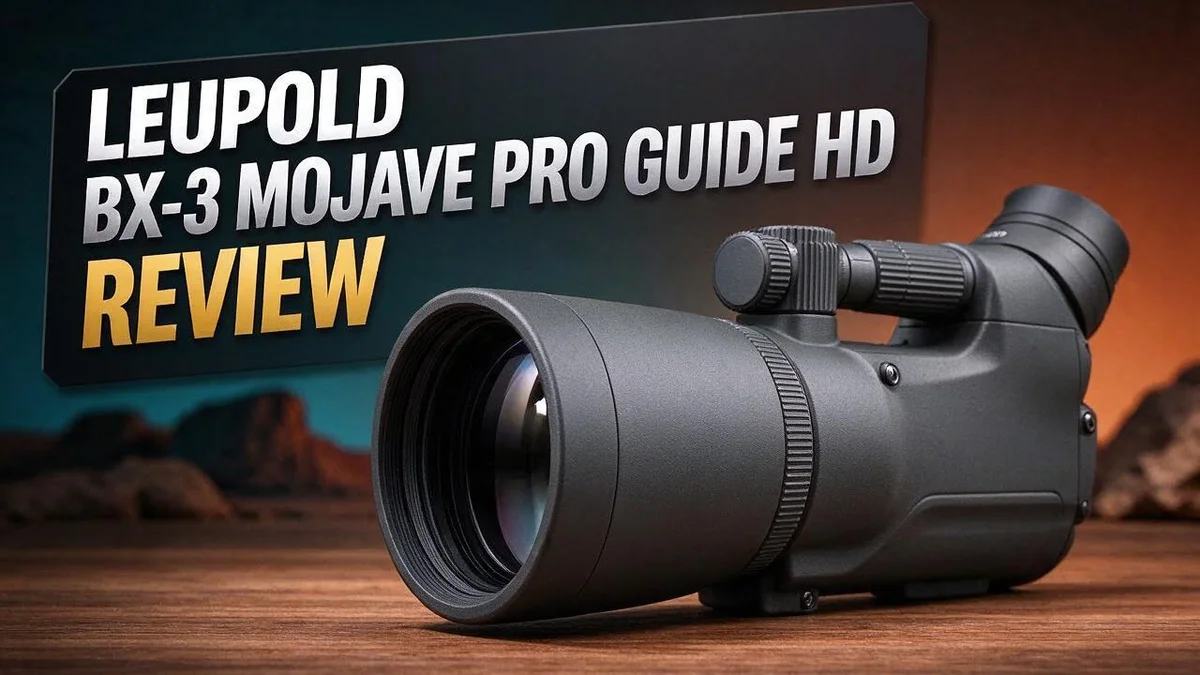
Leupold BX-3 Mojave Pro Guide HD Review: Worth Trying?
Do you want binoculars that show every detail on the trail? The Leupold Mojave Pro Guide HD aims to do exactly that.
This roof prism binocular comes in 8x42mm and 10x42mm. Its HD multi coated lenses deliver a clear, sharp image from edge to edge.
Users also praise its strong low light performance. Dawn and dusk views look bright and crisp. The body is waterproof, fog proof, and rugged. It stays light in your hands and feels easy to use all day.
In a Nutshell
- Sharp visuals: The view stays clear from edge to edge. The HD calcium fluoride glass and multi coated lenses help produce crisp, natural detail.
- Easy to carry: The binoculars feel lightweight and ergonomic. You can wear them all day without sore shoulders or tired hands.
- Simple to use: New users can pick them up and start scanning right away. Many consumer reviewers say they are very satisfied with them.
- One possible drawback: A 2013 reviewer flagged a narrow field of view on the 10x model. That comment came from published specs, not hands on testing. Another reviewer listed no cons at all.
- Worth comparing: The Vortex Crossfire HD is a rugged alternative with a better warranty. The Monarch M7 also deserves a look. The Leupold BX-4 ProGuide HD 12x50mm offers a larger, higher magnification option.
- Who should buy: Hikers, campers, and hunters will enjoy this pair most. It suits anyone who wants a dependable, easy to handle binocular outdoors.
Optical Quality and Image Clarity

Last update on 2026-11-24 / Affiliate links / Images from Amazon Product Advertising API Some of the links on this website are affiliate links, which means that at no additional cost to you, I earn a commission if you click through and make a purchase. I only recommend products and services that I believe will add value to my readers. Thank you for your support!
Good optics start with the glass. This special glass helps control how light moves through the lens system. The result is a view that feels true to what sits in front of you.
Color accuracy matters on the trail. Greens of pine needles and browns of bark look natural rather than washed out. Each lens coating works to keep those tones true.
Contrast is where you notice the difference. Shadows under a ridge line reveal more detail. Your eyes do not need to strain to pick a deer out of thick brush.
The coatings also cut glare. Light bouncing off wet rocks or a lake surface gets reduced before it reaches your eyes. Scanning feels calmer over a long morning.
Dawn and dusk viewing shows the real strength of these lenses. Animals move most during these hours. Bright, clean images help you spot movement before the light fades.
Sharp detail at distance matters for hunters. Far ridges and tree lines keep their outlines. You can judge terrain and cover from a long way off.
Depth in the view adds another layer. Objects in the foreground and background both look defined. This sense of depth helps you read a slope or a creek bed quickly.
Focus feels quick and precise. A sharp center point lets you lock onto a target fast. The rest of the scene stays easy to read.
Eye comfort completes the picture. Clear optics reduce squinting. You can spend more time watching the terrain instead of fighting the image.
Image quality also shapes trust in the gear. When the view looks true, you rely on what you see. That confidence helps you make smart calls in the field.
Keep lens quality strong with simple care. Wipe the glass with a soft cloth after each outing. Clean lenses keep the view bright and crisp for years.
Low-Light Performance
Low light is where many trail days get tricky. Dense forest shade, early morning fog, and fading evening sky all test your gear. Good low light performance keeps details visible when the sun drops.
Light gathering starts with the objective lens. The 42mm front lenses pull in plenty of light. Wider lenses catch more light than narrow ones, so the view stays bright when others go dim.
Exit pupil matters too. You get this number by dividing the lens size by the magnification. The 8x42mm model produces an exit pupil of about 5.25mm, while the 10x42mm produces about 4.2mm.
Your eye pupil opens wider in the dark. That is why the 8x model often fits low light viewing better. Many hikers never think about this number, yet it shapes how the view feels at night.
Choose the 8x model for dim conditions. It offers a wider field and a brighter image in shadow. Hunters who glass timber at first light often prefer this setting for that reason.
Low light also tests your eyes. Long watches at dusk can cause strain when the image looks dim or uneven. A steady grip and slow scanning help a lot. Rest your elbows on a tree or pack to keep the image still.
Larger models gather even more light. The Leupold BX-4 ProGuide HD 12x50mm uses a 50mm objective lens, which brings in more light for long evening watches. The tradeoff is extra weight and higher magnification that shows more shake in your hands.
Dust and smudges can steal light. Wipe the lenses with a soft cloth each morning and before dusk. A clean surface keeps the view sharp when light is weak.
Animals often move in the last light of the day. Quick detection gives you more time to plan a stalk or a safe route back to camp. A bright view helps you act with confidence.
Test them yourself before a trip. Step outside at dusk and look at a far tree line. Notice how well you can spot edges, shapes, and movement. That simple check tells you more than any spec sheet.
Build, Weight, and Weather Resistance
A binocular spends most of its life around your neck or in a pack. The build must handle bumps, drops, and long days outside. Here is how this model holds up in real use.
Hold it for a while and the balance matters. A light frame helps your arms stay steady when you scan a ridge line. Your neck will also feel less strain after a long walk.
Weight changes how often you use gear. If binoculars feel heavy, many people leave them in the bag. This pair stays easy to grab, so you spot wildlife more often.
Pack space matters on multi-day trips. A smaller footprint slides into a side pocket more easily. Pair it with a good harness to spread the load across your shoulders.
Weather tests every seam and hinge. Rain, snow, and sudden temperature shifts can wear down gear over time. Check how the focus wheel turns after a damp hike, since grit can slow it down.
Moving from a cold car into a warm room can fog the lenses. Let the binoculars adjust slowly before you pull them out for a close look. This simple habit keeps the view clear.
Simple care keeps the body in top shape. Rinse off salt spray after a coastal trip. Wipe off sand and mud with a soft cloth once you return home.
Store them in a dry bag with a silica pack. Trapped moisture can cause problems later. Check the eyecups and strap attachments before each new season.
Think about your own trip style. Light hikers may want the smallest load. Hunters who sit in cold blinds may value a grip that stays secure with gloves on. Ask which conditions you face most often.
A short field test helps too. Carry them on a rainy walk and see how the grip feels when wet. Then you know if this build fits your routine.
Top 3 Alternatives
Vortex Diamondback HD

Last update on 2026-07-01 / Affiliate links / Images from Amazon Product Advertising API Some of the links on this website are affiliate links, which means that at no additional cost to you, I earn a commission if you click through and make a purchase. I only recommend products and services that I believe will add value to my readers. Thank you for your support!
Vortex Diamondback HD binoculars give hunters and hikers clear, steady views. The roof prism design keeps the body compact and easy to carry all day. Fully coated lenses help bright images shine through even in low light.
The housing is waterproof and nitrogen purged. This means the lenses resist fog when temperatures swing. Many owners also value the lifetime warranty for peace of mind in the field.
Nikon Monarch 5

Last update on 2026-08-28 / Affiliate links / Images from Amazon Product Advertising API Some of the links on this website are affiliate links, which means that at no additional cost to you, I earn a commission if you click through and make a purchase. I only recommend products and services that I believe will add value to my readers. Thank you for your support!
Nikon Monarch 5 binoculars focus on sharp color and edge to edge clarity. The ED glass lenses reduce color fringing on high contrast scenes like tree lines and snowy ridges. Bright, true colors make wildlife spotting more enjoyable.
The body feels light in the hand, so it stays comfortable on long walks. It is also waterproof and fog proof. Birdwatchers often pick this model for its smooth focus and wide view.
Athlon Midas

Last update on 2026-11-24 / Affiliate links / Images from Amazon Product Advertising API Some of the links on this website are affiliate links, which means that at no additional cost to you, I earn a commission if you click through and make a purchase. I only recommend products and services that I believe will add value to my readers. Thank you for your support!
Athlon Midas binoculars deliver bright views at dawn and dusk. The ED glass keeps colors natural and details crisp across the whole image. A wide field of view helps you scan open land quickly.
The fully coated optics handle glare well during sunny afternoons. The rubber armor gives a firm grip, even with wet hands. This model suits anyone who wants strong performance in a compact frame.
8×42 vs. 10×42: Magnification and Field of View
Magnification is the first number you see on these binoculars. The Leupold BX-3 Mojave Pro Guide HD comes in 8×42 and 10×42 versions. Both models share the same 42mm lens size.
The 8x model feels steadier in your hands. Each extra power magnifies every small hand movement. At 10x, the view shakes more when you hold it freely. Many hikers find the 8x easier on a long ridge walk.
The 10x model brings distant objects closer. A deer at the edge of a meadow looks bigger and easier to identify. This helps when you check antler shape or spot movement across a wide valley.
Magnification also changes how fast you search. A higher power shows less of the scene at once. Finding a bird in a tall tree takes more time. Start wide with the 8x, then zoom in with the 10x once you know where to look.
Think about your daily routine first. If you scan large areas, the 8x helps you sweep the land quickly. If you watch one spot for a long time, the 10x rewards your patience.
Wildlife watchers often split on this choice. Those tracking fast birds or animals in brush usually pick the 8x. Those studying distant animals in open country often pick the 10x.
Your eyes also tire at different rates. Some people feel strain after an hour of high power viewing. Others barely notice the difference. Try both models before you decide.
Try this quick test at home. Pick a fence post about 200 yards away. Look through each model and note how fast you find it. Then hold each one for thirty seconds. Which view feels calm to your eyes?
People who sit and wait often prefer the extra reach. People who walk and search usually prefer the wider window. Your habits matter more than any chart.
Ergonomics and Ease of Use in the Field
Ease of use matters most when a deer steps out fast. You need to lift the glasses and find the animal quickly.
The Leupold BX-3 Mojave Pro Guide HD has an ergonomic body that fits well in the hand. Its lightweight frame makes using one hand easy.
Try a one hand test on your next walk. Hold the binoculars in your dominant hand and raise them to your eyes. Notice whether your thumb reaches the focus wheel without any fuss.
Gloves change the picture in cold weather. Thick gloves can make small controls hard to turn. Test the focus wheel with the gloves you plan to wear.
The rugged build suits rough trails. A binocular that bumps against rocks or brush should still feel solid in your hands.
Quick focus helps you catch moving wildlife. Use a light touch on the wheel. Small turns bring the image into sharp focus fast.
Eyecups matter for people who wear glasses. Check whether the eyecup folds down so you can see the full view.
Keep the lens cover on a short cord or in a pocket. You can open it fast when a bird lands nearby.
Good handling keeps you watching longer. Smooth controls and a steady grip mean less fumbling and more time with the view.
Carry the binoculars in a way that keeps them ready. A quick grab from a chest harness or a side pocket saves time when the action starts.
Think about your hand size too. Smaller hands may wrap around the body more easily, while larger hands may want more room.
Fit matters as much as features. Spend a few minutes holding the binoculars at the store or at home. A comfortable grip makes every hike more enjoyable.
In short, the Leupold BX-3 Mojave Pro Guide HD suits people who value simple handling. Hold it in your own hands and you will know if it fits your style.
Pros and Cons
Pros
- Clear image from edge to edge for a sharp view across the scene.
- Strong low light performance that helps at dawn and dusk.
- HD lenses with multi coating for bright, true colors.
- Satisfied owners report a dependable daily experience.
- Available in 8×42 or 10×42 so you can pick your style.
Cons
- The 10x model may have a narrow field of view, based on published specs.
- Few hands on tests confirm the 10x view in real conditions.
- Limited critical feedback exists, since one review lists no cons at all.
- The Vortex Crossfire HD offers a stronger warranty for buyers who want extra coverage.
Who Should Buy It
This pair suits people who spend long days outside. It works well for hikers, hunters, and bird watchers who want one reliable tool. Many buyers use it in every season, from spring hikes to cold autumn mornings.
Rainy trips are a strong reason to choose it. The binoculars are waterproof and resist fog. Sudden storms or damp mornings will not ruin your view. You can keep watching when other gear gets stuck in the wet.
Shared gear also benefits from this model. Families often pass binoculars from one member to another. The body fits a range of hand sizes. A teenager and an adult can both use it with ease.
Beginners can start with confidence. You do not need years of experience to enjoy it. The bright image helps new viewers spot small details. Learning feels more fun when the view looks clear and steady. Practice on a backyard bird feeder first.
Anyone who carries gear for miles should take note. Light weight matters on steep trails and long walks. Your neck and shoulders will thank you after a full day outside. Less weight also means you can keep watching longer.
Travelers can pack it with ease. It fits in a daypack beside a water bottle and snacks. Stadium visits, boat trips, and road trips all feel better with a pair close at hand.
Gift buyers often find it a smart pick. A new outdoor fan will appreciate a solid pair. It shows you paid attention to their hobby. A small case or strap can make the gift feel complete.
Skip this model if you need extreme reach. Some people want very high magnification for distant targets. The larger sibling may suit that need better. Your main activity should guide the final choice. Compare both options before you decide.
Final Verdict
The Leupold BX-3 Mojave Pro Guide HD earns our strong recommendation. It gives you a bright view, a solid build, and steady results outdoors. Few buyers report real problems.
Our bottom line: this is a dependable all around binocular. It does the basics very well. It also stays out of your way, which is what good gear should do.
Which Model Should You Pick?
Choose the 8×42 if you want an easier, steadier view. It gives you a wider scene and forgives small hand shakes.
Choose the 10×42 if you like extra reach. Keep in mind that the field of view may feel narrower, based on published specs.
Who Might Look Elsewhere?
Hunters in wide open country may want more power. The Leupold BX-4 ProGuide HD 12x50mm offers higher magnification and a larger objective lens. It also brings extra size, so you must decide if that trade fits you.
Other Options Worth a Look
The Vortex Diamondback HD is a top pick for camping and hiking. It makes a fair comparison for anyone who mostly walks trails.
The Monarch M7 also belongs on your shortlist. Put it next to the BX-3 and compare the views.
Brands like Zeiss, Nikon, Bushnell, and Seiko also make many popular models. Each brand has its own fans.
Our Final Advice
Try before you decide, if you can. Check the brightness, the focus feel, and the comfort at your eyes. Your own senses will tell you more than any chart.
The BX-3 Mojave Pro Guide HD suits buyers who want a simple, reliable tool for the outdoors. It asks for little and gives back a lot.
Pick your magnification, grab your pack, and go see what the wild has to show you.
Frequently Asked Questions
How can I check the field of view before I buy?
Start with the published specs for each model and compare the numbers side by side. Then visit a store if you can. Look at a distant tree or a building. A real view tells you more than a spec sheet alone. Pay close attention to how wide the scene looks at 10x.
How does the BX-4 ProGuide HD 12x50mm compare?
This larger sibling offers higher magnification and bigger lenses. It also weighs more in your hands and pack. The BX-3 suits daily trips and long hikes. The BX-4 suits people who need extra reach and do not mind the extra weight.
Who should skip the Mojave Pro Guide HD?
People who need very high power for far away targets may want a different model. Shoppers who plan to use 10x in tight woods should also compare carefully. Match the magnification to your main activity. That choice matters more than any single feature.
How do I keep the lenses clean?
Use a soft lens cloth and a small amount of lens cleaner. Wipe in gentle circles from the center outward. Keep the lens caps on when you pack the binoculars. Clean lenses help keep your view bright and sharp on every outing.

Hello, I’m Emily Price, the founder of Birds Affection. As a passionate bird enthusiast and spiritual seeker, I’ve always been fascinated by the symbolic meanings and mystical connections between birds and our lives. On this website, I share my knowledge and insights on the spiritual significance of various bird species, exploring their roles as messengers, guides, and teachers. Through my writing, I aim to inspire and educate others on the profound wisdom and beauty that birds bring to our world. Join me on this journey as we delve into the enchanting realm of bird symbolism and discover the hidden meanings behind these magnificent creatures.