Bushnell Legend 10×42 Review: Worth the Splurge?
Do you want binoculars that deliver sharp, bright views? The Bushnell Legend 10×42 aims to do exactly that.
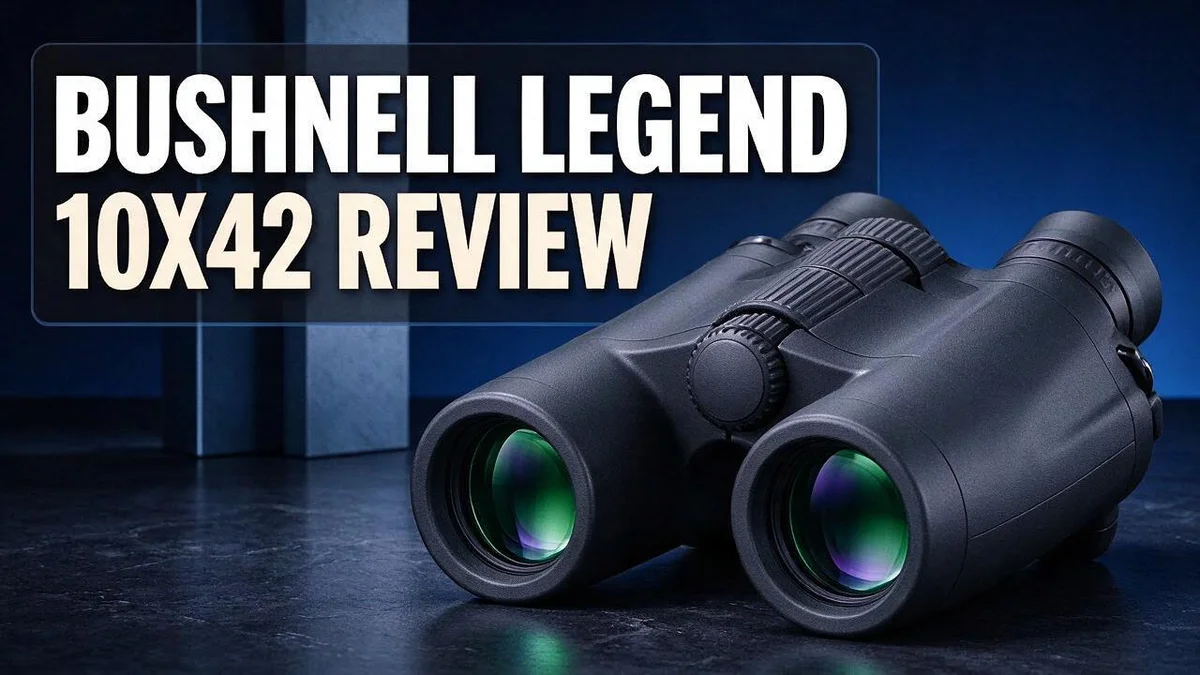
This binocular uses fully glass, fully multicoated optics. Ultra wide band coatings help it deliver strong resolution, contrast, and light transmission. It also performs well at sunrise, sunset, and in full sun.
The housing feels very solid. Distortion and flare stay low. However, the lens coating is not scratch resistant. One 2010 review also noted slight coma and astigmatism.
In this review, we look at these strengths and weaknesses closely. We also compare the Legend with rivals like the Vortex Diamondback HD. Let’s see if it deserves a spot in your bag.
In a Nutshell
-
Strong light performance: This binocular shines at sunrise, sunset, and in full sun. It gives above average results when the light is bright.
-
Clean image quality: You get strong resolution, contrast, and light transmission. Distortion stays negligible, and flare stays very low. Whites look natural and neutral, and blacks look deep.
-
Weather ready: A Dutch listing gives it an IPX7 rating. The outer lens coating also repels water, so rain and spray are less of a worry.
-
Known weak spots: The lens coating is not scratch resistant, so handle it with care. A 2010 review also noted slight coma and astigmatism.
-
Main rival: The Vortex Diamondback HD won Outdoorspro’s Editor’s Choice for 10×42 binoculars. It is the closest competitor we found.
-
Avoid a mix up: The Bushnell Legend Ultra HD 10×42 monocular with ED glass is a separate product. Check the listing before you buy.
Optical Quality and Image Clarity

Last update on 2026-08-28 / Affiliate links / Images from Amazon Product Advertising API Some of the links on this website are affiliate links, which means that at no additional cost to you, I earn a commission if you click through and make a purchase. I only recommend products and services that I believe will add value to my readers. Thank you for your support!
Clear views matter most when you scan a distant hillside. The Bushnell Legend 10×42 aims to deliver that clarity in many settings.
Colors look clean and natural. The binocular renders whites very well. Pale sand, clouds, and snow look true to life.
Dark areas keep their depth, too. Good blackening helps shadows stay rich instead of turning muddy.
Stray light rarely ruins the scene. Flare stays negligible, so bright sources do not wash out the view.
Straight lines stay straight. Distortion is also negligible, so fence posts and building edges look natural.
Edges need a little care. An older 2010 review noted slight coma and astigmatism near the outer part of the view.
Keeping your subject near the center gives the sharpest results. This habit matters most when you track fast birds or moving animals.
Ultra wide band coatings support this balance. They spread light across many wavelengths, which keeps brightness even and colors accurate.
In practice, the view feels calm and steady. Your eyes do not have to work hard to pick out detail. This matters on long walks or when you watch wildlife for hours.
Contrast also helps subjects stand out. A bird on a branch appears clearly against green leaves.
Changing light tests every optic in a different way. Dusk, fog, and bright snow each shift the scene. The Legend 10×42 keeps its image consistent across these changes.
You can get the most from the optics with a few habits. Wipe the lenses with a soft cloth after each outing. Set the diopter for each eye so the focus stays sharp.
Bird watchers and hikers will likely notice these traits first. Each one adds up to a view that feels natural and easy to trust.
Overall, the optics deliver a clear and dependable picture for most outdoor uses. Image clarity stays strong where it counts most.
Build Quality and Weather Resistance
A binocular spends most of its life in a bag, a pocket, or a hand. That means the body must handle daily knocks. The Legend 10×42 is made for that kind of routine use.
Rain and damp days are where it earns trust. The IPX7 rating means the body can survive a brief dunk in water. Light drizzle or a sudden downpour should not end your outing.
Water is only half the story. Dust, sand, and grit also cause trouble on trails. Wipe the lenses with a soft microfiber cloth after each trip. This simple habit keeps the glass clear and protects the coating.
Temperature changes also test any optic. Moving from a cold car into a warm room can cause fogging. Let the binocular adjust slowly to the new air before you raise it to your eyes.
Storage makes a real difference too. Keep the binocular in its case when you are not using it. Choose a dry, cool spot away from a car dashboard where heat builds up.
Straps and caps add extra protection. A neck strap keeps the binocular from swinging into rocks or branches. Lens caps shield the glass when you push through brush. Check that both fit snugly before each trip.
Regular checks keep the body in top shape. Look over the center hinge and focus wheel every few months. Tighten any loose screws you find during these checks. Small fixes now prevent larger repairs later.
Who benefits most from this build? Hikers, birders, and boaters who work in changing weather will appreciate it. Casual viewers at a stadium may not need the same level of protection. Choose based on how you plan to use it.
Simple care turns good gear into lasting gear. With steady habits, your binocular can serve you for many seasons. Good maintenance also keeps the view sharp year after year.
Performance in Bright and Low Light
Light changes fast on a trail. A good binocular must keep up with every shift.
The large 42mm objective gathers plenty of light. More light reaches your eyes, so dusk scenes look bright instead of gray.
Your pupil opens wider as the sun sets. An exit pupil of about 4.2mm helps match that change, so the view stays easy to hold.
Moving from open sun into forest shade can feel rough at first. Pause for a moment at the tree line. Let your eyes adjust before you lift the binocular.
Glare from water or snow can wash out a scene at midday. Try shading the eyepieces with your hand or a cap. This small step keeps the image crisp.
Dew often forms at dawn, and it can cloud the lenses fast. Wipe the front lenses gently with a soft cloth before you start your walk.
Steady hands matter most when light is low. Tuck your elbows against your chest, or lean on a tree or fence post. A still view shows more detail than a shaky one.
Practice helps too. Spend a few minutes at home scanning a street at dusk. You learn how the view changes as the sky darkens.
Keep in mind that this binocular is built for twilight, not full darkness. Stars and moonlit landscapes need a different tool.
Shadows often hide birds in thick brush. Slow down and sweep the edges of the shade. Your eyes catch movement before they catch color.
Patience pays off in dim light. Wait a minute longer than you think you need. Small movements in the brush often reveal a bird before the full shape appears.
Plan your viewing around the light. Scan early in the morning or late in the evening. You will spot wildlife more easily when the animals are active and the light is soft.
Top 3 Alternatives
Nikon Monarch 5

Last update on 2026-08-28 / Affiliate links / Images from Amazon Product Advertising API Some of the links on this website are affiliate links, which means that at no additional cost to you, I earn a commission if you click through and make a purchase. I only recommend products and services that I believe will add value to my readers. Thank you for your support!
The Nikon Monarch 5 gives you bright and clear views in low light. Its wide field of view helps you follow birds and wildlife with ease. Many outdoor fans also like its sturdy body and comfortable grip.
Best for: dawn birdwatching and long forest walks.
Vortex Diamondback HD

Last update on 2026-11-24 / Affiliate links / Images from Amazon Product Advertising API Some of the links on this website are affiliate links, which means that at no additional cost to you, I earn a commission if you click through and make a purchase. I only recommend products and services that I believe will add value to my readers. Thank you for your support!
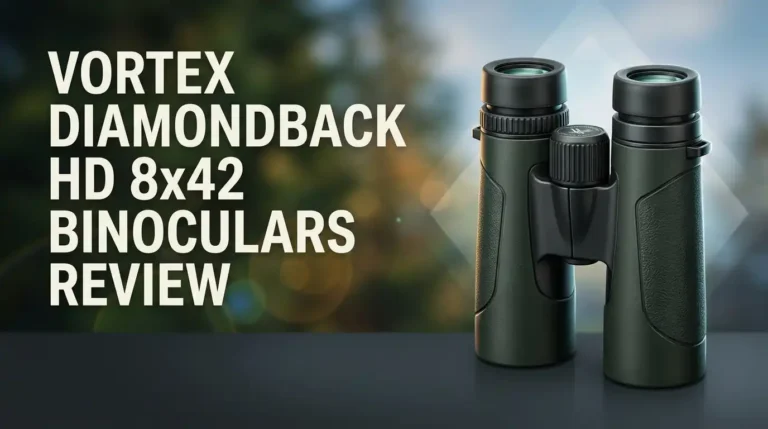
The Vortex Diamondback HD delivers sharp images from edge to edge. You can scan a whole tree line without losing focus. Its eye relief suits people who wear glasses. The water and fog resistance also keep the view steady in rain.
Best for: hunting trips, hiking, and wildlife viewing in changing weather.
Celestron Nature DX


Last update on 2026-08-27 / Affiliate links / Images from Amazon Product Advertising API Some of the links on this website are affiliate links, which means that at no additional cost to you, I earn a commission if you click through and make a purchase. I only recommend products and services that I believe will add value to my readers. Thank you for your support!
The Celestron Nature DX focuses on simple use and easy handling. It feels light in the hand, so you can hold it for a long time. Its close focus lets you see small insects, flowers, and fine details up close.
Best for: new observers and families who want to explore nature together.
Lens Coatings and Durability
The lens coatings on this binocular do a lot of quiet work. Every glass surface carries multiple layers of coating. These layers reduce glare and help more light reach your eyes.
Fully multi coated optics mean each lens and prism gets special treatment. Light passes through with fewer losses. The result is a bright and clear view from edge to edge.
The exterior lenses also have a water repellent coating. Raindrops bead up and roll off the glass. You can clear them away with a quick wipe instead of waiting for them to dry.
This feature helps during drizzle or morning mist. A clear lens means a clear view. You do not need to stop every few minutes to dry the glass.
Scratch resistance is the weak spot. The lens coating is not scratch resistant. Fine scratches can build up over time. They can scatter light and soften the image.
Small marks are easy to miss at first. Over the years, they add up. Check the lenses once a month in good light. Look for haze, streaks, or tiny marks, and catch them early.
Cleaning method matters a lot. Blow off loose grit first. Then use a soft microfiber cloth and wipe in gentle circles. This simple routine protects the coating.
Avoid paper towels, shirt sleeves, and tissues. These materials can leave tiny scratches on the glass. Some harsh cleaning fluids can also damage the coating over time.
A lens brush works well for the outer glass. If you use a cleaning liquid, spray it onto the cloth rather than the lens. Liquid can seep into the edges and cause trouble.
Eyepiece lenses need care too. Oil from your skin can smudge the eyecups and glass. Wipe them gently after a long session, and they will stay clear.
Good habits protect the coating for years. A little care goes a long way. Clean optics give you the sharp, rich views this binocular is known for.
Magnification, Field Use and Handling
The 10x power brings distant subjects much closer. A bird on a far branch or a deer across a meadow looks clear and detailed.
Higher power also magnifies small movements. Your hands may shake a little, so the image can bounce. Bracing your elbows against your chest helps a lot.
Plan your stance before you look. Spread your feet, lean on a tree, or rest your elbows on a rail. Stable support turns a shaky view into a calm, detailed one.
The 42mm front lenses add some bulk, so the unit feels more substantial than small pocket models. Many hikers find the size comfortable for long walks.
The housing feels solid in the hand. It gives a firm grip on rough ground. Your fingers rest easily around the barrels during a long scan.
Negligible distortion keeps straight lines looking natural. Fence posts and tree trunks look true to life. Scenes feel real, which helps when you track movement.
A center focus wheel lets you adjust the view with one hand. Quick focus helps when a bird flits between branches. Keep your eye relaxed while you turn it.
Eye alignment also matters for comfort. Adjust the eyecups so the full image fills your view. A clear view feels calm, not strained.
Field of view is narrower at this power. Sweep slowly across the scene. Small steps help you find the subject without losing it.
Keep the binocular ready at your chest on trails. You can raise it fast when wildlife appears. Quick access means fewer missed moments.
Practice makes handling feel natural. Try it on a few nearby targets first. Your hands learn the weight and balance within a few outings.
Check your view before each walk. A quick test on a fence or sign shows whether the focus and alignment feel right. That habit saves time in the field.
Pros and Cons
Pros
- Strong resolution shows fine feather detail clearly.
- High contrast gives crisp, vivid views.
- Strong light performance holds up at sunrise, sunset, and full sun.
- Negligible flare and good blackening keep views clean.
- Excellent whiteness rendition makes colors look natural.
Cons
- Slight coma and astigmatism appear in an older 2010 review.
- Edges may look less sharp than the center.
- The 2010 test data may not match newer models.
Who Should Buy It
This binocular suits people who love watching things from far away. It works well for anyone who wants a clear view without carrying a heavy spotting scope.
Birdwatchers are a natural match. They can pick out songbirds in dense leaves and track hawks high overhead. A steady, detailed view helps them spot small field marks that smaller binoculars often miss.
Hunters and wildlife photographers also gain from this model. Scouting becomes easier when the sun drops low. Animals at the edge of a meadow stand out against the background, so careful observers can plan their next move.
Hikers and road trip families can enjoy it too. Scanning a mountain ridge or a lake shore feels rewarding after a long day outside. Kids often love the big view of boats, deer, and distant landmarks.
Sports fans who watch races or field events from the stands can use it as well. Distant athletes and boats stay easy to follow from the back rows.
Who should think twice? People who want a pocket size companion may prefer a compact model instead. Anyone who plans to chase fast moving subjects through thick brush may find the narrow field frustrating.
New users should also consider their habits. Practicing on nearby objects first helps them learn how the focus wheel responds. This short warm up builds confidence before a big trip.
Owners who enjoy simple upkeep will see the best results over time. A dry case and a careful routine keep the optics ready for many seasons.
In short, this binocular suits outdoor fans who want strong views at a distance. Casual users who prefer light carry gear may look elsewhere. Think about your daily plans before you decide.
Final Verdict
The Bushnell Legend 10×42 earns a strong recommendation from us. It gives you premium glass quality and a dependable build for everyday outdoor use.
Weather protection adds real peace of mind. A Dutch listing mentions an IPX7 rating, so rain should not stop your day. The exterior coating also helps water bead and roll off.
The main trade off is the lens coating. It does not resist scratches well. Store the binocular in its case and keep the lens covers on when you walk.
That one weakness is easy to manage. Careful habits protect the glass for years.
Vortex Diamondback HD
Every good review should name a rival. The Vortex Diamondback HD is Outdoorspro’s Editor’s Choice for 10×42 models. It deserves a look before you decide.
We suggest you compare both models in person if you can. Hold each one and check how the focus wheel feels. Notice how each one sits against your face.
Personal comfort often decides the winner between two strong options.
Why the Legend still stands out
This model combines bright views, a firm housing, and natural color in one package. Few binoculars blend those traits so well. Light conditions change fast outdoors, and this unit keeps up.
Our final word
Choose the Bushnell Legend 10×42 if you want a binocular you can trust season after season. It rewards careful owners with sharp, honest views. Treat the lenses kindly, and you will enjoy it for a long time.
We feel confident calling it a smart pick for serious outdoor viewing.
Frequently Asked Questions
Is the Bushnell Legend 10×42 good for beginners?
Yes, new users can enjoy it. The views are bright and clear. However, 10x magnification makes small hand movements look large, so brace your elbows against your chest for a steadier image.
Do I need a tripod with this binocular?
Not always. A tripod helps when you watch distant targets for long periods. It removes shake and can reduce eye strain. Many people still hand hold it for quick views.
How do I clean the lenses safely?
Use a soft brush first to remove dust and grit. Then wipe gently with a microfiber cloth. Avoid paper towels, because they can leave fine scratches on the coating.
How does it compare with the Vortex Diamondback HD?
Outdoorspro names the Vortex Diamondback HD as its Editor’s Choice for 10×42 models. This makes it the main rival to consider. Compare both models in your hands to see which one fits you best.

Hello, I’m Emily Price, the founder of Birds Affection. As a passionate bird enthusiast and spiritual seeker, I’ve always been fascinated by the symbolic meanings and mystical connections between birds and our lives. On this website, I share my knowledge and insights on the spiritual significance of various bird species, exploring their roles as messengers, guides, and teachers. Through my writing, I aim to inspire and educate others on the profound wisdom and beauty that birds bring to our world. Join me on this journey as we delve into the enchanting realm of bird symbolism and discover the hidden meanings behind these magnificent creatures.