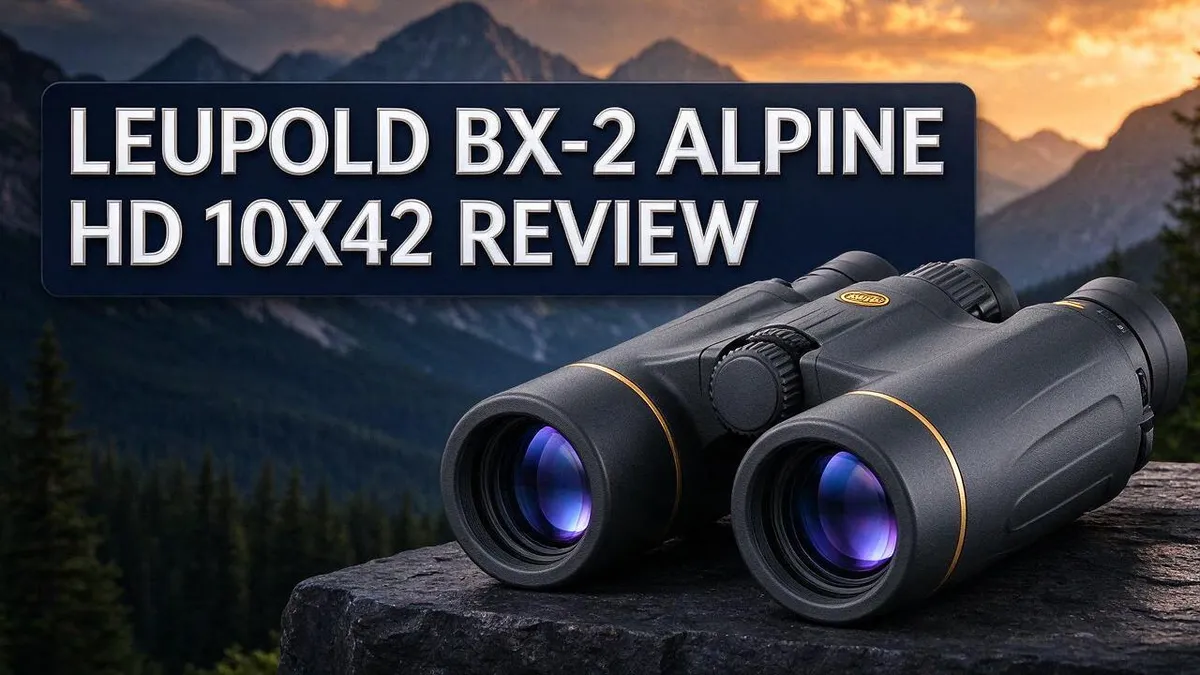
Leupold BX-2 Alpine HD 10×42 Review: Worth the Price?
Do you want a binocular that stays sharp when the light fades? The Leupold BX-2 Alpine HD 10×42 aims to do exactly that.
This model brings 10x magnification and a 42mm objective lens. Reviewers describe the views as bright, clear, and sharp at dawn and dusk.
The open bridge roof prism design keeps the weight friendly for travel. The central focus dial makes quick adjustments easy. The housing is waterproof, fogproof, and wrapped in EXO-Armor.
In a Nutshell
- Bright and sharp views: Reviewers report clear, crisp images at dawn and dusk. The Elite Optical System plays a big role here.
- Easy to focus: The central focus dial is simple to use. You can lock onto a distant target quickly, even with cold hands.
- Rugged build: The EXO-Armor housing protects the binocular from bumps. It is also waterproof and fogproof, so rain and humidity should not ruin your day.
- Tripod ready: A built in tripod adapter port lets you mount the binocular. A steady mount helps during long glassing sessions.
- Close rivals: One reviewer rated the Leupold Diamondback 10×42 slightly better. Another found the BX-2 Alpine 10×50 offers better resolution.
- Overall verdict: The research lists no clear flaws. Users praise its excellent magnification and call it “best in class.” Hunters and hikers should find plenty to like.
Optical Clarity and Low-Light Performance

Last update on 2026-11-24 / Affiliate links / Images from Amazon Product Advertising API Some of the links on this website are affiliate links, which means that at no additional cost to you, I earn a commission if you click through and make a purchase. I only recommend products and services that I believe will add value to my readers. Thank you for your support!
Low light scenes test every binocular. The exit pupil of this model measures about 4.2 millimeters. A larger exit pupil means more light reaches your eyes inside shadowy timber.
Your eyes need time to adjust. Leupold pairs this glass with its Elite Optical System, which supports natural colors as the sky dims.
Contrast matters just as much as brightness. Shadows can hide animals against brush. Strong contrast helps you spot a shape, a leg, or an antler line before it fades into the background.
Glare can ruin a late afternoon session. The stray light control keeps harsh reflections from washing out the view on wet rocks or fresh snow.
Watch how the image changes as you move. Step from a sunlit ridge into a dark valley and notice how quickly the scene adjusts. A smooth transition helps you keep your target while your eyes catch up.
Who benefits most? Anyone who glasses at first light or last light will notice the difference. Bird watchers near forest edges and hikers on early trails gain the most. If you use it mainly in bright midday sun, the low light strength still helps but matters less.
Use the focus dial slowly in dim light. Small turns help you find the sharpest point before your subject moves.
Keep the lenses clean before each outing. Dust and fingerprints scatter light and reduce clarity, especially at dusk. A soft cloth and a quick wipe keep the glass ready for the best view.
Choose your viewing spots with care. Position yourself so the light source sits in front of you, since light from behind can cut contrast.
Overall, this model handles fading light with confidence, so you can keep watching longer.
Design, Build and Weather Resistance
When the weather turns, a binocular must keep working. This Leupold model is waterproof and fogproof, so rain and damp air stay out of the optics. Fog is a sneaky problem. Cold mornings and sudden temperature shifts can cloud the lenses. A fogproof build keeps the inside clear, so your view stays sharp when the air changes. Condensation can ruin a morning hike in seconds.
The listed rating runs from minus 40 to 160 degrees. The unit is not stated in the research, so check the manual before heading into extreme cold or heat.
Wet weather still asks for care. Shake off raindrops, then dry the outer body with a soft cloth. Skip rough towels, since grit can scratch the lens coatings.
Store your binocular in a dry case during storms. Let it warm up slowly after a cold hike indoors. This simple habit helps prevent condensation from forming on the lenses.
Quick care routine: After each outing, wipe the lenses with a microfiber cloth. Check the focus dial for grit, then store the binocular with the caps on.
Hot cars can cause trouble too. Leave the binocular out of direct sun on a dashboard. Heat can stress parts over time, even with a tough body. Use a strap or harness on rocky trails. A firm hold reduces the chance of a drop that could harm the seals.
Build quality matters most on long trips far from the car. Hikers, hunters, and birders in damp or changing climates gain the most. Strong weather protection means fewer worries about surprise showers. Anyone who packs for several days will value that peace of mind.
Focusing, Handling and Ease of Use
Focusing a binocular should feel quick, not frustrating. On this model, the central focus dial sits where your fingers naturally rest. Your hands find it without looking down.
Tracking moving animals is where handling really matters. A smooth turn of the dial helps you keep up with a deer that steps behind brush. Practice this at home with a target across the room so your hands learn the motion.
Handling starts with the grip. A compact body sits comfortably in your hands for long stretches. A lighter frame can reduce arm fatigue during long sits.
Steady views need support. Mounting the binocular on a tripod removes hand shake, so focusing feels easier on distant ridgelines. Small turns of the dial become easier to control when the image stays still.
Cold fingers make small movements hard. Try wearing thin gloves during practice so you can still reach the dial. In dim light, turn the focus slowly, since fast turns can make you overshoot the sharpest point.
Spend a few minutes with the binocular before your first outing. Get comfortable with how the weight sits in your hands. Learn how far you need to turn the dial from close to distant targets.
Hold the body with both hands when you pan across a wide field. Keep your elbows tucked close to your ribs for extra stability. This small habit reduces shake and keeps the view clear.
Overall, the handling feels simple and direct. Beginners can learn the controls in minutes. Experienced users will value the quick, predictable response. Quick practice builds confidence fast. Take time to learn it before the season starts.
Top 3 Alternatives
Vortex Diamondback HD

Last update on 2026-11-24 / Affiliate links / Images from Amazon Product Advertising API Some of the links on this website are affiliate links, which means that at no additional cost to you, I earn a commission if you click through and make a purchase. I only recommend products and services that I believe will add value to my readers. Thank you for your support!
Looking for bright and clear binoculars? The Vortex Diamondback HD is a great pick. It delivers sharp views across the whole field. Its roof prism design keeps the body slim and light, so hikers and bird watchers can carry it all day.
The fully multicoated lenses help colors look natural. You also get good low light performance at dawn and dusk. The rubber armor protects the body from bumps and light rain. Its twist up eyecups make it easy to use with or without glasses.
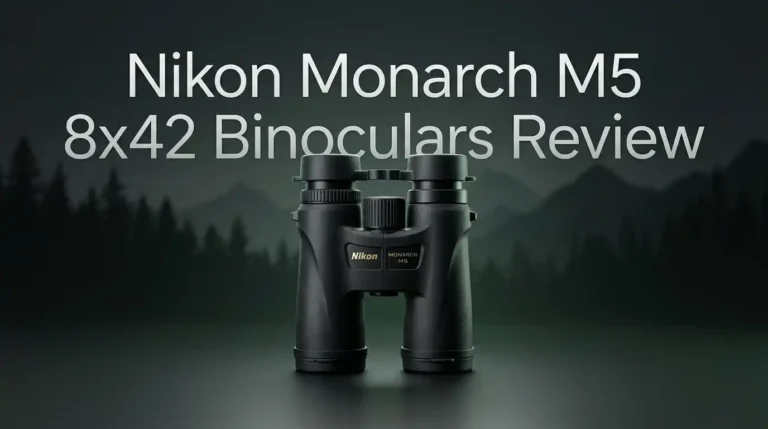
Nikon Monarch 5

Last update on 2026-08-28 / Affiliate links / Images from Amazon Product Advertising API Some of the links on this website are affiliate links, which means that at no additional cost to you, I earn a commission if you click through and make a purchase. I only recommend products and services that I believe will add value to my readers. Thank you for your support!
The Nikon Monarch 5 is another strong option. It gives you wide, bright images that stay crisp from edge to edge. The eye relief works well for people who wear glasses, so you can scan a meadow or ridge without strain.
The water resistant body handles damp weather with ease. The focus wheel turns smoothly, so you can lock onto distant targets fast. Its wide field of view helps you track moving birds or players. The lens coatings also reduce glare, which keeps colors true in bright sun.
Zeiss Conquest HD

Last update on 2026-10-28 / Affiliate links / Images from Amazon Product Advertising API Some of the links on this website are affiliate links, which means that at no additional cost to you, I earn a commission if you click through and make a purchase. I only recommend products and services that I believe will add value to my readers. Thank you for your support!
The Zeiss Conquest HD focuses on top level clarity. Its lenses deliver rich contrast and fine detail. Many users notice how well it handles shadows and bright light. The image feels calm and easy on the eyes.
The build feels solid and well made. The rubber coating gives a firm grip, even in cold or wet conditions. The fast focus helps you catch fleeting moments on the trail. If you value sharp color and steady views, this pair is worth a close look.
Weight, Portability and Tripod Compatibility
Carrying gear all day can wear anyone down. The Leupold BX-2 Alpine HD 10×42 earns praise for its good travel weight, so it feels manageable on a long walk.
Weight matters most when you hike far from the car. A lighter load keeps your neck relaxed and your stride steady. Adjust the strap so the binocular rests high on your chest.
A binocular that feels light in the shop can feel heavy after five miles. Test the setup on a short walk first. Notice where your shoulders start to ache.
Pack the binocular in a padded pocket of your daypack. Keep it away from hard items like water bottles or tools. This habit protects the lenses and the rugged housing.
The body includes a tripod adapter port built right in. Many standard tripods use a threaded mount that matches this port.
Check your tripod head before you buy. Make sure the plate or clamp fits the binocular’s mount. A quick release plate speeds up setup in the field. Practice the swap at home first.
Tripods add weight, so balance matters. A heavy head can tip when the binocular sits on top. Choose a sturdy base and spread the legs wide on soft ground.
Tripods also let you rest your arms during long scans of open country. Many hunters rely on this during slow evening watches.
Think about your trip length before you decide. Short walks need only a strap and a case. Long watches from a blind benefit from a stable mount.
Always check the official spec sheet for the exact weight in grams or pounds. Then compare it with the gear you already carry.
Magnification and Field Use: 10×42 vs 10×50
Magnification sets the stage for every view. Both models share 10x power, so distant elk and deer look equally close. The real difference lies in how much light each lens gathers.
The 10×42 model has an exit pupil of about 4.2mm. The 10×50 model reaches about 5.0mm. A larger exit pupil sends more light to your eyes in dim conditions.
Light gathering matters most at dawn and dusk. Animals move most during these hours. A wider beam helps you spot them in shadowy timber before they slip away.
Field use favors the 10×42 for most daily trips. Its smaller lens suits quick glassing from a tailgate or a ridge edge. You can sweep the view fast without a bulky body getting in the way.
Reviewers in the research split on the winner. One rated the Diamondback 10×42 slightly higher. Another found the 10×50 offers better resolution, so sharpness may favor the larger model for some users.
Your eyes play a role here too. Viewers who wear glasses may notice differences in edge sharpness more than others. Try both models at eye level before you decide.
Scene type also shapes the choice. Dense forest rewards brightness and wide views. Open meadows reward steady, clear magnification at long distance.
Test both models if you can. Visit a shop and look at a distant rooftop at dusk. Compare edge clarity and how quickly the image settles.
Pick the 10×50 when low light rules your schedule. Pick the 10×42 when you want a balanced option for changing terrain. Either choice gives you a clear window into wild country.
Watch for the 8×42 listing, which is a different model with lower power.
Value for Money
Think about how long you plan to keep your binoculars. A good pair can serve you for many seasons. This model is built for that kind of long life.
The armored housing protects the body from bumps and drops. Rocky ridges and brushy trails can be hard on gear. Extra protection helps your binoculars survive rough days in the field.
Weather is another factor. The model is waterproof and fogproof. Rain and sudden temperature shifts are less likely to cut your day short.
Light performance adds lasting benefits. The research notes up to 20 more minutes of glassing light. It also claims an 85 percent cut in glare-producing stray light. Those gains help during long hours at dawn and dusk.
Owners often describe the views as bright, clear, and sharp. Many also find the focus easy to use. Reviews call the optics best in class, though that comes from a forum post.
Check the model number before you buy. The 8×42 model 181176 is a different product with its own specs. Confirm you have the 10×42 version so your expectations match.
Look at how you will use the binoculars each week. Daily trips from a truck need less bulk than long backcountry hikes. Match the design to the trips you take most often.
Trust also grows over time. When your gear works in rain, fog, and low light, you spend less time worrying about it. You focus on the animal or the bird instead.
Strong build quality and clear optics make a binocular a lasting companion. Pick the model that fits your hunts, your climate, and your habits. Then you can enjoy years of clear views in the field.
Pros and Cons
Pros
- Bright, clear, and sharp views at dawn and dusk.
- Easy to focus with the central dial.
- Waterproof and fogproof for wet or cold days.
- Tough armored housing handles bumps and drops.
- Built-in tripod port adds steady support.
Cons
- The research lists no clear drawbacks.
- One reviewer rated the Diamondback 10×42 slightly higher.
- Another reviewer found the 10×50 offers better resolution.
- The 8×42 model is different, so check the model number.
Who Should Buy It
Hunters who glass open country should look closely at this model. It suits people who spend long hours scanning hills, fields, and timber edges for game.
Hunters who scout new land also gain value. Scouting in spring, summer, and fall calls for one dependable pair.
Wildlife watchers find plenty of use here. Birders can track songbirds and raptors at a distance with a steady 10x view.
Families who visit state parks can share one pair. Kids love spotting deer, hawks, and boats from a trail overlook.
Early risers who love sunrise walks also gain from this model. The bright views help them spot movement early in the day.
New outdoor fans can start with confidence. The controls stay simple, so beginners learn the basics fast. One pair can handle hikes, camp trips, and backyard birds without a steep learning curve.
Boaters and anglers make another good match. They can scan shorelines, read the water, and spot birds on the lake.
Who should look elsewhere? Shoppers who need a tiny pair for a jacket pocket may prefer a compact design. This model is built for distant viewing, so close-up work on insects or flowers may feel less natural.
Shoppers who already own a larger pair should compare them first. Ask whether the extra power matters on your trips.
Choose this model if you want one dependable pair for many outdoor days. It fits people who value clear distant views more than size. Many buyers end up using their pair daily, not just on trips.
Final Verdict
The Leupold BX-2 Alpine HD 10×42 earns a strong recommendation from me. It does the main job of a binocular very well. Reports describe a dependable, clear, and steady performer.
The Elite Optical System is a key reason. Leupold says it cuts stray light that causes glare by 85%. That claim fits the crisp, clean images owners describe.
The mix of reach and light gathering is a classic choice. It works for long glassing sessions as well as quick checks. Few binoculars balance those two goals so neatly.
Praise for this model spans several years. A 2020 forum post called it best in class. A 2024 review pointed to excellent magnification.
That long record matters. It suggests the binocular holds up season after season. Lasting approval is a good sign for any optic.
The research also lists no clear flaws. That does not make the model perfect. It does mean you face few reasons to hesitate.
Think of it as a smart, low risk pick for most outdoor users. It handles the basics with ease. It also adds useful extras without extra fuss.
Here is my final advice. Confirm the model number first, since similar listings exist. Then check the current listing and add this binocular to your gear.
In short, the BX-2 Alpine HD 10×42 is a confident, well rounded choice. It rewards you with sharp views and calm, easy use. Most buyers will be glad they picked it.
Frequently Asked Questions
What does 10x magnification mean for daily use?
Ten times magnification brings distant deer, birds, or landmarks much closer. A steady stance matters most at this power. Rest your elbows on a fence post, a tree, or the hood of a car. The image stays calmer and easier to follow.
Does this model reduce glare on water or snow?
Leupold claims an 85 percent reduction in glare-producing stray light. This claim appears in a Field Tested review from February 2020. Glare control helps most on bright lakes, snowfields, and sunny beaches, where light bounces hard into your eyes.
Is it comfortable to carry on long hikes?
Reviewers describe the travel weight as good for trail use. Hold the binoculars in your hands before a long trip. Check how the neck strap sits on your shoulders. A balanced feel makes all-day carrying far easier.
How should I clean the lenses?
Blow off loose dust or sand first. Then wipe the lenses with a soft microfiber cloth. Never use a shirt or paper towel, because these can leave tiny scratches on the coating over time.
Can a beginner learn to use these binoculars quickly?
Yes, most beginners adjust to this model within a short time. Start by focusing on one distant object with the center dial. Then scan slowly from left to right so your eyes can settle into the view.

Hello, I’m Emily Price, the founder of Birds Affection. As a passionate bird enthusiast and spiritual seeker, I’ve always been fascinated by the symbolic meanings and mystical connections between birds and our lives. On this website, I share my knowledge and insights on the spiritual significance of various bird species, exploring their roles as messengers, guides, and teachers. Through my writing, I aim to inspire and educate others on the profound wisdom and beauty that birds bring to our world. Join me on this journey as we delve into the enchanting realm of bird symbolism and discover the hidden meanings behind these magnificent creatures.