First Nature 3055 Hummingbird Feeder Review: Worth the Price?
Do you love watching hummingbirds zip around your yard? The First Nature 3055 Hummingbird Feeder may help you bring them closer.
This review looks at the 32 oz set of 3. The feeders use plastic construction and come in a hanging style.
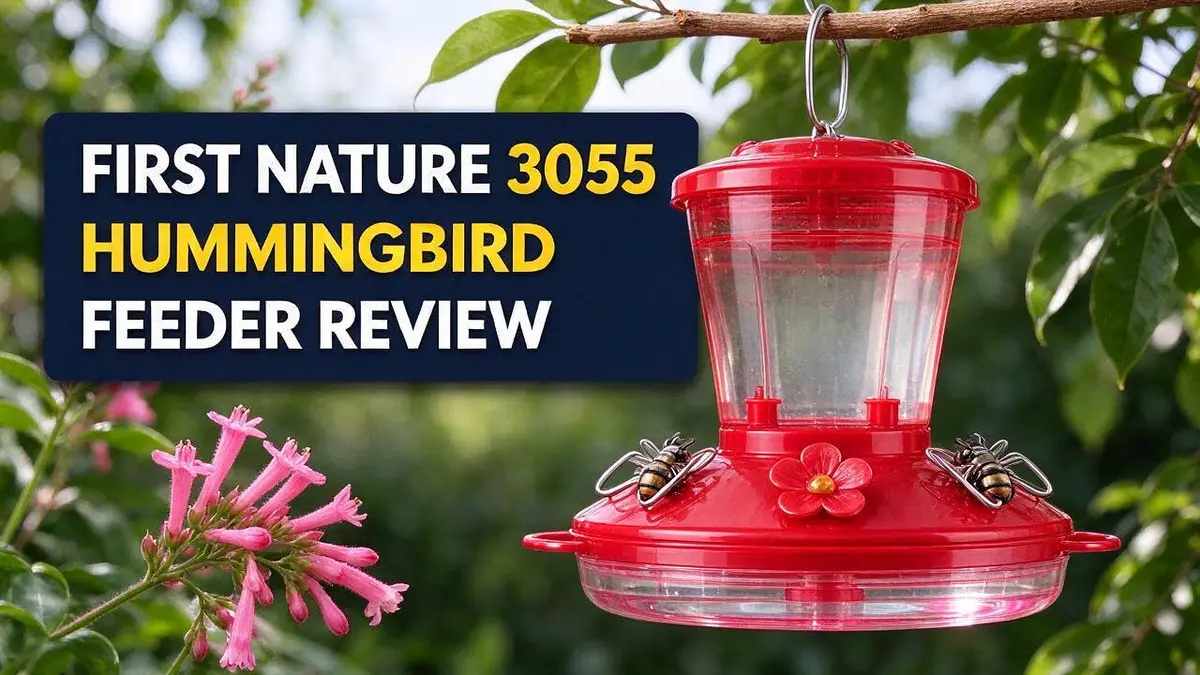
Each feeder has a red base with yellow flowers. The listing says the red color helps attract birds. It also says the yellow flowers discourage bees and wasps.
The top gives you an easy refill. You pour in fresh nectar and hang the feeder back up.
In this review, we cover the main features and how the design works. We also share what to know before you buy. Let’s see if this feeder fits your garden.
In a Nutshell
-
Who it suits: This feeder works well for backyard bird fans who want a simple way to offer nectar to hummingbirds.
-
Hanging setup: You hang it from a hook, branch, or porch beam. This gives hummingbirds a clear spot to approach and feed.
-
Plastic build: The feeder uses plastic, so it stays light. That makes hanging and moving it easy for most people.
-
Bee and wasp claim: The listing says the yellow flowers discourage bees and wasps. We have no test data to confirm this, so treat it as a maker claim.
-
Related 16 oz model: A separate listing shows a smaller version with 10 feeding ports and a round perch design. It may suit you if you want a smaller nectar supply.
-
Our take: The listing does not share clear pros, cons, or user test results. Check recent buyer feedback before you decide, and clean the feeder often to keep the nectar fresh.
Design and Build Materials

Last update on 2026-10-31 / Affiliate links / Images from Amazon Product Advertising API Some of the links on this website are affiliate links, which means that at no additional cost to you, I earn a commission if you click through and make a purchase. I only recommend products and services that I believe will add value to my readers. Thank you for your support!
Materials matter more than many people expect. A feeder hangs outside all year, so it must handle sun, rain, and wind.
The First Nature 3055 uses plastic for its build. Plastic does not shatter like glass, so it suits busy backyards with kids or pets.
Still, the listing leaves some questions open. It does not say if the plastic resists fading from sunlight. It also does not confirm whether the material is free of harsh chemicals. Check the packaging or contact the seller before you buy.
Color is another detail to watch. The research does not explain if the red and yellow shades are molded into the plastic or painted on. Painted color can chip over time, so molded color may last longer.
Cleaning matters too. Nectar can build up in corners and feeding areas. Smooth plastic surfaces make scrubbing easier than rough textures. Use warm water and a bottle brush for narrow parts. Avoid harsh scrubbers, because they can scratch the surface and trap residue.
Good care extends the life of any feeder. Empty and rinse it every few days, especially in hot weather. Fresh nectar keeps hummingbirds healthy and stops mold from forming.
Material may also differ across models. The separate 16 oz listing describes a durable polymer. The 32 oz listing only says plastic. The research does not confirm whether both models share the same build. If you want a clear answer, compare the product details side by side.
Overall, the design points to a simple, light build. The material details, however, are not fully clear. A close look at the product page helps you decide with confidence.
Feeding Ports, Perches and Flower Design
Feeding ports decide how easily hummingbirds reach the sweet nectar. Birds need a clear spot to hover and sip. A simple port layout makes each visit smoother for them.
The 16 oz model in the listing shows 10 feeding ports. That count gives several birds room to feed at once. The listing does not state how many ports the 32 oz set includes, so check the product details before you order.
Perches give hummingbirds a place to rest between sips. The smaller model uses a round perch design. Hummingbirds rarely perch for long, yet even a short rest spot helps them feel safe.
The listing does not describe the perch shape for the 32 oz set. Still, a perch near the ports gives birds a moment to rest.
Flower design adds color that draws attention from far away. The red base and yellow flowers work together as a visual signal. Bright shapes help birds spot the feeder while they fly over your yard.
Birds often follow color and shape cues. The flower shapes may guide them toward the ports and help them find nectar quickly.
Ports can collect nectar residue over time. A small brush or pipe cleaner helps you reach each opening. Clear ports keep the nectar fresh and the feeding area tidy.
Watch the nectar level at each port during refills. Low levels leave birds searching, while spills can attract insects. A quick check during each refill keeps the feeder working well.
Think about where the feeder sits. Place it near shrubs or trees so birds have cover nearby. Birds feel safer when they can spot a quick escape route. Hanging height also matters for easy viewing from a window.
Nectar Capacity and Refill Convenience
Capacity shapes your refill rhythm. The listing gives a 32 oz capacity for this set of 3. It does not say how much each feeder holds, so check the fill line yourself.
A larger reservoir means fewer trips outside. Busy yards with many visitors can empty a feeder fast. Watch the level after a few warm days, since demand often rises. Plan for extra nectar during migration seasons, when more birds pass through.
Build a simple refill habit. Pick one set time each week for topping off. Many people choose morning, because hummingbirds often feed early in the day.
A steady routine keeps the nectar fresh and the visitors returning.
The 16 oz model holds less, so it needs filling more often. The listing describes its round perch as easy to fill. Shoppers who want a lighter load may prefer that smaller size.
Make the pour clean and quick. Keep a funnel or small pitcher near the feeder. Pour slowly so sugar water does not drip onto the base. A tidy setup saves time and cuts down on sticky messes.
The top design helps with filling, but it does not remove the need for care. Rinse the reservoir before each refill. Fresh nectar stays safer than old nectar, especially in warm weather.
Mix only what you need. Make a batch that the birds can finish in a few days. Extra nectar can spoil quickly in the heat. Store leftovers in the fridge and label the date.
Refill timing also helps you notice problems early. A feeder that empties slowly may have a leak or a clogged port. Catching that change early saves the birds from wasted effort.
Top 3 Alternatives
Perky-Pet 202


Last update on 2026-10-31 / Affiliate links / Images from Amazon Product Advertising API Some of the links on this website are affiliate links, which means that at no additional cost to you, I earn a commission if you click through and make a purchase. I only recommend products and services that I believe will add value to my readers. Thank you for your support!
The Perky-Pet 202 is a classic choice for backyard bird lovers. It holds a good amount of nectar, so you refill it less often. Its bee-proof ports help keep unwanted guests away from the sweet liquid.
The glass bottle is easy to fill and looks nice on a patio. Cleaning is simple because the parts come apart with little effort. Many people find this feeder a reliable pick for their first hummingbird setup.
HummZinger Ultra Clear

Last update on 2026-08-26 / Affiliate links / Images from Amazon Product Advertising API Some of the links on this website are affiliate links, which means that at no additional cost to you, I earn a commission if you click through and make a purchase. I only recommend products and services that I believe will add value to my readers. Thank you for your support!
The HummZinger Ultra Clear offers a clear view of the nectar level. You can check it at a glance without taking it down. Its built-in ant moat stops crawling insects from reaching the feeding ports.
The feeder has a wide base that adds stability in windy spots. Hummingbirds can perch and feed with ease. Regular cleaning keeps the nectar fresh and the birds healthy.
Droll Yankees Hummer

Last update on 2026-10-31 / Affiliate links / Images from Amazon Product Advertising API Some of the links on this website are affiliate links, which means that at no additional cost to you, I earn a commission if you click through and make a purchase. I only recommend products and services that I believe will add value to my readers. Thank you for your support!
The Droll Yankees Hummer is a sturdy option for busy gardens. It has a durable build that handles wind and rain well. Its large capacity means fewer refills during the warm months.
Many birders enjoy its bright colors, which draw hummingbirds in fast. The design makes it easy to see when the birds are feeding. Choose this model if you want long-lasting performance in a simple, practical feeder.
Bee and Wasp Deterrence
Bees and wasps love sweet liquids just as much as hummingbirds do. A feeder can attract them fast, so a few simple habits help a lot.
Spills draw insects quickly. Wipe any drips from the outside of the feeder right away. Keep a damp cloth nearby during refills.
Use only clear nectar. Skip red dye, honey, and fruit juice. Mix plain white sugar with water, using one part sugar to four parts water.
Place the feeder with care. Hang it away from patio tables, trash bins, and pet food. Insects follow food sources, so separating them helps.
Check the ports often. Look for buzzing insects near the openings each morning. A quick glance shows whether bees have found the sugar.
Watch for wasps near meat. Wasps often hunt protein, so keep meat scraps and greasy grills far from the feeder.
Heat speeds up spoilage. Hot afternoons make nectar sour faster, and sour nectar draws insects. Swap out the liquid more often during warm weather.
Clear the ground below. Fallen nectar drips can pull yellow jackets to the lawn. Sweep up any sticky mess each day.
Some gardeners plant tubular flowers in a separate bed so bees have other choices. Those blooms can pull insects away from the nectar.
Move the feeder if pests stay. Shift it to a new spot, even a few feet away. Changing the location often breaks the pattern.
Hummingbirds may need a few days to find the new spot. Stay patient, keep the feeder clean, and check it each day.
Stay calm around insects. Slow movements help when bees visit. Quick swats can make insects sting, so calm moves keep everyone safer.
Hanging Setup and Placement Tips
Hanging height matters more than many people expect. Hummingbirds feel safer when the feeder sits at eye level or a little higher. Aim for about five feet off the ground.
Give the feeder some open air. Birds need room to hover and dart in from different sides. A cluttered branch can block their approach, so they may skip the feeder.
Window glass can cause trouble too. Birds may not see it and may strike it. Place the feeder within three feet of a window or more than thirty feet away.
Light and shade play a role too. Morning sun helps you spot the bright red base from across the yard. Partial shade keeps the feeder comfortable for birds that rest nearby.
Wind can sway a light feeder and make feeding awkward. Choose a spot shielded from strong gusts, like near a fence or wall.
A gentle sway is fine. Constant rocking, however, scares off shy visitors.
Check the hanger before you hang it. Use a sturdy hook that holds the full weight of a filled feeder. Test it gently and look for loose bends or wobbly joints.
Rain and sun can wear down plastic over time. Hang the feeder under a porch roof or overhang when you can. This also keeps the ports dry during storms.
Think about climbing pests too. Squirrels and cats can reach low branches and railings. Hang the feeder on a shepherd’s hook or from a line they cannot reach.
Plan for more than one feeder if your yard allows it. Spread two or more feeders at least ten feet apart. This stops one bossy bird from guarding the whole spot.
Think about your own viewing spot as well. Hang the feeder where you can see it from a kitchen window or porch chair. You will enjoy the visits more and notice changes quickly.
Cleaning and Maintenance
Cleaning should follow a steady schedule. Plan a full wash every three to five days in warm weather. Cooler months allow a little more time between cleanings. Even so, the feeder still needs regular care.
Take the feeder apart before you scrub. Separate the base, the top, and every feeding port. Small parts often hide the most residue.
Use hot water and a bottle brush for the inside. Scrub the ports gently so the openings stay clear. Skip harsh soaps, because leftover soap can harm tiny birds.
Soak stubborn residue in a vinegar mix. Combine one part white vinegar with four parts water. Let the pieces sit for about ten minutes. Then scrub and rinse with clean water until no vinegar smell remains.
Inspect the feeder for cracks and loose seals. Look for black specks or fuzzy spots, too. Damaged plastic can trap old nectar and grow germs. Replace worn parts right away.
Let every piece air dry completely. Lay the parts on a clean towel in a shady spot. Trapped moisture can cause mold, so wait until everything feels fully dry before you reassemble.
Store spare parts in a dry, covered box. Keep the feeder off damp ground during storage. A cool, dry shelf works well for the off season.
Use a separate cloth for the feeder only. Do not use the same sponge you use for dishes. Clean tools prevent extra bacteria from reaching the nectar, which keeps birds safer.
Track your cleanings on a simple calendar. Write down the date of each wash and any repairs. This habit makes future care much easier. Good records also help you know when to replace the feeder.
Pros and Cons
Pros
– A set of three gives you extra feeders for a busy yard.
– The easy refill top makes filling quick and simple.
– Yellow flowers may help discourage bees and wasps, according to the listing.
– The red base catches the eye of hummingbirds.
– Hanging design keeps the feeder up and away from ground pests.
Cons
– Plastic material may not hold up as well as other options.
– The listing does not share a full port count for this model.
– Buyers should read reviews to see how durable it is over time.
– Yellow flowers cannot stop every insect from visiting.
Who Should Buy It
This feeder suits first time bird lovers well. New watchers often feel unsure where to start. A simple hanging feeder keeps the learning curve short.
Families with children also tend to enjoy it. Kids can watch tiny visitors up close from a window. Their questions often turn into a fun backyard habit.
Busy households may enjoy a low effort routine. Some people fill feeders only once a week. Fewer steps mean less hassle on hectic mornings.
Renters and apartment dwellers can also consider it. A hanging model works well from a balcony rail or a porch bracket. Always check your building rules before you start.
Gardeners who want more pollinators nearby may like this option. Hummingbirds visit flowers, so a feeder placed near blooms can draw them in. Keep the feeder close enough to see easily.
It may not fit everyone. Shoppers who want heavy metal construction might look elsewhere. Those who host large crowds may need a larger capacity option.
Shoppers on a tight schedule can still succeed. Set a weekly reminder to check the nectar level. Consistent care keeps visitors coming back.
Start with one feeder and watch the results. Learn how often your local birds visit. Then judge whether the spot suits your birds.
Early wins build lasting interest. A few visitors in the first week can feel very rewarding. That excitement often keeps the hobby going all season.
Hobbyists who love photography may enjoy it too. A clear view of the feeder helps with shots. Soft daylight often gives the best colors for pictures.
Patience pays off with photos too. Quiet moments produce the most natural shots.
Final Verdict
The First Nature 3055 Hummingbird Feeder is a friendly, simple pick for anyone who wants more hummingbirds in the yard. It covers the basics well. It holds nectar, hangs in place, and invites birds to visit.
Its biggest strength is simplicity. You fill it, hang it, and watch. The setup needs no special tools or skills.
The flower style also adds a cheerful touch to a porch, patio, or garden bed. It looks like a decoration as well as a feeder. Many people enjoy that extra charm.
Some details remain unconfirmed in the listing. Long term wear is one of them. That is why we see this as a starter feeder rather than a lifetime purchase.
If you want a different size, look at the related 16 oz model. It has ten feeding ports and a round perch design. It also uses a durable polymer and is easy to fill.
Here is our final take:
- Choose it if you want an easy, bright feeder that welcomes birds quickly.
- Skip it if you only trust heavy duty materials.
- Test it for one season, then decide if you want to add more.
Our verdict is positive. The First Nature 3055 gives new and casual bird fans a comfortable way to start. It brings color to your space and gives hummingbirds a reason to stop by.
Hang it in a spot you can see from a window. Then enjoy the show. A good feeder turns a quiet yard into a lively one, and this model gives you a fair chance to see that happen.
Frequently Asked Questions
How long does it take for birds to find the feeder?
Every yard is different, so timing varies. Many watchers see early visitors within a few weeks. Nearby flowers and fresh water can speed things up. Keep the nectar clean and full so birds keep coming back.
Can I keep the nectar fresh in hot weather?
Yes, with a little care. Change the nectar often when temperatures rise. Rinse the feeder with warm water before each refill. Never add honey, food dyes, or sugar substitutes. These can harm birds.
How often should I clean the feeder?
Clean it every few days during warm months. Take it apart when you can, then scrub the ports with a soft brush. Let all parts dry fully before you refill it. A clean feeder helps keep birds healthy.
How far apart should multiple feeders hang?
Spread feeders out so birds do not crowd one spot. Many people place them several feet apart. This gives shy birds a chance to feed too. You can also watch which spots get the most visits.
Will this feeder work in a small space?
Yes, a hanging feeder fits well on a balcony or small patio. You only need a sturdy hook and a sunny or partly shaded spot. The separate 16 oz model is another option for tight spaces if you want a smaller build.

Hello, I’m Emily Price, the founder of Birds Affection. As a passionate bird enthusiast and spiritual seeker, I’ve always been fascinated by the symbolic meanings and mystical connections between birds and our lives. On this website, I share my knowledge and insights on the spiritual significance of various bird species, exploring their roles as messengers, guides, and teachers. Through my writing, I aim to inspire and educate others on the profound wisdom and beauty that birds bring to our world. Join me on this journey as we delve into the enchanting realm of bird symbolism and discover the hidden meanings behind these magnificent creatures.