Birdfy Nest Duo Smart Birdhouse Camera Review 2026: Worth Trying?
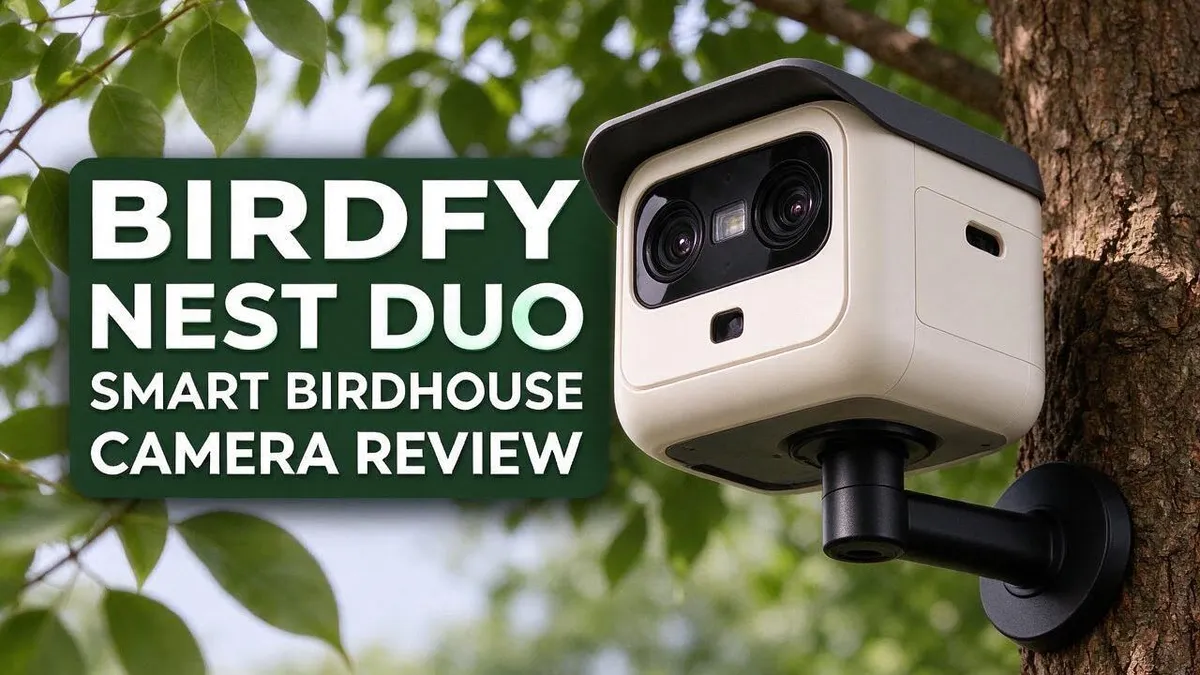
Do you wish you could watch backyard birds all day? The Birdfy Nest Duo Smart Birdhouse Camera helps you do exactly that. This smart birdhouse packs dual 1080P cameras into one unit. It connects through WiFi and sends live views to your phone.
The built in AI names more than 10,000 bird species. Motion detection and night vision catch every visit, even after dark. You also get dual seed bins and a design that resists squirrels. These extras keep your feathered guests fed and safe.
Some users report lens fogging in humid weather or sharp temperature swings. This review covers that issue in detail. Read on to see how the Nest Duo performs and how it compares with rival smart feeders.
In a Nutshell
- Motion detection and night vision help the camera catch visitors at any hour. You can check on early birds and after-dark guests alike.
- The app and Wi-Fi connection put the live view in your pocket. You control the camera from your phone.
- Owners who travel still see who stops by the birdhouse. This remote access is a top reason people like the Nest Duo.
- One reviewer says the camera “works well” in daily use. That feedback supports its everyday reliability.
- Several rivals compete for your attention. They include Harymor, NETVUE by Birdfy, BEAKO Kiwibit, and TT Nature feeders.
- Two rivals offer extras worth noting. The Onlyfly feeder runs on solar power. One VicoHome feeder gives free rolling three day cloud storage.
Dual 1080P Camera and Night Vision Quality

Last update on 2026-07-01 / Affiliate links / Images from Amazon Product Advertising API Some of the links on this website are affiliate links, which means that at no additional cost to you, I earn a commission if you click through and make a purchase. I only recommend products and services that I believe will add value to my readers. Thank you for your support!
Sharp video makes birdwatching feel real. When a bird lands, you want to see its colors and tiny details. Clear images decide whether you enjoy the live view.
Night viewing adds a new layer. Birds rarely visit only in daylight. Dawn and dusk often bring the busiest feeding action. The night vision feature keeps those quiet moments in view.
Picture a typical evening. A cardinal pauses at the perch just before sunset. As light fades, you can still follow its movement on your phone.
Lighting around your setup shapes the picture too. Bright spots, deep shade, and glass reflections can change how the image looks.
Aim the lens at the perch area and keep direct sun off the glass. Good placement often improves results more than any setting.
Test the feed yourself during the first week. Check the picture at noon, at dusk, and after dark. This simple routine shows whether the clarity meets your expectations.
Note how sharp the birds look in each light. Notice whether colors stay true and whether movement looks smooth. Those small checks tell you more than any spec sheet.
If the picture looks soft, adjust the angle first. Small changes often sharpen the view. Then compare results after dark to see the night mode at work.
AI Bird Identification Accuracy
Naming a bird is easy. Naming it correctly is the real test. Most owners want to know if the AI gets it right.
The research does not give an official accuracy score for the Nest Duo. That means you must judge the results yourself. Start by watching the birds that visit most often.
Common birds such as sparrows, finches, and cardinals are a good starting point. If the camera names these correctly, that is a good sign. Look at the clips and check if the label matches the bird.
Rare or distant birds are harder to name. Small birds often sit far from the lens. Pale or fast birds can confuse the system too. The AI has less detail to work with, so mistakes can happen more often.
Light plays a big role in identification. Clear daytime footage gives the AI its best shot at color and shape.
Night footage often looks grayer. Details like wing bars can fade in the dark, so labels may be less certain.
Fogging can also cause trouble. A foggy lens blurs feathers and markings. Clean the glass often and check the picture before you trust a label.
Keep a simple log for one week. Write down each bird the camera names and what you actually saw. Compare the two lists after a few days.
Use a field guide or a birding app to confirm tricky species. This habit helps you learn too. Over time, you will spot patterns in what the AI gets right.
Think of the AI as a helpful assistant, not a final expert. It saves time and sparks curiosity. In short, trust but verify.
Birdhouse Design, Seed Bins and Squirrel Resistance
Think about where the Nest Duo will sit before you unbox it. The birdhouse shape fits well on a fence post or garden stake. A natural look also helps birds feel calm around the setup.
Dual seed bins let you offer two kinds of food at once. Fill one with black sunflower seed and the other with mealworms or nyjer. Birds that prefer different foods can share the same stop.
Keep the food dry for the best results. Damp seed clumps, spoils, and can grow mold. Check the bins after heavy rain and toss any wet seed.
Squirrel resistance matters in many backyards. The design makes it harder for squirrels to reach the food. Still, a determined squirrel may test every opening, so watch the first few visits closely.
Mount the feeder away from trees, roofs, and fences. Squirrels leap from branches onto nearby surfaces. Open space around the setup gives you a cleaner view and fewer climbing routes.
Cleaning matters for bird health too. Empty old seed every few weeks and wipe the bins with warm water. Let them dry fully before you add fresh food.
Good seed choice also helps keep squirrels away. Safflower seed attracts cardinals and many songbirds, yet squirrels often ignore it. Mix it into one bin and see how your visitors respond.
Try this simple plan for the first two weeks. Fill both bins on day one and note which seed empties first. Record squirrel visits in a notebook so you can spot patterns and adjust the placement.
Top 3 Alternatives
Looking for other ways to watch birds at home? These three options each offer a different experience.
Netvue Birdy Cam


Last update on 2026-08-06 / Affiliate links / Images from Amazon Product Advertising API Some of the links on this website are affiliate links, which means that at no additional cost to you, I earn a commission if you click through and make a purchase. I only recommend products and services that I believe will add value to my readers. Thank you for your support!
The Netvue Birdy Cam suits people who want a simple setup. It mounts near a birdhouse or feeder.
It streams video to your phone, so you can watch birds live from anywhere. Motion alerts help you catch nesting activity and daily visitors.
Bird Buddy Smart Feeder

Last update on 2026-08-27 / Affiliate links / Images from Amazon Product Advertising API Some of the links on this website are affiliate links, which means that at no additional cost to you, I earn a commission if you click through and make a purchase. I only recommend products and services that I believe will add value to my readers. Thank you for your support!
The Bird Buddy Smart Feeder combines a feeder and a camera in one unit. It takes photos when a bird lands on the perch.
The app identifies bird species, which makes it fun for beginners. Families often enjoy checking new photos each morning.
Wingscapes BirdCam Pro

Last update on 2026-11-05 / Affiliate links / Images from Amazon Product Advertising API Some of the links on this website are affiliate links, which means that at no additional cost to you, I earn a commission if you click through and make a purchase. I only recommend products and services that I believe will add value to my readers. Thank you for your support!
The Wingscapes BirdCam Pro focuses on outdoor wildlife monitoring. It uses motion sensors to capture images and short videos.
Its weatherproof body handles rain, snow, and heat. Nature lovers often place it along trails or near backyard feeders.
Choosing the right option depends on your goals. Think about whether you want live video, species photos, or rugged outdoor recording. Each choice brings a different kind of joy to bird watching.
App Control, Wi-Fi and Motion Alerts
Setting up the app should feel simple. Open the app on your phone and follow each step. Then connect the Nest Duo to your home network so the feed can stream.
A strong wireless connection matters most. Place your router within a reasonable range of the birdhouse. A weak signal can make the live view freeze or lag.
Check your phone settings. Allow notifications for the app so alerts reach you. Look for the notification settings in your phone menu. Give it a try today.
Motion alerts bring the action straight to you. When a bird lands, your phone can notify you right away. You do not need to keep checking the feed.
Alerts help you stay connected, even at work.
Think about timing. Busy hours at the feeder may bring many alerts. Try a short test during a morning and an afternoon.
Match alerts with real visits. Note the time of each alert. Compare those times with the bird activity you see in the feed. This shows which hours bring the most action.
Check the connection each week. Look at the app status and test the live view. Small fixes now prevent missed visits later.
Restart the feeder if the feed stops. Turning the camera off and on again often clears small glitches. Keep the app updated for smooth performance.
Plan for power and internet outages. When the connection drops, alerts stop. Check your home internet first before blaming the camera.
Think about privacy at home. Mention the camera to family members who share the yard. Clear communication keeps everyone comfortable.
Keep your login details private. Only share access with people you trust. Protect your account with a strong password.
Lens Fogging and Weather Durability
Clear footage matters most for a bird camera. Many owners report that the lens fogs up in humid weather or during sharp temperature swings. The research treats this as the main weather concern for the Nest Duo.
Why fog forms. Warm air holds moisture. When that air touches a cool lens, tiny droplets form on the glass. Early morning dew and chilly spring rain make this happen more often.
Choose a sheltered spot. A place under a deck edge or beside a wall that blocks wind can keep rain off the lens. Soft shade also keeps the camera cooler during hot afternoons.
Watch the temperature swings. A cold night followed by a warm morning often triggers fog. Check the live view during these changes so you learn the pattern in your yard.
Use a gentle cleaning routine. Dust the lens with a soft, dry cloth once a week. Skip harsh cleaners, because they can leave streaks that look like haze.
Let air circulate. Moving air helps moisture leave the housing faster. Avoid tight corners where damp air gets trapped around the camera.
Plan for storms. Strong wind can push rain into small gaps. Inspect the camera after big storms and look for water or condensation inside the housing.
Save snapshots on foggy days. Capture a few images when the picture turns cloudy. Compare them with the weather that day to spot a clear pattern.
Think about seasons. Fall and spring bring the most humidity and temperature shifts. Expect more fog during those months and check the lens more often.
The camera handles everyday weather well for many homes. Still, fog is the key weak point, so plan for it early in your setup.
Setup, Placement and Maintenance
Before you tighten the mounts, check the live view. Make sure the perch sits near the center of the frame.
Sun direction matters more than many owners expect. Harsh glare at sunrise can wash out the picture. Face the lens away from the morning light when you can.
Test the view at dusk too. This shows how the night view handles nearby branches and the feeder base.
Label your seed bins. Write the seed type on a small tag for each side. Clear labels make refills faster and prevent mixing.
Refill one bin at a time. Empty the old seed before you add new seed. This keeps the feeder clean and the mix fresh.
Keep a simple monthly checklist. Write down the date of each refill and cleaning. Notes help you spot patterns in bird visits.
Store spare seed in a sealed container. Keep it in a cool, dry spot away from pests. This small step keeps the seed fresh for longer.
Check the mounting hardware after strong storms. Loose screws can shift the camera angle over time. A quick tug test takes only a minute.
Think about pets and children. Place the feeder where curious pets cannot jump onto it. Set a safe distance from play areas too.
Watch for bird activity patterns. Early morning often brings the most visitors. Adjust your checks to match those busy times.
Keep a small brush and a clean towel nearby. Quick tidying takes less time when your tools stay close to the feeder.
Plan a yearly review. Each spring, test the app, install any firmware updates, and inspect the seals. Small checks prevent big surprises later.
Pros and Cons
Pros
- AI identifies over 10,000 bird species.
- You can see visitors when you are away from home.
- Dual 1080P cameras give you a close look at each visit.
- Night vision and motion detection catch late-day activity.
- The squirrel resistant design protects your seed.
- Two seed bins let you offer different foods.
Cons
- Lens fogging can appear in humid weather or during sharp temperature swings.
- Many competitors offer similar camera feeders, so compare features first.
- Early reviews praise the camera only briefly, so long-term results are limited.
Who Should Buy It
This feeder suits busy people who love birds but cannot sit by a window all day. Busy workers can check the feeder from their phones during a lunch break.
Families with curious kids also fit well here. Children can learn bird names from real visits. Every visit becomes a small science lesson at home. Kids often ask questions after each visit.
Beginner bird watchers are another good match. The camera and identification feature help a new fan learn species without buying a field guide first.
Retirees and home gardeners often enjoy this setup too. A steady stream of feathered guests can make a quiet backyard feel lively.
Seasonal fans can enjoy changing crowds across the year. Spring and fall often bring new faces to the feeder.
Nature journalers and teachers may find this useful too. Sharing favorite bird moments with a class can spark curiosity.
Shoppers who want cloud storage should compare options first. A VicoHome software feeder offers free rolling cloud storage for three days, so those buyers may prefer that setup.
People who enjoy managing devices from a phone will feel comfortable here. App control keeps the feeder in easy reach. Those people often enjoy the app as a daily check in.
Apartment dwellers should confirm mounting options before buying. A suitable railing or wall must hold the feeder safely.
Shoppers who want a fun gift for a bird lover may also consider it. The gift brings daily joy long after the box is opened.
Overall, the best buyer loves birds, values peace of mind, and checks the view often. Such a person gets the most from this camera feeder.
Final Verdict
The Birdfy Nest Duo is a smart pick for curious bird fans. It turns your yard into a live nature show. You can enjoy it from your couch or from across the country.
The bird identification feature stands out most. It saves you time and teaches you something new with every visit. That learning angle keeps the hobby fresh.
Daily use feels rewarding. Alerts pull you into small moments you would otherwise miss. Many owners will enjoy checking in during breakfast or a work break.
Sharing clips adds extra joy. A great sighting becomes a story you can pass to friends and family.
The main risk is lens fogging. Several users report it in damp weather. That issue can blur footage right when birds arrive.
Reviews also remain thin. One reviewer says the camera works well, but we need more feedback across several seasons. Treat this verdict as promising, not final.
Compare a few rivals before you decide. The Harymor Bird Feeder with Camera, NETVUE by Birdfy Smart Bird Feeder, BEAKO Kiwibit Smart Bird Feeder, and TT Nature Smart Bird Feeder with Camera all deserve a look.
The Onlyfly feeder offers solar power, which helps if you dislike recharging. One VicoHome feeder includes free rolling three day cloud storage.
Our verdict: buy it if you live in a mild or dry climate and value species names and remote views. Skip it if you need cloud storage or face heavy humidity.
Overall, the Birdfy Nest Duo is a fun, useful, and friendly bird watching tool. It earns a confident thumbs up with one clear caution.
Frequently Asked Questions
How do I get started with the Birdfy Nest Duo?
Set up the app first, then place the feeder in a quiet spot where birds can land easily. Give your visitors a few days to get comfortable before you judge the results. Patience pays off, because most birds need time to find a new food source.
What seed should I put in the two bins?
Black oil sunflower seed works well for many backyard birds. Fill the second bin with a mixed seed blend for variety. Watch the camera feed to see which foods your visitors prefer, then adjust your choices over time.
How can I lower the chance of lens fogging?
Pick a spot that avoids direct morning sun, since quick temperature changes cause most condensation. Wipe the lens with a soft, dry cloth after rain or heavy dew. If fog builds up, let the unit dry out in a shaded area.
Can I use the feeder during winter?
Yes, you can keep it running through the cold months. Birds eat more when temperatures drop, so refill the seed bins more often. Check the camera regularly for frost or moisture, and clear any buildup right away.

Hello, I’m Emily Price, the founder of Birds Affection. As a passionate bird enthusiast and spiritual seeker, I’ve always been fascinated by the symbolic meanings and mystical connections between birds and our lives. On this website, I share my knowledge and insights on the spiritual significance of various bird species, exploring their roles as messengers, guides, and teachers. Through my writing, I aim to inspire and educate others on the profound wisdom and beauty that birds bring to our world. Join me on this journey as we delve into the enchanting realm of bird symbolism and discover the hidden meanings behind these magnificent creatures.