
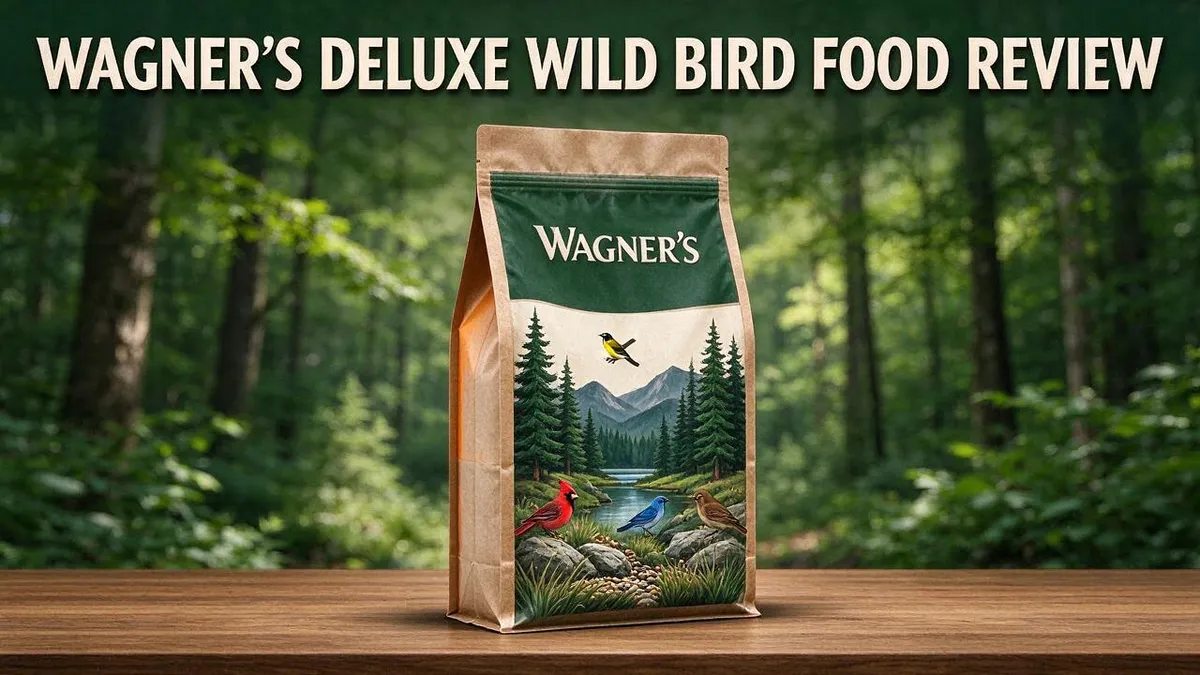
Wagner’s Deluxe Wild Bird Food Review 2026: In-Depth Breakdown
Do you want more birds at your feeder? Wagner’s Deluxe Wild Bird Food promises a lively mix that draws finches and many other backyard visitors.
Wagner’s sells several blends. These include Finches Deluxe, Southwest Regional, Deluxe Treat, and Four Season. Each blend uses a different seed mix.
Many users say birds eat the seed quickly. Some report that it works well in tube feeders. Deluxe Treat even earns a 4.7 out of 5 star rating online.
Still, some reviewers raise concerns. They mention extra corn, wasted seed, and small seeds that fall to the ground. One buyer even found black bugs in the bag.
This review covers the pros, cons, and best uses so you can decide if this seed fits your yard.
In a Nutshell
-
Top strength: The mix offers plenty of variety, so finches and other common backyard birds have many seeds to try. This variety keeps your feeder busy through the day.
-
Feeder fit: One user says the seed works in a tube feeder. That makes it a simple pick for popular hanging setups.
-
Strong ratings: The Deluxe Treat blend earns a 4.7 out of 5 star score online. Many happy buyers back this blend.
-
Main drawback: Some reviewers find too much corn in the Southwest Regional blend. They say this creates extra waste under the feeder.
-
Quality watch: One reviewer calls Deluxe Treat dry and dusty. Another reports black bugs in the bag. Inspect your seed as soon as it arrives.
-
Smart tip: Small seeds in the Four Season blend often fall to the ground uneaten. Match the blend to your feeder type and your local birds. Ground feeding birds may clean up the leftovers.
Seed Blend and Ingredients


Last update on 2026-11-05 / Affiliate links / Images from Amazon Product Advertising API Some of the links on this website are affiliate links, which means that at no additional cost to you, I earn a commission if you click through and make a purchase. I only recommend products and services that I believe will add value to my readers. Thank you for your support!
Every bird seed blend starts with a mix of seeds. The exact ingredients matter more than the bag design. Always read the label before you fill your feeder.
Wagner’s offers several blends, so match the mix to your visitors. A finch-focused blend suits yards with goldfinches. A regional blend may fit the birds that live near you. The right choice keeps seed from going to birds you never see.
Filler grains deserve a close look. Many birds toss these aside. That creates more mess under the feeder.
Seed size changes how birds eat. Larger seeds, such as sunflower, stay in the feeder longer. Tiny seeds drop fast, so they often land on the ground.
Storage matters just as much as the mix. Seed kept in a damp or warm spot can grow mold or attract pests. Store the bag in a sealed bin with a tight lid.
Check each scoop before filling the feeder. Toss any clumps, musty smells, or bugs. Fresh seed keeps birds coming back.
Start with a small test batch. Watch which seeds disappear and which pile up below the feeder. This simple check shows you what your birds really enjoy. Adjust your offerings over a few weeks to find the best match.
Add a ground tray for birds that prefer feeding low. Doves and juncos often pick up spilled seed from the ground. Keep the tray clean to prevent illness.
Mixing blends is another option. Combine a finch mix with a general blend to cover more species. Check each batch for freshness so every bird gets good food.
Bird Appeal and Species Attracted
Wild birds come in many shapes and sizes. This blend can draw a broad crowd to your yard. Smaller songbirds often show up first.
Ground feeding birds often gather beneath the feeder. They pick up seeds that fall from above. Doves and sparrows are common examples. Let them feed freely.
Perching birds prefer a different approach. They grab seeds right from the feeder ports. A sturdy perch helps them eat in comfort.
Local birds matter most. A blend that suits one region may miss others. Watch which guests arrive during the first week. Then adjust the mix to match them.
Clean feeders keep visitors healthy. Wipe trays and perches often. Old droppings can spread illness among birds. A tidy setup keeps your guests coming back.
Keep a simple visitor log. Note which birds stay longest and which ones skip the feeder. This habit shows whether the blend truly fits your yard.
Seasonal changes shift the crowd. Birds move around as the weather changes. Some species visit more in winter while others arrive in spring. Expect a different mix of guests through the year.
Patience pays off. New birds may need a few days to feel safe. Keep the feeder filled and avoid sudden moves nearby. Steady routines help shy guests trust your yard.
Pair the blend with natural cover. Shrubs and small trees give birds a place to rest. They feel safer when a cat or hawk cannot easily reach them. Good cover brings more guests to the seed.
Your yard shapes the results. Every space has its own flock. Enjoy the visitors you attract and adjust as needed.
Waste, Fillers and Feeder Compatibility
Waste is often the biggest concern for yard owners. Seed on the ground can rot, attract pests, and go to waste fast.
Start by checking the hulls in every scoop. Hulls are empty shells that birds often toss aside. Lots of hulls mean more mess and less food.
Some blends also include fillers that most birds skip. Filler grains pile up under the feeder and stay there. Read the ingredient list before you pour.
Feeder fit matters just as much as the mix. Large pieces can clog small ports. Tiny seeds may slip through wide openings and spill out.
Match the feeder to the seed size. Tray feeders handle bigger pieces well. Tube feeders work best with smaller, uniform seeds. Test a few options before you commit.
Ground spillage can attract rats and squirrels. Rake up loose seed every few days. Pull the tray up at night so pests stay away.
Bugs need quick action. One user found black bugs in the bag. Open each new bag over a light surface and look closely. Toss any seed with live pests and contact the seller.
Add a cage or baffle if squirrels visit often. These tools keep larger animals from reaching the seed. Birds still get easy access to the feeder, so they keep visiting.
Check the feeder ports for jams after rain. Wet seed clumps and blocks the flow. Dry the feeder fully before adding fresh seed.
Track the mess each week. If the pile under the feeder keeps growing, switch blends or feeder styles. Small changes can cut waste fast.
Good choices lower waste and keep birds happy. A little planning makes this blend work well in most yards.
Top 3 Alternatives
Looking for a different option? These three choices are worth a close look. Each one brings something useful to your backyard feeder.
Kaytee Wild Bird Food

Last update on 2026-11-05 / Affiliate links / Images from Amazon Product Advertising API Some of the links on this website are affiliate links, which means that at no additional cost to you, I earn a commission if you click through and make a purchase. I only recommend products and services that I believe will add value to my readers. Thank you for your support!
Kaytee Wild Bird Food offers a simple mix that many feathered guests enjoy. It contains seeds that attract songbirds, such as finches and sparrows. Birds tend to eat it quickly, so you may refill the feeder often. Many backyard fans keep a bag on hand for busy seasons.
Lyric Wild Bird Food

Last update on 2026-11-05 / Affiliate links / Images from Amazon Product Advertising API Some of the links on this website are affiliate links, which means that at no additional cost to you, I earn a commission if you click through and make a purchase. I only recommend products and services that I believe will add value to my readers. Thank you for your support!
Lyric Wild Bird Food focuses on natural ingredients and a clean blend. Many people like that it gives birds a balanced meal. The seeds stay fresh in a sealed bag, which helps keep pests away. Look for it if you want a steady, reliable option for year-round feeding.
Morning Song Bird Food

Last update on 2026-11-05 / Affiliate links / Images from Amazon Product Advertising API Some of the links on this website are affiliate links, which means that at no additional cost to you, I earn a commission if you click through and make a purchase. I only recommend products and services that I believe will add value to my readers. Thank you for your support!
Morning Song Bird Food is a good pick for those who enjoy watching colorful visitors. The mix includes sunflower hearts and other treats that draw cardinals and chickadees. It also works well in tube feeders and platform trays. Birds love the variety, and the mix stays easy to scoop and pour.
Check the label and choose the blend that fits your yard. Your local birds will thank you for the effort.
Freshness, Dust and Bag Quality
Freshness is the first thing to check with this blend. Birds like seed that feels crisp and clean. Old seed loses its appeal fast.
Some reviewers describe certain Wagner’s blends as dry and dusty. That dust can also coat feeder ports and add to the mess.
Before you pour, take a moment to inspect the bag. Feel its weight, then give it a gentle shake. Watch for fine powder collecting at the bottom.
A heavy layer of dust often means the seed sat too long or got handled roughly. Check for a printed date or lot code if one appears on the bag.
Bag quality matters too. A torn seam or loose top lets moisture and pests inside. Keep the bag rolled tight after each scoop.
Give the seed a sniff. Fresh blends smell mild and slightly nutty. A musty or sour smell means the seed should go in the trash, not the feeder.
Buy only what you can use within a few weeks. A large bag can sit in a garage for months, and heat or damp air can spoil it. Move leftover seed into a clean bin with a tight lid.
Write the purchase date on the bag with a marker. This simple habit helps you spot old stock before birds ignore it.
Wipe the bin rim before adding new seed. This keeps old dust from mixing with fresh stock.
Watch the feeder after filling it. If birds leave seed sitting for days, the blend may have gone stale or the dust level may be too high.
Bottom line: a good bag feels clean, dry, and fresh. If dust and odor appear right away, try another blend from the Wagner’s line.
Blend Options: Finches Deluxe, Southwest Regional, Deluxe Treat and Four Season
Wagner’s offers several blends for backyard feeders. Each blend uses a different mix of seeds. That mix changes which birds stop by.
Finches Deluxe
Finches Deluxe targets small seed eaters. It draws in finches and a wide range of wild birds. If finches top your wish list, this blend is a strong place to start. Look for small visitors perched near the ports.
Southwest Regional
This blend suits yards in the southwest. Reviewers, however, say it contains too much corn. Corn pulls in larger birds like doves and jays.
Watch how quickly the corn disappears compared with the smaller seeds.
Deluxe Treat
Shoppers rate Deluxe Treat highly online. Reports mention 4.7 out of 5 stars. Many backyard fans seem to agree.
Still, one reviewer found the texture less appealing, so try a small test batch first. Plan to refill the tray often if your yard hosts a crowd.
Four Season
The Four Season blend aims for year round appeal. Its tiny seeds attract a steady stream of visitors. However, many of those little pieces drop to the ground uneaten.
Ground feeding birds like juncos often clean them up. Keep an eye on which seeds remain when you check the feeder.
Choose the blend that matches your regular visitors. Start small and watch what disappears first. Your feeder will reveal the best fit. Compare the blends side by side in your own yard.
Value for Money and Package Size
The main size to know is the 10 lb bag listed for Finches Deluxe. This size fits many backyard feeders. It can also run low faster than you expect.
Start by estimating your daily use. Fill your feeder once and weigh the seed you add. Then note how many days it lasts.
Winter often brings more visitors. A full bag may empty in a few weeks during cold months. Summer visits may slow down, so a bag can last longer.
Spilled seed also shortens the life of your bag. Corn and small seeds that drop to the ground never reach a bird. Watch the ground under the feeder for a few days to see how much is lost.
Pour the seed into a sealed bin with a tight lid. This keeps pests out and helps the mix stay fresh longer. Dry, cool storage works best for any bag size.
Split a large bag into two smaller containers. Keep one sealed and open the other as needed. This limits how much seed sits exposed each time you refill.
Check the label for weight on other blends. Current listings confirm the 10 lb size for Finches Deluxe. Other sizes may vary, so compare the label before you buy.
Pick a size that fits your flock. A small yard with a few regular visitors needs less seed. A busy feeder station needs a larger supply to keep up.
Bird traffic changes over the year. Keep a simple log of refill dates. Over time, the log shows the right size for your yard.
Size matters most when you plan refills. A good bag size keeps your feeders full without leaving stock to go stale. A little planning saves you from frequent trips to the store.
Pros and Cons
Pros
- Draws finches and a wide variety of wild birds
- Offers a varied seed mix that appeals to many visitors
- Birds clear it out quickly, so less sits in the feeder
- Works well in tube feeders
- Earns high ratings from online shoppers for the Deluxe Treat blend
Cons
- Reviewers say the Southwest Regional blend has too much corn
- Small seeds often fall to the ground uneaten
- One reviewer found the Deluxe Treat texture dry and dusty
- A few buyers reported black bugs in the bag
Who Should Buy It
Wagner’s Deluxe Wild Bird Food suits people who want to see many different visitors. New bird watchers often enjoy a mix that draws several species at once. This makes learning bird names feel fun and simple.
Families with kids can also get a lot from this seed. Children can spot cardinals, sparrows, and finches right from a kitchen window. Watching birds together turns a plain feeder into a daily lesson.
Renters and people with small patios should consider it too. A tube feeder hangs from a simple hook and needs very little room. The seed works well for anyone who wants good results without a big setup.
Busy people who check on their birds only a few times a week may appreciate it. The mix gets picked through fast, so the feeder stays active between visits. Steady activity keeps the yard lively even on hectic days.
Some shoppers should look elsewhere. Anyone who wants only one bird type may prefer a specialty seed.
People who want a very neat patio may need a tray under the feeder. A tray catches stray seed and keeps the area clean.
Gardeners who enjoy watching birds from a porch or deck often find this blend rewarding. Birds stay in view longer when the feeder sits close to a seat. Easy viewing adds real joy to a slow morning coffee.
Still, most backyard fans will find a good match here. Think about your regular visitors first. If they include a mix of small and large birds, this blend fits well. A quick look at your yard will tell you a lot.
Final Verdict
Wagner’s Deluxe Wild Bird Food earns a solid recommendation from me. It gives backyard fans a simple way to bring more life to a feeder. The blends differ, so your results depend on the one you pick.
The biggest strength is variety. Different seeds attract different beaks, and that keeps your yard lively. Finches and many other wild birds visit often.
The weak points are real, but you can manage them. A few reviews mention waste and dusty seed. A quick look inside the bag when you open it helps you spot problems early.
My advice: Start with one blend and watch it for a week. Note which birds arrive and how much seed lands on the ground. Then decide whether to stay with that blend or switch.
Placement also matters. Hang the feeder near shrubs or trees so birds feel safe. Shy visitors need that nearby cover before they settle in.
One user says the mix works well in tube feeders. A clean feeder keeps the seed fresh. Wash it every couple of weeks and let it dry fully.
Keep your expectations realistic. No single bag pleases every bird or every owner. This brand gives you a dependable starting point, and you can fine tune from there.
Final rating: Recommended for most backyard birders. Choose it if you want an easy mix that draws a crowd. Skip it if you dislike any mess or doubt corn heavy blends.
Bird feeding should feel fun. This seed delivers that fun for most homes. Fill the feeder, grab a chair, and enjoy the show.
Frequently Asked Questions
Is this seed a good pick for beginners?
Yes, it works well for new bird fans. The mix is varied, so you can see several kinds of visitors without much effort. Start with a small amount and see what your birds enjoy most.
How long does it take to see birds?
Patience matters here. Birds often need a few days to find a new feeder. Keep the feeder filled and stay consistent, and visitors will likely arrive over time.
What should I do if I find bugs in the bag?
Check the bag as soon as it arrives. Look for insects before you pour the seed into your feeder. If you spot any, contact the seller and ask for a replacement. Never feed birds seed that looks infested.
Which option should I choose if finches are my main goal?
Pick the Finches Deluxe option if finches are your top priority. Watch which seeds they eat first, since that tells you what they like. Adjust your feeder placement if they seem slow to arrive.
How often should I clean the feeder?
Clean the feeder every two weeks or so. Remove old seed, empty shells, and damp clumps. Let the feeder dry fully before you refill it. Wet seed can spoil quickly, so dry feeders keep your birds healthy.

Hello, I’m Emily Price, the founder of Birds Affection. As a passionate bird enthusiast and spiritual seeker, I’ve always been fascinated by the symbolic meanings and mystical connections between birds and our lives. On this website, I share my knowledge and insights on the spiritual significance of various bird species, exploring their roles as messengers, guides, and teachers. Through my writing, I aim to inspire and educate others on the profound wisdom and beauty that birds bring to our world. Join me on this journey as we delve into the enchanting realm of bird symbolism and discover the hidden meanings behind these magnificent creatures.
