Kaytee Nyjer Thistle Seed Review 2026: Is It Worth It?
Do you love watching finches visit your yard? Kaytee Nyjer Thistle Seed might be the treat that brings them in.
Finches adore these tiny black seeds. They are rich in oil and energy, so small birds find them very appealing.
In this review, I look at seed quality, bird appeal, and freshness. I also share how it works for goldfinches, pine siskins, and redpolls.
Nyjer seed is small, so it needs the right feeder. I explain a simple setup that keeps your seed fresh and your birds happy.
You will learn what makes this seed popular with backyard birders. Let’s see if it deserves a spot in your feeder.
In a Nutshell
-
Energy for small birds: The seed has a high oil content. Goldfinches, pine siskins, and redpolls get fuel for cold days and busy migration trips.
-
Less mess under the feeder: Nyjer seed is usually heat treated, so it rarely sprouts weeds in your lawn or garden beds.
-
Fewer unwanted guests: Most squirrels and large birds skip this seed. Your finches get more room and more food.
-
Freshness matters: Old nyjer dries out and loses appeal. Check the bag for a clean smell and plump, shiny seeds before you fill a feeder.
-
Easy to store: Keep the seed in a cool, dry spot. A sealed container helps it stay fresh for longer.
-
Good for year round feeding: Many backyard birders offer this seed in every season. Steady supply builds a loyal flock that returns daily.
Seed Quality and Freshness


Last update on 2026-08-28 / Affiliate links / Images from Amazon Product Advertising API Some of the links on this website are affiliate links, which means that at no additional cost to you, I earn a commission if you click through and make a purchase. I only recommend products and services that I believe will add value to my readers. Thank you for your support!
Use your eyes and nose first. Fresh seed looks dark, glossy, and even in color. Dull or faded seed may have sat on a shelf for too long.
A fresh bag smells mild and clean. Any musty, sour, or moldy odor is a clear warning sign. Toss that seed and do not offer it to birds.
Give the bag a gentle shake. Loose seeds should flow easily. Clumps often mean moisture got inside the bag, so pass on it.
Look for a packaging date. Many bags show a best by date or lot code. Choose stores that sell lots of birdseed, since fast sales keep stock fresh.
Start with a smaller bag. A small household may need only a few weeks of seed. Less seed means less time for it to age.
Sift a handful through your fingers before filling the feeder. Dust, broken husks, and debris should be minimal. Clean seed keeps feeding stations tidy and helps birds eat comfortably.
Rotate your stock. Place newer bags behind older ones in your pantry or shed. This simple habit uses the oldest seed first and cuts down on waste.
Keep notes on purchase dates. A small label or marker on the bag makes tracking easy. You will know exactly when to restock.
Watch the birds, too. If finches stop visiting soon after a refill, the seed may have gone stale. Replace it right away and check your storage container for moisture.
Trust your senses every time. Freshness checks take less than a minute. That quick habit protects your birds and keeps your feeder full of seed they actually want.
Bird Appeal and Species Attracted
Goldfinches are the stars of many backyard feeders. The American goldfinch often shows up first each morning. Its bright yellow feathers brighten any gray winter day.
Pine siskins join the fun during colder months. They travel in noisy flocks that can fill a tray fast. Watch for their streaky brown bodies and yellow wing flashes.
Common redpolls visit in winter, especially in northern states. Their small red caps make them easy to spot. Many birders call them snow season visitors because they arrive when snow covers the ground.
House finches and purple finches often join the group too. Males show rosy red feathers that catch the light. Females look plainer, so compare them carefully before you decide.
Sparrows and juncos sometimes pick up fallen seed below the feeder. Doves may also wander under the tray. These ground visitors add variety to your yard.
Different species visit at different times of day. Early mornings bring the most activity. Afternoons often feel quieter, so patience pays off.
Birds often return to the same feeding spots each day. They remember safe places with steady food. A reliable routine helps your yard become a regular stop for many species.
Keep a simple bird log near your window. Note the species, the date, and the number of visitors. Over time, you will spot clear patterns. Sharing the log with family makes the hobby more fun.
Spring molt brings a delightful surprise. Males trade dull winter feathers for bright new colors. Many people rush outside just to see the change.
Nutritional Value and Energy Content
Nyjer seed offers more than a tiny treat. It also gives small birds a useful mix of nutrients.
Start by reading the guaranteed analysis panel. This label lists protein, fat, and fiber levels in simple percentages. Compare these numbers with other seed bags you own.
Protein helps birds maintain muscle and feather strength. Nyjer contains a moderate amount, which supports daily activity.
Small birds have fast metabolisms. They need frequent meals instead of one large feast.
Fiber keeps digestion moving along. Nyjer alone does not cover every dietary need, so pairing it with other foods matters.
Variety fills nutritional gaps. Seeds lack some vitamins that fruit and insects provide. Offer chopped fruit, suet, or mealworms beside the feeder. Birds that visit often will appreciate options.
Fresh water and grit complete the setup. Water supports digestion, and grit helps birds grind food. Place a shallow dish nearby and refresh it daily.
Seed mixes and single seed bags differ. A blend may include filler seeds that birds ignore. Pure nyjer gives you a clear picture of what birds eat.
Watch for nutrient balance over time. Note which birds stay healthy and active through winter. Strong, lively birds show that your feeding plan works well.
Think of nyjer as one piece of a bigger meal plan. Small changes add up fast. A balanced menu keeps visiting birds fit and curious.
Ask a local bird expert for advice. Staff at garden centers and nature shops often know regional diets well. Their tips can sharpen your plan.
Keep your approach simple and consistent. Change one thing at a time so you can see what works.
Top 3 Alternatives
Nyjer seed draws goldfinches and other small songbirds to your yard. If you want a different option, these three choices deserve a close look. Each one offers fine seeds that many finches enjoy.
Wild Delight Nyjer Seed

Last update on 2026-11-05 / Affiliate links / Images from Amazon Product Advertising API Some of the links on this website are affiliate links, which means that at no additional cost to you, I earn a commission if you click through and make a purchase. I only recommend products and services that I believe will add value to my readers. Thank you for your support!
Wild Delight Nyjer Seed comes as a clean, fine blend of small black seeds. Finches often find it quickly and visit the feeder again and again. The seeds stay fresh when you store them in a dry, sealed container.
Tip: Clean your feeder every few weeks so mold does not build up.
Audubon Park Nyjer Seed

Last update on 2026-07-11 / Affiliate links / Images from Amazon Product Advertising API Some of the links on this website are affiliate links, which means that at no additional cost to you, I earn a commission if you click through and make a purchase. I only recommend products and services that I believe will add value to my readers. Thank you for your support!
Audubon Park Nyjer Seed gives you a steady supply of tiny seeds that goldfinches love. Many backyard birders like how little mess it makes under the feeder. It fits well in tube feeders with small feeding ports.
Good to know: Fill your feeder often when cold weather arrives.
Morning Song Nyjer Seed

Last update on 2026-11-05 / Affiliate links / Images from Amazon Product Advertising API Some of the links on this website are affiliate links, which means that at no additional cost to you, I earn a commission if you click through and make a purchase. I only recommend products and services that I believe will add value to my readers. Thank you for your support!
Morning Song Nyjer Seed offers a friendly choice for simple feeding. The seeds flow easily through mesh and tube feeders without clogging. Keep an eye out for siskins and other small visitors that stop by.
Remember: Check the feeder after heavy rain for damp seed.
Pick the one that suits your yard best. Start with a small bag so you can see which seed your birds prefer. Your feathered visitors will tell you what they like most.
Feeder Compatibility and Mess Level
Nyjer seed needs a special feeder. The seed is so tiny that standard tray feeders let it spill right through. Most people use a mesh sock or a tube feeder with small ports instead.
Look for fine mesh or narrow feeding holes. Wide openings release seed faster than birds can eat it. Narrow ports keep the seed inside until a bird pulls it out.
Mess stays low when the setup fits the seed. Nyjer leaves very little shell debris behind. Birds take one tiny seed at a time, so the feeding area stays neat.
Spills still happen, though. Wind can blow loose seed off the feeding area. A small catch tray below the feeder makes cleanup quick.
Mesh socks need extra care. Rain can soak the seed and cause clumps inside the mesh. Lift the sock and shake it out after every storm.
Squirrels usually ignore this tiny seed. Still, a sturdy hanger and a pole guard help keep them away. Hang the feeder away from branches that act as launch pads.
Regular cleaning keeps the feeder fresh. Wash feeders every two weeks with warm soapy water. Tiny seeds hide in seams and corners. Let every part dry fully before refilling.
Check the feeder after heavy rain or strong wind. Loose seed or damp spots signal that the feeder needs attention. Quick checks prevent waste and keep the seed dry.
A clean feeder brings birds back. Pick the right style, catch the spills, and clean often. Your yard stays tidy, and your visitors stay happy.
Packaging and Storage
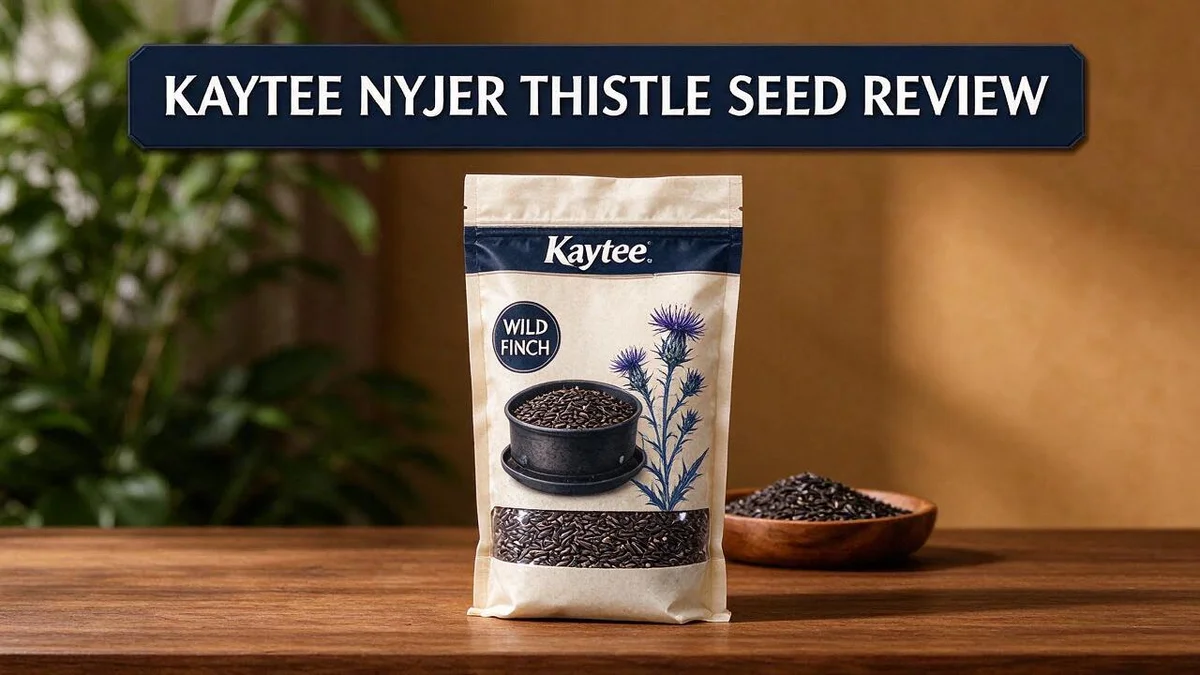
Kaytee sells Nyjer seed in sturdy bags that guard the seed during shipping and storage. Many bags include a zip top or a fold closure. Open the bag with care so no seed spills onto the floor.
Once opened, the seed needs a dry home. Moisture makes tiny seeds clump and can cause spoilage. Keep the bag away from sinks, washers, and damp basement corners.
Roll the top of the bag tightly after each use. Squeeze out extra air and clip it shut. Air carries moisture and odors into the seed.
Many bird lovers pour leftover seed into a clean container with a tight lid. A plastic bin or glass jar works well. Choose a lid that blocks moths, beetles, and other pests.
Store the container in a cool room away from direct sunlight. Heat dries out the natural oils and reduces freshness. A pantry shelf or closet works nicely. Avoid garages or sheds where temperatures swing. Big temperature changes cause condensation inside bags and bins.
Check the best by date printed on the bag before you buy more. Old seed may taste stale, so birds might ignore it. Wasted seed means wasted effort.
Look for warning signs before each refill. Musty smells, damp clumps, or tiny webs mean the seed should go. Toss spoiled seed in the trash, not the compost bin.
Wash the container with warm water and dry it fully before adding fresh seed. Any leftover moisture invites mold. Keep a small backup bag in a dry spot, so you never run out during a cold snap.
Write the purchase month on the lid with a marker. This habit helps you use the oldest seed first. Fresh seed means a happier flock at your window.
Value and Serving Longevity
Nyjer seed lasts longer than many people expect. Small birds eat only a modest amount each day. A tube feeder can stay stocked for several days, even with frequent visitors.
Try tracking the feeder for one week. Note how fast the level drops. This simple habit shows how much seed your yard truly needs. It also prevents overfilling and wasted seed.
Demand shifts through the year. Goldfinches crowd feeders most in late spring and summer. Many yards stay busy in fall and winter too. Plan a bigger supply before the peak months arrive.
Start with a partial fill. A half full feeder keeps seed flowing and looks inviting. Small servings also stay fresher because birds clear them quickly. Add more only when the level gets low.
Bird count matters as well. One pair eats far less than a flock of twenty. Adjust the serving size when the crowd grows or shrinks. Flexible feeding keeps the supply balanced.
Use a measuring cup for consistency. A quarter cup can serve as a starting point. Note how quickly it disappears, then adjust.
Consistent servings make planning easier. Once you know your rate, buy in steady amounts. This approach keeps the seed supply from running low during busy weeks.
Dump leftover seed before topping off. Old seed can clump in humid weather, even inside a sealed bag. Mixing old and new seed wastes food. Birds also stop visiting when the offering tastes off.
Steady feeding brings steady visitors. Replace the seed on a regular schedule. Birds learn when the feeder fills and return often. Small changes make a big difference over time. Birds appreciate a reliable meal.
Pros and Cons
Pros
– Goldfinches flock to this seed quickly.
– Pine siskins and common redpolls also visit often.
– Many bags contain mostly pure seed with few fillers.
– Birds rely on it when other natural food runs low in winter.
– The seed gives small visitors a steady food source.
Cons
– Other birds like cardinals and jays often ignore it.
– New birds can take days or weeks to find the feeder.
– Tiny seeds can get lost in grass or leaves below the feeder.
– The seed suits finches best, so variety in your yard may suffer.
Who Should Buy It
This seed fits a specific group of bird lovers best. Finch fans should pay close attention here. Anyone who wants bright yellow visitors at the window will likely enjoy it.
Beginners often feel nervous about choosing seed. This option keeps things simple. You only need one product to start. Select a small tube feeder, fill it, and wait for visitors.
Balcony and small patio owners also gain plenty. Space limits often rule out large feeders. A slim tube feeder fits neatly on a railing and still draws attention.
Parents and teachers can use this seed for classroom or family projects. Kids can watch finch behavior up close. Seeing birds feed daily helps children build patience and curiosity.
Photographers and nature journal keepers benefit too. Finches stay in one spot long enough for clear photos. They also show plumage changes across the seasons, which makes records more interesting.
Gardeners in cold regions also benefit. Shrubs and trees look bare, so a finch feeder adds life near the window. Place it near shrubs for shelter.
Busy people with short mornings also fit well. A single feeder needs only occasional refills. Watching finches during coffee breaks offers a calm moment.
Who should skip it? Mixed songbird yards need a wider menu. If you want woodpeckers, nuthatches, and sparrows together, add sunflower or suet options alongside this seed.
Still, a quick check helps. Look at the feeder each morning and note which birds appear. Small notes build a useful record over time.
Friendly birdwatching grows easier with practice. Most people enjoy it more with each passing week, too. Patience pays off. Enjoy the show from your window.
Final Verdict
Kaytee Nyjer Thistle Seed earns a strong recommendation from me. It does one job, and it does that job well.
The seed looks clean and dark, with a fresh scent. That signals good handling before it ever reaches your feeder. Birds seem to agree, since they return day after day.
The biggest strength is focus. Kaytee made this product for small finches, and finches respond. You get lively feeder activity without much effort.
The seed also pairs well with a fine port tube feeder or a mesh sock. These feeders hold the tiny seed in place. Spills stay low, and the birds feed comfortably.
Kaytee has a long record with backyard bird lovers. That experience shows in the product. You can buy a new bag with confidence.
Placement still matters. Hang the feeder near shrubs or trees so finches feel safe. A calm spot helps them settle and eat.
A few limits exist. This seed does not attract every species. You may want a second seed type if you crave a busy mixed crowd.
Those limits are easy to manage. A nyjer feeder beside a sunflower feeder covers both needs. That setup gives you the best of both options.
My final rating: 4.5 out of 5 stars. Kaytee loses half a point only because the seed suits a narrow guest list.
Here is my simple advice. Buy it if finches are your goal. Hang a feeder, add the seed, and watch your yard come alive.
Kaytee Nyjer Thistle Seed is a dependable choice that delivers on its promise.
Frequently Asked Questions
How should I store this seed?
Keep the bag sealed in a dry, cool spot. Move the seed into an airtight bin for the best results. Damp seed can grow mold fast, so check it each time you refill.
How often should I clean the feeder?
Wipe the tube and perches every two weeks. Scrub them with warm, soapy water and let them dry fully. Clean feeders help keep birds healthy.
Can squirrels reach this seed?
Squirrels love seed, so hang the feeder away from branches and fences. A squirrel baffle or a caged feeder also helps. Pole mounted feeders often keep these pests away.
What signs show the seed has gone bad?
Look for clumps, a musty smell, or tiny webs in the seed. Throw out any seed that looks wet or moldy. Fresh seed pours smoothly through the feeder, so slow flow can signal moisture.

Hello, I’m Emily Price, the founder of Birds Affection. As a passionate bird enthusiast and spiritual seeker, I’ve always been fascinated by the symbolic meanings and mystical connections between birds and our lives. On this website, I share my knowledge and insights on the spiritual significance of various bird species, exploring their roles as messengers, guides, and teachers. Through my writing, I aim to inspire and educate others on the profound wisdom and beauty that birds bring to our world. Join me on this journey as we delve into the enchanting realm of bird symbolism and discover the hidden meanings behind these magnificent creatures.