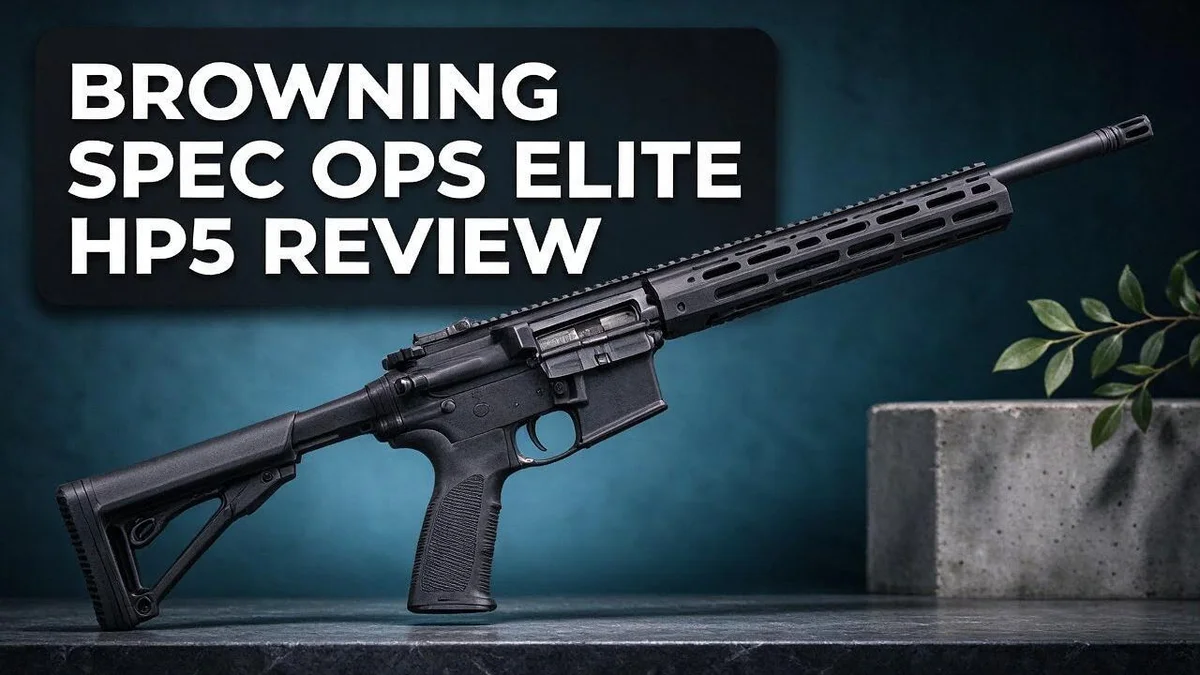
Browning Spec Ops Elite HP5 Review 2026: The Ultimate Guide
Missed shots frustrate every hunter and land owner. You set up a trail camera, and it misses the best buck of the season.
The Browning Spec Ops Elite HP5 aims to fix that problem. It records 1440p video with sound at 60 FPS, so you see every detail.
This camera uses RADIANT 5 invisible infrared to light up the night. The flash reaches up to 100 feet without spooking animals.
In a Nutshell
- Sharp pictures: The camera shoots 46MP photos. One listing says 24MP, so check the final spec before you buy.
- Smooth video: It records 1440p video at 60 FPS with sound. Reviewers call the footage clear and the audio good.
- Easy field checks: A 2 inch color screen lets you review shots on the spot. You skip the extra viewer and save time.
- Plenty of storage: It accepts SDXC cards up to 512GB. This is a non cellular camera, so you pull the card to see your images.
- Built to last: Owners describe it as durable and user friendly. Image quality stays consistent from shot to shot.
- Bottom line: The Browning Spec Ops Elite HP5 suits hunters who want fast, dependable results. Reviewers did not list clear drawbacks. One video compares it to the Dark Ops FHDR.
Image and Video Quality

Last update on 2026-11-19 / Affiliate links / Images from Amazon Product Advertising API Some of the links on this website are affiliate links, which means that at no additional cost to you, I earn a commission if you click through and make a purchase. I only recommend products and services that I believe will add value to my readers. Thank you for your support!
When you check trail photos, image quality matters most. The Browning Spec Ops Elite HP5 gives you clear views that help you judge antler size and body shape. Fine detail, like tines and posture, shows up well from a distance. Buyers often say the pictures stay consistent from day to day.
Night photos need a little extra care. The infrared flash works quietly, so animals rarely spook. Still, you should mount the camera at a slight angle to avoid glare from nearby branches. Good placement makes a big difference in the final shot.
Video quality adds another layer to your scouting. Sound helps you hear grunts or snorts that photos cannot show. Pair the clips with photo timestamps to track movement patterns over several weeks.
Your storage choice also affects image results. Pick a fast, high quality SDXC card that fits your camera. A larger card lets you keep long video sessions without running out of space in the field.
Source listings report different megapixel counts. Some show 46MP while others show 24MP. Check the box or the manual before you buy, so you know exactly what to expect.
Video reviewers often compare this model with the Dark Ops FHDR. Those side by side clips show how each camera handles light and motion. Watch a few of them to see which look fits your hunting style best.
Overall, image and video quality stay strong for most hunters. You get sharp stills, clear motion, and useful sound. Many hunters find this level of detail helpful during scouting trips. Set it up well, and your trail data will feel trustworthy.
Trigger Speed and Detection Performance
The Browning Spec Ops Elite HP5 lets you set trigger speed from 0.1 to 0.7 seconds. A shorter setting helps the camera react quickly when a deer walks through the frame.
Fast movement is where many cameras miss their chance. A buck that passes a trail at a quick pace may only appear partly in the frame. A quick trigger gives you a better chance to capture the full body and antlers.
Choosing the right setting takes a little thought. Use a short setting for busy spots near feeders or game trails. Use a slightly longer setting for slow scenes, like a wide clearing where animals stop to browse.
Detection depends on more than speed. Animals must enter the detection zone at the right angle. Mount the camera about waist high and aim it across the trail, not straight down it. This helps the sensor pick up heat and motion sooner.
Watch for false triggers. Wind moving tall grass or branches can set off the sensor. A very quick trigger may also record more empty frames. Clear brush from the front of the lens to cut down on wasted images.
Test before you leave. Walk across the area in front of the lens and check the results on the screen. If you do not appear in the photo, move the camera or change the trigger setting. A short test takes only a few minutes and saves weeks of guesswork.
Detection performance also changes with the seasons. Thick summer foliage can block the view, while bare winter trees offer clearer sight lines. Adjust the angle when the leaves fall or the grass grows tall so the camera keeps catching animals.
Night Vision and Invisible IR Range
Night shots often tell the best story. The RADIANT 5 illumination uses invisible infrared light, so the flash stays hidden. Animals usually keep walking because they do not see a bright burst.
Range matters a lot after dark. This camera reaches up to 100 feet in dim conditions. That distance covers most food plots, shooting lanes, and trail crossings. Place the camera so the subject stays within that zone.
Think about what the light can reach, not just how far it spreads. Brush, thick grass, and fallen logs can block the beam. Clear a small path in front of the lens when you set up. Your photos will show more detail.
Mounting height changes the result too. A camera set around waist height often captures a clean side view of passing game. Tilt it slightly downward so the infrared beam hits the ground where animals walk. This angle keeps faces and body shapes visible.
Night video works well with this setup. The camera records sound with each clip, which helps you hear movement in the dark. Pay attention to background noise, though. Rain or nearby water may cover soft sounds.
Heat and cold can affect performance. Battery power drops faster in freezing weather, so bring spare batteries on long trips. Check the screen after the first few nights to confirm the lighting looks right.
Scouting at night teaches you more about animal patterns. Compare photos taken at dusk, midnight, and dawn. You may notice that deer use a trail only after dark. That insight helps you plan your next visit.
Do a quick night test before the season starts. Walk through the detection zone after sunset and review the results. Adjust the angle or clear brush if the images look dim or cut off.
Top 3 Alternatives
Looking for other options? These three models offer similar features with different strengths. Each one suits a different style of play.
Umarex HK MP5


Last update on 2026-11-19 / Affiliate links / Images from Amazon Product Advertising API Some of the links on this website are affiliate links, which means that at no additional cost to you, I earn a commission if you click through and make a purchase. I only recommend products and services that I believe will add value to my readers. Thank you for your support!
The Umarex HK MP5 brings a classic look to the field. Its sturdy build feels solid in your hands. Many players like its smooth bolt action and balanced weight. The metal parts add a sense of durability.
Fans of the original design will feel at home. It works well for skirmish games and casual weekend play.
Tokyo Marui MP5K

Last update on 2026-11-19 / Affiliate links / Images from Amazon Product Advertising API Some of the links on this website are affiliate links, which means that at no additional cost to you, I earn a commission if you click through and make a purchase. I only recommend products and services that I believe will add value to my readers. Thank you for your support!
The Tokyo Marui MP5K is a compact option for tight spaces. Its short length makes quick movement easy. Shooters enjoy its light feel during fast rounds. Its lighter frame also reduces fatigue during long days.
It suits close quarters fights very well. Players who love speed will appreciate its quick handling.
Elite Force MP5

Last update on 2026-11-22 / Affiliate links / Images from Amazon Product Advertising API Some of the links on this website are affiliate links, which means that at no additional cost to you, I earn a commission if you click through and make a purchase. I only recommend products and services that I believe will add value to my readers. Thank you for your support!
The Elite Force MP5 suits new players who want an easy start. It delivers steady accuracy and simple upkeep. Beginners can learn the basics without stress. Replacement parts are easy to find when repairs are needed.
Its straightforward design keeps things simple. Many airsoft fans keep it as a dependable backup.
Each model offers a different mix of style, handling, and ease of use. Compare your play style before you choose. The right pick depends on where and how you play most often. Start with the features that matter most to you.
Build Quality and Weather Durability
The Browning Spec Ops Elite HP5 spends months outside, so its build must handle harsh weather. Think about the setup before you think about anything else.
A camera that stays sealed against rain, mud, and dust saves you trips and frustration. Check the case seals and latch before every season.
Moisture is the biggest threat to electronics. Open the housing only in dry conditions. Wipe away any droplets and let the unit dry fully before you close it.
The latch and lock points matter too. A tight closure keeps water out and discourages curious hands. Test the latch by hand after each service visit.
Mounting height and cover make a big difference. Pick a spot under a branch or inside a shallow cover. This shields the lens from direct rain and harsh sun.
Sun glare can wash out images on bright days. Face the lens away from the sun when you can. Wipe the lens often because dust and pollen dull the photos.
Batteries and cards need care too. Keep the battery compartment dry and store spare cards in a sealed bag. Small habits protect your gear in the field.
Clean seals keep the unit working longer. Rinse off mud with clean water and avoid harsh solvents. Dry the outside gently with a soft cloth before storing it.
Before opening day, run a simple weather test. Leave the camera running for a few days and review the results. Look for fogging, dim frames, or missed triggers.
A quick check after every storm tells you what needs attention. Good care now means fewer surprises when the season starts. Your camera will thank you for it.
Setup, Menu and Ease of Use
Getting started with the Browning Spec Ops Elite HP5 feels simple. Most hunters finish the first setup in one short session, even with little experience.
Begin by inserting a memory card before you power on the unit. The camera reads SDXC cards, so check the label before you head out.
Next, look at the menu on the two inch color screen. Clear labels and simple layouts help you move through options without squinting.
Owners often call the controls user friendly. Most settings sit in a logical order, so you rarely need to dig through the manual.
Set the date and time first. Accurate timestamps help you track animal movement across days and weeks.
Then choose your capture mode. Photo, video, or a mix of both depends on what you want to learn.
Give each camera a simple name tied to its spot, such as creek crossing or oak ridge. Clear names make notes easier to read later in the season.
Before you mount the unit, run a short test. Take a few photos and one brief video clip. Confirm that each file saves to the card.
Finally, save your settings and write them down. A printed copy in your pack helps when you reset the unit in the field.
Spend a few minutes learning the menu before the season starts. Practicing at home means fewer mistakes when the light fades and time runs short.
Keep the manual nearby for quick answers. A short reference page saves time when a setting feels unclear.
Hunters who practice early feel more confident in the field. Good preparation makes every trip smoother.
Storage, Power and Field Practicality
Storage is often the first thing you check on a trip. The Browning Spec Ops Elite HP5 supports SDXC cards up to 512GB. That large capacity lets you leave the camera in place for weeks without filling the card.
Higher resolution photos and 1440p video create larger files. Think about how much footage you want to keep. A large card gives you room for still shots and clips without deleting files in the field.
Power works differently for a camera with no cellular connection. Every photo, video, and night illumination event draws energy. Heavy use means faster drain, so plan a power check before each trip.
Night illumination uses extra energy after dark. Busy night corridors can drain power faster than quiet ones. Check the level before scouting season so you avoid surprises.
Field practicality comes down to how quickly you can service the camera. Plan visits so you swap cards and check power in one trip. Carry spare cards in a labeled case so swaps go quickly.
Reviewers describe the unit as durable and easy to use in the field. The trigger speed of 0.1 to 0.7 seconds helps capture fast movement. Many owners also praise the clear video and good audio.
Keep a simple log of card swaps and power checks. Over time, your notes show how long the setup lasts in your area. That record helps you plan future trips with confidence.
Good planning saves time and keeps your scouting on schedule. Start each visit with a full card, fresh power, and a clear plan. Your camera then works hard while you stay out of the way.
Pros and Cons
Pros
- A fast trigger helps you catch animals before they leave the frame.
- Image quality stays consistent from shot to shot.
- Video runs smooth and clear, with good audio.
- Owners give it a 4.4 out of 5 rating on Amazon.
- Invisible night lighting lets you monitor game without spooking animals.
Cons
- Reviewers in our research did not name any clear drawbacks.
- Sources disagree on photo resolution, so confirm the exact model before you buy.
- The night range stops at 100 ft, so wide openings may need extra cameras.
- Only one video compares it with a rival, so head-to-head data is limited.
Who Should Buy It
The Browning Spec Ops Elite HP5 suits hunters who scout land far from home. If you check cameras only on weekends, this model fits your routine well.
Remote hunters often lack cell service at their stands. This camera does not need cell service, so you can place it deep in the woods.
Landowners who track deer patterns on their own acres also benefit from the setup.
Wildlife watchers who want steady results over a long season also fit well. The camera holds up through many weeks in the field.
Anyone who needs instant photo alerts on a phone should look elsewhere. This model does not send images over a cell network.
In short, the HP5 fits people who check land regularly from a distance. It suits a steady routine more than a quick glance.
Who should think twice? Hunters who hunt close to home and check cameras daily may find other options. A cellular model could save time on those trips.
Farm owners who track pests or crop damage can use it too.
Parents who take kids on first hunts can review photos together at home.
Before you decide, picture your own routine. Ask how often you visit each spot and whether you need phone alerts.
If your answers match the points above, this camera is a strong fit. You get a dependable tool for steady scouting, and you avoid stress over missed visits.
Start with two or three units at key spots, then expand once you learn the routine.
Bottom line: Hunters and property watchers who value steady, simple scouting will likely be very pleased with the results.
Final Verdict
The Browning Spec Ops Elite HP5 earns a confident recommendation from us. It does the core job of a scouting camera very well. It records the action and then stays out of your way.
Our final take is simple. This camera rewards people who value dependable results over flashy extras. It keeps your attention on the game, not on the gadget.
The built in color screen deserves a mention. You can review a few frames right at the tree. That saves a second trip when your angle is off.
The adjustable settings also leave room to grow. You can start with basic choices and refine them later. Each season teaches you more about your property.
Setup matters as much as the camera itself. Mount it on a steady trunk, clear nearby branches, and aim it along a trail. A clean setup reduces false triggers and wasted frames.
We also like how the camera fits a patient scouting plan. You place it, walk away, and let the season build your picture. Patterns emerge when you give a camera time.
Think of it as a long term partner for your land. It asks for steady care and gives back clear information. That trade feels fair to us.
Our verdict: a strong pick for hunters and land managers who plan ahead. Set it up well, check it on schedule, and let the footage guide your next move.
Add it to your lineup this season, and you will likely wonder why you waited.
Frequently Asked Questions
What memory card should I pick?
Choose a large card that matches how long you plan to leave the camera out. More storage means fewer trips to swap cards, so your scouting stays on schedule. Pick a card with enough room for a full season so the camera never stops recording mid month.
Can it record video as well as photos?
Yes, it records video with sound too. Short clips show how animals move through a gap, which single photos can miss. Video also helps you spot patterns, like which trail gets used at dusk.
Where should I mount the camera?
Mount it at about chest height and aim it along a trail, feeder, or field edge. Keep the sun out of the lens to reduce glare in daytime shots. Test the angle at home by reviewing a few images on the screen before you leave the area.
How often should I check the camera?
Check it on a steady schedule, such as every week or two. Regular visits keep your memory card clear and your batteries ready for the next shift. Note each visit in a simple log so you can track activity over time.
Is it a good pick for a beginner?
Yes, it suits new users who want a simple setup. Reviewers describe it as user friendly, so you can learn the menus without a long guide. Practice a few test shots at home before you head out, and you will feel more confident in the field.

Hello, I’m Emily Price, the founder of Birds Affection. As a passionate bird enthusiast and spiritual seeker, I’ve always been fascinated by the symbolic meanings and mystical connections between birds and our lives. On this website, I share my knowledge and insights on the spiritual significance of various bird species, exploring their roles as messengers, guides, and teachers. Through my writing, I aim to inspire and educate others on the profound wisdom and beauty that birds bring to our world. Join me on this journey as we delve into the enchanting realm of bird symbolism and discover the hidden meanings behind these magnificent creatures.